⚡ عاجل: كريستيانو رونالدو يُتوّج كأفضل لاعب كرة قدم في العالم●⚡ أخبار عاجلة تتابعونها لحظة بلحظة على خبر●⚡ تابعوا آخر المستجدات والأحداث من حول العالم●
AI اقتراحات ذكية
AI مباشر|--مشاهد مباشر
891,364مقال401مصدر نشط228قناة مباشرة4,634خبر اليوم
آخر تحديث:منذ 3 ثواني
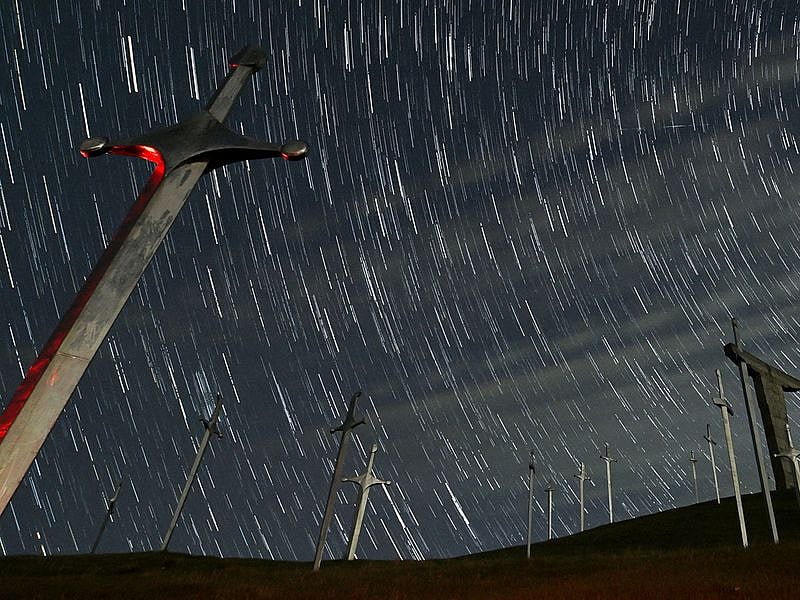
Lyrid meteor shower 2026: How stargazers in UAE can catch April’s shooting stars
That's when the Lyrid meteor shower, the springtime celestial event, turns up.
They can be seen from skies above the UAE, though visibility depends heavily on atmospheric conditions.
Each year in mid-April, Earth passes through the trail of dust and debris left behind by Comet C/1861 G1 (Thatcher).
Peak Lyrid showers
As these tiny particles enter Earth’s atmosphere at high speed, they burn up and produce brief streaks of light — the “shooting stars” that make up a meteor shower, according to Nasa.
To catch the celestial treat, it's best to the East as the Lyrid meteor shower hits its peak.
Tonight, look to the East for a chance to catch a celestial treat: The Lyrid meteor shower is in its peak! Find out how to spot these “shooting stars” here: https://t.co/IVnQtNbUjXpic.twitter.com/7v3d4LGt06
— NASA's Johnson Space Center (@NASA_Johnson) April 22, 2026
When to catch the Lyrids
In 2026, the Lyrids were active roughly from April 16 to April 25, with peak activity around Wednesday to Thursday (April 22–23, 2026).
Under optimal dark skies, observers in the Northern Hemisphere could see roughly 15–20 meteors per hour around the peak.
Occasionally, there may be more if Earth passes through a denser part of the "debris stream".
Tips for stargazers
Locally, enthusiasts have shared that sightings may be clearer in the early morning after midnight when light pollution, haze and moonlight are lowest (though conditions can vary by year).
For viewers in and around UAE, finding a location well away from the city’s bright lights and haze is important.
Light pollution in urban areas makes it harder to spot fainter meteors, so observers often head to quieter desert locations late at night
Alternatibely, you may spot the Lyrids in the early pre-dawn hours when the shower’s radiant — a point in the constellation Lyra near the bright star Vega — is high in the sky.
No telescope or binoculars are necessary; meteors can appear anywhere across the sky.
Letting your eyes adapt to the dark for about 20–30 minutes increases your chance of seeing more meteors.
ملاحظة تحريرية | Editorial Note:
نُشر هذا المقال في الأصل بواسطة Gulf News.
خبر (Khabr) هي منصة إعلامية أردنية مرخّصة تعمل بالذكاء الاصطناعي.
نضيف قيمة تحريرية من خلال: تحليل ذكي للأخبار، ملخصات تلقائية، رواية صوتية بالذكاء الاصطناعي، ترجمة متعددة اللغات، وتدقيق الحقائق.
هدفنا جعل الأخبار أكثر وضوحاً وسهولةً للقارئ العربي.
This article was originally published by Gulf News.
Khabr is a licensed Jordanian AI-powered news platform (Registration #82086).
We add editorial value through: AI-powered news analysis, automated summaries, AI audio narration, multi-language translation (Arabic, English, French, Turkish), and AI fact-checking.
Our mission is to make news more accessible and understandable for Arabic-speaking audiences worldwide.
هذا الخبر ضمن تغطية خبر لقسم علوم.
نقدّم لك تحليلات ذكية وملخصات يومية لأهم الأخبار من مصادر موثوقة متعددة.
المصدر: Gulf News.
يوجد 6 مقالات مرتبطة بهذا الموضوع.
This article is part of Khabr's coverage of Science.
We provide AI-powered analysis, summaries, and multi-source aggregation to keep you informed.
Source: Gulf News.
Tags: meteor shower, stargazing, UAE.
🍪 نستخدم ملفات تعريف الارتباط لتحسين تجربتك وعرض الإعلانات المخصصة. باستخدامك للموقع، فإنك توافق على سياسة ملفات تعريف الارتباط وسياسة الخصوصية.
We use cookies to enhance your experience and show personalized ads. By using this site, you agree to our Cookie Policy and Privacy Policy.
🔍
FREEFree 1GB Internet + Free International Calls
$1 trial — eSIM in 190+ countries — No roaming charges