Kenya's car market evolves despite high import taxes
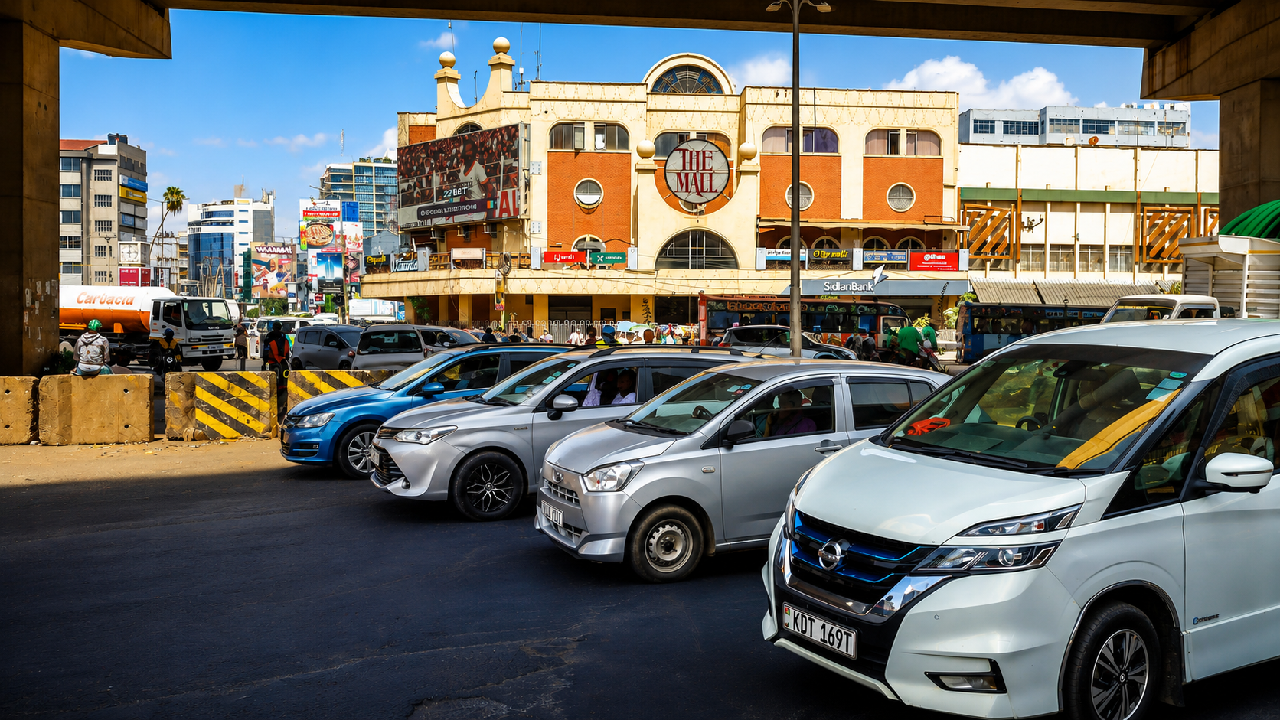
•For decades, owning a car in Kenya often meant saving for months or even years to afford a second-hand imported vehicle, mainly from Japan.That trend is rapidly changing as fintech innovations and new...
•Most of the banks offer asset financing solutions, which they give financing solutions of up to 95%, sometimes even up to a 100% financing," Macharia says.Despite improved access to financing, the use...
•According to Felix Magiri, a car dealer, high shipping costs and import taxes continue to drive up the cost of bringing vehicles into the country."If we could have probably a more realistic approach f...
هذا الخبر من CGTN EN. خبر يقدم أدوات ذكاء اصطناعي للتلخيص والترجمة والاستماع.
المصدر: CGTN EN | Source: CGTN ENFor decades, owning a car in Kenya often meant saving for months or even years to afford a second-hand imported vehicle, mainly from Japan.
That trend is rapidly changing as fintech innovations and new financing models make vehicle ownership more accessible.
Digital microloans and flexible asset financing are replacing years of saving, allowing more Kenyans to purchase cars through credit and installment plans.
Sales Executive at Crater Motors, Hosea Macharia, says partnerships between car dealers and financial institutions have significantly eased access to vehicle financing.
"We have been working together in partnership with banks like NCBA, Stanbic Bank, Cooperative Bank, and they help to bridge the gap between the dealer and the customer. Most of the banks offer asset financing solutions, which they give financing solutions of up to 95%, sometimes even up to a 100% financing," Macharia says.
Despite improved access to financing, the used car industry continues to face major challenges.
The Kenya Bureau of Standards (KEBS) enforces an eight-year age limit on imported used vehicles. According to Felix Magiri, a car dealer, high shipping costs and import taxes continue to drive up the cost of bringing vehicles into the country.
"If we could have probably a more realistic approach from the government and also from the KRA when it comes to the taxes and all this, I think we would really appreciate it."
The core friction lies in how those imports are taxed. The government of Kenya doesn't tax cars based on what the buyer paid abroad; instead, the Kenya Revenue Authority uses a benchmark called the Current Retail Selling Price—essentially what the car costs when brand new in Kenya.
Even with massive taxes, dealers say a seven-year-old imported car remains substantially cheaper than a zero-mileage alternative.
For the Kenyan consumer, the used car is not just about a vehicle; it's an essential bridge to economic mobility that high tariffs simply cannot stop.
ملاحظة تحريرية | Editorial Note: نُشر هذا المقال في الأصل بواسطة CGTN EN. خبر (Khabr) هي منصة إعلامية أردنية مرخّصة تعمل بالذكاء الاصطناعي. نضيف قيمة تحريرية من خلال: تحليل ذكي للأخبار، ملخصات تلقائية، رواية صوتية بالذكاء الاصطناعي، ترجمة متعددة اللغات، وتدقيق الحقائق. هدفنا جعل الأخبار أكثر وضوحاً وسهولةً للقارئ العربي.
This article was originally published by CGTN EN. Khabr is a licensed Jordanian AI-powered news platform (Registration #82086). We add editorial value through: AI-powered news analysis, automated summaries, AI audio narration, multi-language translation (Arabic, English, French, Turkish), and AI fact-checking. Our mission is to make news more accessible and understandable for Arabic-speaking audiences worldwide.