Kenya cancer cluster sparks ‘environmental genocide’ claims over oil waste
•play Live Sign upShow navigation menu.css-15ru6p1{font-size:inherit;font-weight:normal;}Navigation menuNewsShow more news sectionsAfricaAsiaUS & CanadaLatin AmericaEuropeAsia PacificMiddle EastExplain...
•Residents and local health workers say cancer cases and deaths have risen steadily, with more than 500 people reported dead from cancers affecting the digestive system, particularly the oesophagus and...
•Many were from villages where access to medical care remains limited.
هذا الخبر من Al Jazeera EN. خبر يقدم أدوات ذكاء اصطناعي للتلخيص والترجمة والاستماع.
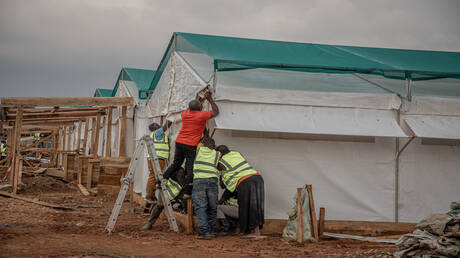
play Live Sign upShow navigation menu.css-15ru6p1{font-size:inherit;font-weight:normal;}Navigation menuNewsShow more news sectionsAfricaAsiaUS & CanadaLatin AmericaEuropeAsia PacificMiddle EastExplainedOpinionSportVideoMoreShow more sectionsFeaturesEconomyHuman RightsClimate CrisisInvestigationsInteractivesIn PicturesScience & TechnologyPodcastsTravelplay Live Click here to searchsearchSign upNavigation menucaret-leftTrendingUS-Israel war on IranTracking Israel's ceasefire violationsDonald TrumpRussia-Ukraine warcaret-rightFeatures|Al JazeeraKenya cancer cluster sparks ‘environmental genocide’ claims over oil wasteKargi residents believe rising cancer cases are linked to toxic waste left behind during oil exploration in the 1980s xwhatsapp-strokecopylinkgoogleAdd Al Jazeera on GoogleinfoToggle PlayKenyan villagers sue BP over pollution from 1980s oil exploration A group of 298 petitioners from remote villages of Marsabit County in northern Kenya is suing BP and the Kenyan government over oil exploration waste from the 1980s that it says is causing a cancer cluster that has killed hundreds. Residents and local health workers say cancer cases and deaths have risen steadily, with more than 500 people reported dead from cancers affecting the digestive system, particularly the oesophagus and stomach. Many were from villages where access to medical care remains limited. They believe rising cancer cases are linked to toxic waste left behind during oil exploration in the 1980s. Six years ago, doctors diagnosed Maisan Chamuset, 74, with throat cancer and told him he might never speak normally again. Today, Chamuset communicates through a small pipe inserted in his throat, and his voice comes out strained and mechanical, a reminder of the effect the disease had on his life. Chamuset’s experience reflects a growing trend in the desert settlement of Kargi, where death tolls are on the rise, including his wife, who died of stomach cancer in 2018. “Everyone here has similar problems,” Chamuset says. “Many people have died — women, men, young people. Those responsible should be held to account.” For years, some of the suffering families perceived the deaths as divine punishment. Suspicion eventually shifted to something more terrestrial, to what had happened in the desert decades earlier. Between 1986 and 1989, the US oil company Amoco, later acquired by BP, drilled exploration wells around the Chalbi Desert in search of oil. Foreign crews worked the area, found no viable deposits, and left. Residents say the company left more behind than empty wells. At former drilling sites, remnants are still visible: a rusting pipe marked “Amoco Kenya” and patches of a white, powdery substance scattered across the ground. Some residents recall mistaking the material for salt and using it to season food. Worowa Bayo, who worked at one of the sites, recalls seeing how waste was handled. “Workers dug large pits and dumped everything there – even leftover food,” he says. “This often happened at night. By morning, there was a strong, unpleasant smell, and the area would be covered over.” He also remembers an incident in 2002, when thousands of livestock died after drinking from a borehole. Authorities sealed off the area and took samples. Residents say they were never told what those samples revealed. Independent tests carried out since have pointed to possible contamination of local water sources, including the presence of heavy metals. Scientists have not yet established a definitive causal link between the contamination and the cancers, in part because long-term research has been thin. The medical record speaks more plainly. By the early 2000s, local leaders and health workers were already raising the alarm about unusually high cancer rates. Records from Kargi’s only health facility between 2006 and 2009 show multiple cancer-related deaths, many involving the throat. That health centre, which once served an estimated 6,000 people, is currently not operational. For Chamuset, treatment costs about $600 every six months. It’s an amount he struggles to raise. Assunta Galgitele, a nurse who began treating cancer patients at the clinic in the mid-2000s, has seen many of them die. “We want to understand what is causing this illness,” she says. “Why has there been so little response? And we want those responsible to explain what happened here.” Galgitele is now part of the legal fightback. At the Environment and Land Court in Isiolo, 298 petitioners have sued BP and the Kenyan government, accusing both of failing to prevent or address environmental harm. They are seeking a full environmental assessment, access to safe water, and compensation for affected families and livestock losses. “This is environmental genocide,” says Kelvin Kubai, the lawyer representing them. “Looking at the number of people we have lost, this case has been silenced for years. There should be urgent measures.” BP declined Al Jazeera’s request for an interview and has not publicly responded to the allegations, though its legal team has appeared in court. Margaret Super, a human rights defender, says the community has spent years trying to bring attention to what is happening in Kargi. “This is the first time we feel we are being heard in a meaningful way,” she says. The case may take years. In Kargi, new cases keep emerging, and Chamuset still speaks through his pipe. Advertisement AboutAboutShow moreAbout UsCode of EthicsTerms and ConditionsEU/EEA Regulatory NoticePrivacy PolicyCookie PolicyCookie PreferencesAccessibility StatementSitemapWork for usConnectConnectShow moreContact UsUser Accounts HelpAdvertise with usStay ConnectedNewslettersChannel FinderTV SchedulePodcastsSubmit a TipPaid Partner ContentOur ChannelsOur ChannelsShow moreAl Jazeera ArabicAl Jazeera EnglishAl Jazeera Investigative UnitAl Jazeera MubasherAl Jazeera DocumentaryAl Jazeera BalkansAJ+Our NetworkOur NetworkShow moreAl Jazeera Centre for StudiesAl Jazeera Media InstituteLearn ArabicAl Jazeera Centre for Public Liberties & Human RightsAl Jazeera ForumAl Jazeera Hotel PartnersFollow Al Jazeera English:المصدر: Al Jazeera EN | Source: Al Jazeera EN
ملاحظة تحريرية | Editorial Note: نُشر هذا المقال في الأصل بواسطة Al Jazeera EN. خبر (Khabr) هي منصة إعلامية أردنية مرخّصة تعمل بالذكاء الاصطناعي. نضيف قيمة تحريرية من خلال: تحليل ذكي للأخبار، ملخصات تلقائية، رواية صوتية بالذكاء الاصطناعي، ترجمة متعددة اللغات، وتدقيق الحقائق. هدفنا جعل الأخبار أكثر وضوحاً وسهولةً للقارئ العربي.
This article was originally published by Al Jazeera EN. Khabr is a licensed Jordanian AI-powered news platform (Registration #82086). We add editorial value through: AI-powered news analysis, automated summaries, AI audio narration, multi-language translation (Arabic, English, French, Turkish), and AI fact-checking. Our mission is to make news more accessible and understandable for Arabic-speaking audiences worldwide.