‘Journalists compelled to self-censor to avoid legal trouble’
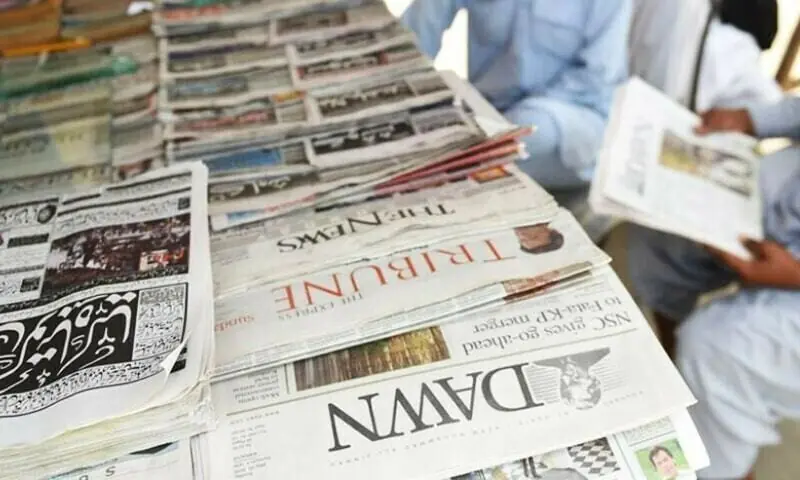
المصدر: Dawn | Source: DawnISLAMABAD: The weaponisation of the country’s cybercrime laws is one of the most serious threats to media freedom in Pakistan, press freedom watchdog Freedom Network said.
In its report, Regulatory Repression of Freedom of Expression — Legal Controls and Peca Undermine Media and Journalism in Pakistan, the watchdog said that amendments to the Prevention of Electronic Crimes Act (Peca) 2016 had created a climate of fear, where journalists are compelled to self-censor to avoid legal repercussions.
The report was released to mark World Press Freedom Day, observed globally on May 3.
The report highlighted high-profile convictions of human rights lawyers, including Imaan Mazari and Hadi Ali Chattha, as examples of how custodial sentences were used to deter dissent.
Freedom Network report says custodial sentences being used to deter dissent
In addition, dozens of journalists have faced charges under expanded provisions of Peca, while defamation suits, regulatory suspensions and internet shutdowns further constrained independent journalism.
The report also notes that state-led efforts to counter disinformation and hate-speech are often accompanied by increased surveillance and selective enforcement. Regulatory bodies monitoring online content, coupled with vague definitions of “fabricated news,” blur the line between misinformation and legitimate dissent.
In terms of journalist safety, the report documented at least 129 verified incidents of violations during the review period, which ranged between April-2025 and March-2026. Legal threats and physical violence accounted for nearly two-thirds of these cases.
Among these violations include two murders, five cases of threats to murder, 58 legal cases (mostly Peca-invoked), 16 cases of assault, 11 cases of threats to harm and two cases of kidnapping and enforced disappearance.
Punjab and Khyber Pakhtunkhwa emerged as the most dangerous regions for journalists, while murders in Sindh and Balochistan underscored the persistent risks.
Published in Dawn, May 1st, 2026
ملاحظة تحريرية | Editorial Note: نُشر هذا المقال في الأصل بواسطة Dawn. خبر (Khabr) هي منصة إعلامية أردنية مرخّصة تعمل بالذكاء الاصطناعي. نضيف قيمة تحريرية من خلال: تحليل ذكي للأخبار، ملخصات تلقائية، رواية صوتية بالذكاء الاصطناعي، ترجمة متعددة اللغات، وتدقيق الحقائق. هدفنا جعل الأخبار أكثر وضوحاً وسهولةً للقارئ العربي.
This article was originally published by Dawn. Khabr is a licensed Jordanian AI-powered news platform (Registration #82086). We add editorial value through: AI-powered news analysis, automated summaries, AI audio narration, multi-language translation (Arabic, English, French, Turkish), and AI fact-checking. Our mission is to make news more accessible and understandable for Arabic-speaking audiences worldwide.