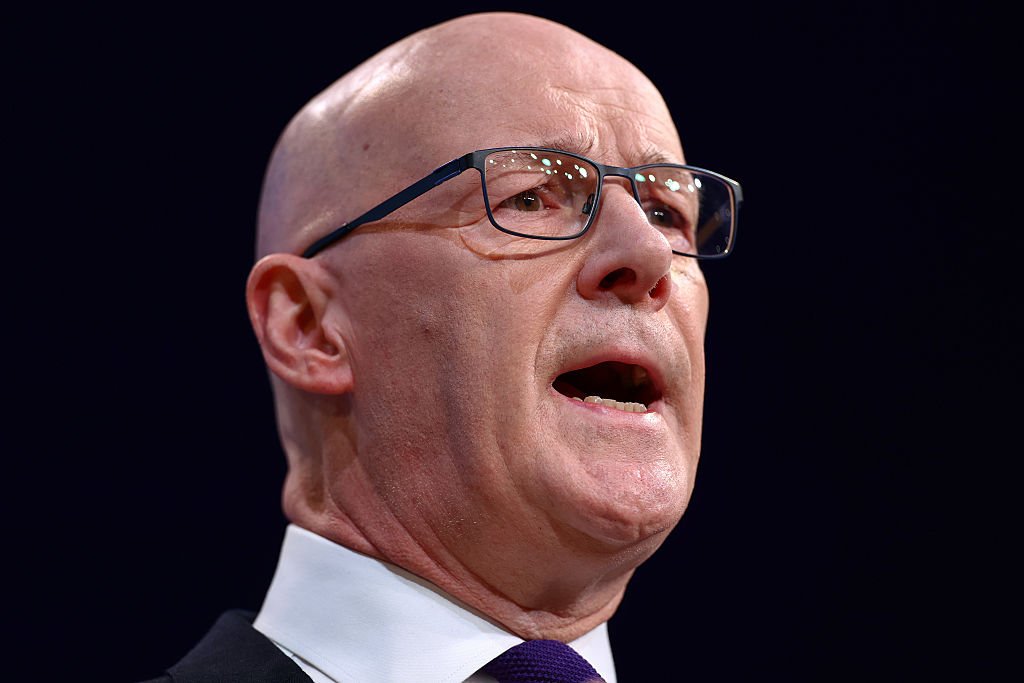
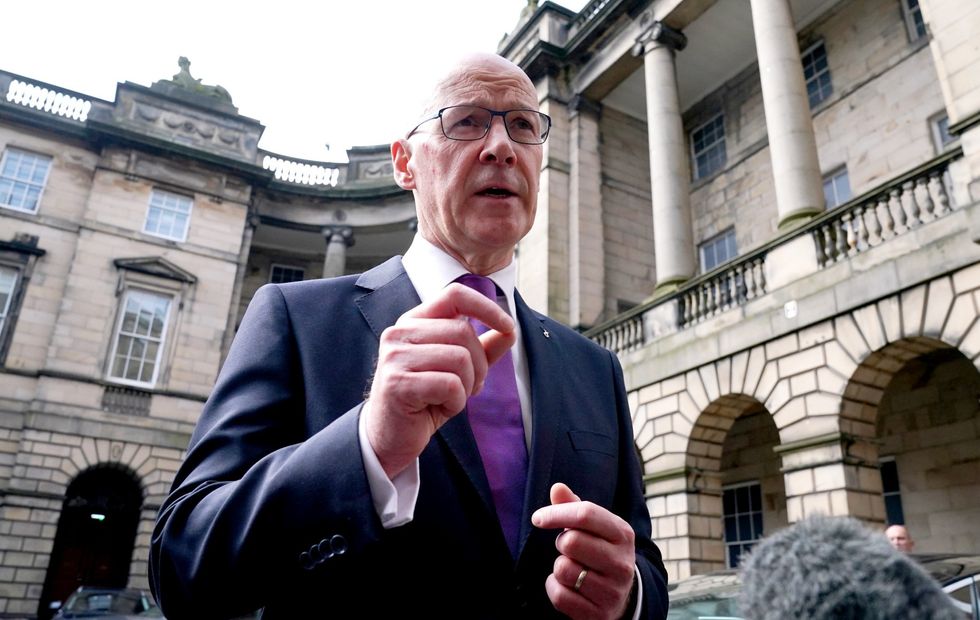
Scotland's First Minister has ramped up his calls for Holyrood to be given control over energy, insisting it is the only way to end the current “Westminster rip-off”.
John Swinney said transferring over these powers would allow his administration to end the “hated” windfall tax on offshore oil and gas.
Speaking in Aberdeen, ahead of a key by-election in the city, Mr Swinney said it would permit “sensible licensing decisions” to be taken on new energy projects and could cut bills for people north of the Border.
But Scottish Conservative leader Russell Findlay accused Mr Swinney of “desperate and dishonest nonsense”, adding: “This is classic SNP grievance politics.”
Previously, Mr Swinney’s party opposed new North Sea licences.
In 2023 the Scottish government set out a presumption against licensing new offshore fossil fuel developments.
The Scottish National Party initially supported a windfall tax, which was introduced by the Tories.
Party officials later opposed extending it and then called for it to be scrapped.
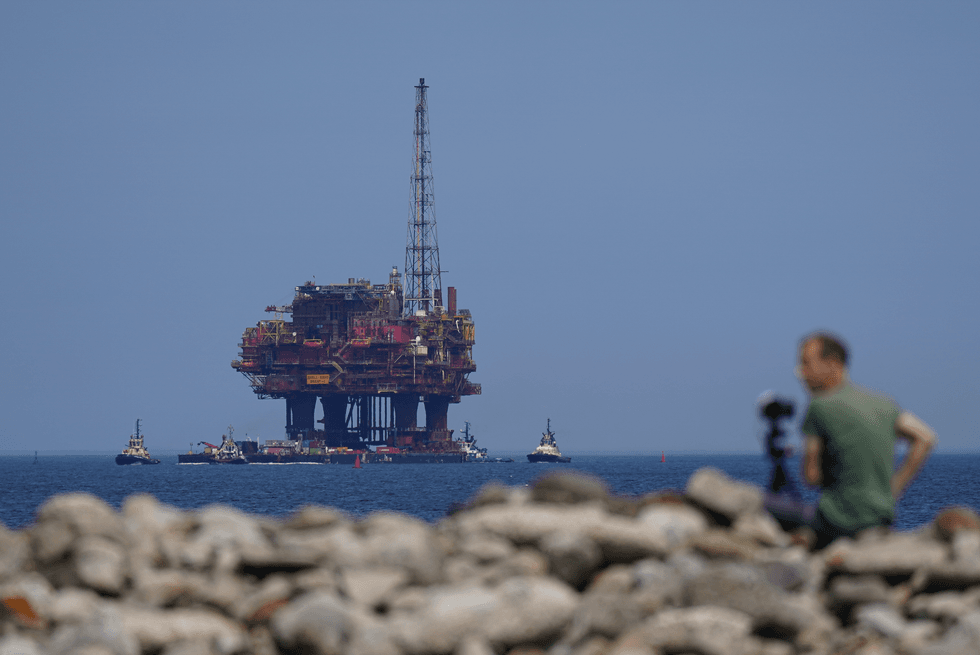
The SNP also previously opposed drilling at Rosebank, Britain’s largest untapped oil field.
When Humza Yousaf was leader of Scotland, he accused supporters of the project of being in “climate denial”.
In 2023, Nicola Sturgeon agreed with Green MP Caroline Lucas the approval of Rosebank was the “greatest act of environmental vandalism in my lifetime”.
Drillling at Rosebank has been suspended after a legal challenge on climate grounds.
LATEST DEVELOPMENTS
- Electric car owners to pay £50 more this summer as Ofgem launches new energy price cap
- Britain faces more than a DECADE of high energy bills: 'Not sustainable!'
- Martin Lewis issues urgent energy bill guidance for households ahead of £211 hikes
Last year, under Mr Swinney, the SNP softened its stance and said it was neutral on the matter.
Energy is already a key issue ahead of the June 18 by-election in Aberdeen South, with Conservative leader Kemi Badenoch urging voters in the constituency to make it a referendum on the future of Scotland’s oil and gas sector.
The vote on the parliamentary vacancy is taking place after former SNP Westminster leader Stephen Flynn won a seat at Holyrood earlier this month.
Mr Swinney’s visit to Aberdeen comes after the regulator Ofgem announced the energy price cap is to rise in July, and after MSPs backed a call for power over the sector to be transferred to Scotland.
The First Minister said: “Westminster’s energy rip-off of our country was in full view this week – Westminster controls Scotland’s energy, the UK Treasury rakes in billions from our seabed, and Scots are left paying the price with higher energy bills.
“£400billion has been syphoned off from our North Sea, and the only way to break that rigged energy equation is by putting Scotland’s energy into Scotland’s hands.
“Time and time again, Westminster parties come to the northeast not to talk about how they can support the industry but how they can milk every last penny from Scotland while sending back nothing in return.
“Instead of Scotland’s energy working for Westminster, it’s time that our energy worked for our people.
“By putting Scotland’s energy in Scotland’s hands, we can end the hated tax on our energy; we can take sensible licensing decisions based on Scotland’s needs, but most importantly, we can lower bills for people living in our energy-rich land.”
He vowed the SNP will “never stand by as Westminster casts workers in Aberdeen on the scrapheap”, with Mr Swinney saying the SNP could “protect the world-class oil and gas sector we have today and build another world-class renewables industry right by its side”.
Scottish Tory leader Mr Findlay said: "John Swinney is fooling no one with his desperate and dishonest nonsense: this is classic SNP grievance politics.
"Voters know that the SNP, just like Labour, oppose new drilling in the North Sea... The SNP demanded a windfall tax; Labour have extended it, while we would scrap it."
Our Standards: The GB News Editorial Charter