Japan is rearming, the question is why
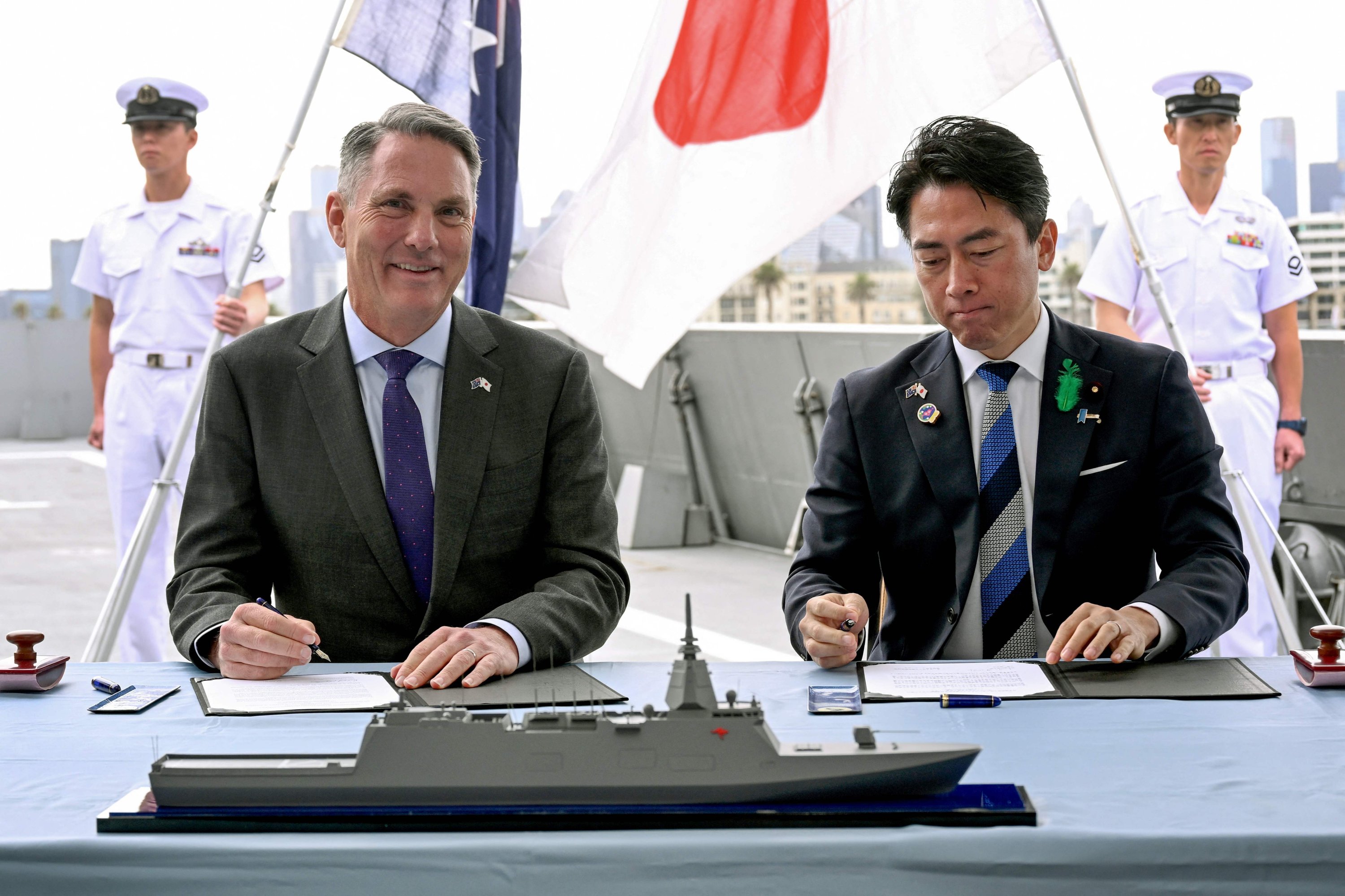
Japan's decision to ease its weapons export rules has been framed by some as a betrayal of its postwar identity. That's understandable, given how central pacifism has been to modern Japan's self-image. But it's a framing that probably misses the point. What's actually happening feels less like an ideological U-turn and more like a country quietly running the numbers and deciding the old rules no longer add up. For over seven decades, Tokyo held to some of the strictest arms export policies in the world, a deliberate and consciously maintained restraint born from the wreckage of World War II. That wasn't just legal architecture, it was identity. And for a long time, it worked. Japan rebuilt, prospered and projected soft power in ways that felt genuinely distinct from the old militarist model. The restraint was real and it meant something.المصدر: Daily Sabah EN | Source: Daily Sabah EN
ملاحظة تحريرية | Editorial Note: نُشر هذا المقال في الأصل بواسطة Daily Sabah EN. خبر (Khabr) هي منصة إعلامية أردنية مرخّصة تعمل بالذكاء الاصطناعي. نضيف قيمة تحريرية من خلال: تحليل ذكي للأخبار، ملخصات تلقائية، رواية صوتية بالذكاء الاصطناعي، ترجمة متعددة اللغات، وتدقيق الحقائق. هدفنا جعل الأخبار أكثر وضوحاً وسهولةً للقارئ العربي.
This article was originally published by Daily Sabah EN. Khabr is a licensed Jordanian AI-powered news platform (Registration #82086). We add editorial value through: AI-powered news analysis, automated summaries, AI audio narration, multi-language translation (Arabic, English, French, Turkish), and AI fact-checking. Our mission is to make news more accessible and understandable for Arabic-speaking audiences worldwide.