Israeli attacks kill several in Lebanon, with health workers targeted
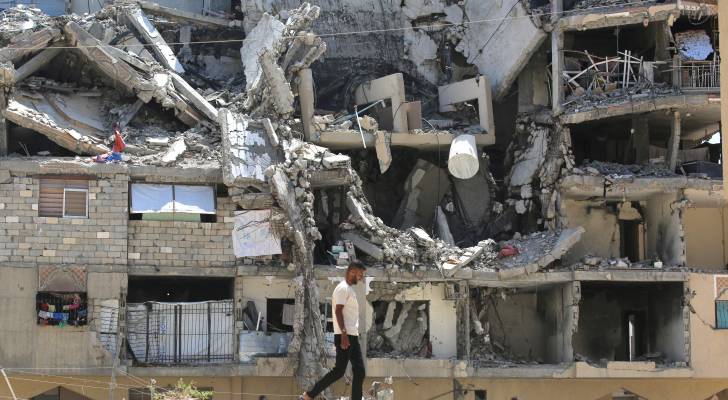
play Live Sign upShow navigation menu.css-15ru6p1{font-size:inherit;font-weight:normal;}Navigation menuNewsShow more news sectionsAfricaAsiaUS & CanadaLatin AmericaEuropeAsia PacificMiddle EastExplainedOpinionSportVideoMoreShow more sectionsFeaturesEconomyHuman RightsClimate CrisisInvestigationsInteractivesIn PicturesScience & TechnologyPodcastsTravelplay Live Click here to searchsearchSign upNavigation menucaret-leftIsrael attacks LebanonWho was Haytham Ali Tabatabai?Why is Israel still in southern Lebanon?Has Hezbollah been weakened?Voices from southern LebanonA war to shape Lebanon’s futurecaret-rightNews|Israel attacks LebanonIsraeli attacks kill several in Lebanon, with health workers targetedMore than 400 people have been killed since the ceasefire came into effect in mid-April. xwhatsapp-strokecopylinkgoogleAdd Al Jazeera on GoogleinfoSmoke rises from the site of an Israeli attack on the southern Lebanese village of Kfar Tibnit [AFP]By Al Jazeera Staff and AFPPublished On 22 May 202622 May 2026Israeli attacks have killed at least 11 people in southern Lebanon, including several healthcare workers. The attacks occurred on Friday in the Tyre district. They are the latest in a long line, questioning the durability of the shaky United States-mediated ceasefire between Israel and Lebanon. More than 400 people have been killed by Israeli fire since the deal came into force in mid-April. Israel insists it will continue to target the Hezbollah armed group, which opposed the Lebanese government’s agreement on the ceasefire. Six people were confirmed dead in the municipality of Deir Qanoun en-Nahr in an Israeli attack, including two paramedics and a child. In a separate attack, about 12km (7 miles) away in the town of Hannaouiyah, four paramedics were killed. An attack in the southern city of Nabatieh killed another man. Israel also carried out several other air raids in southern Lebanon on Friday, according to the state-run National News Agency. The targets included four villages in the Tyre district. The Israeli military has repeatedly attacked health facilities and medical teams in Lebanon, accusing Hezbollah of using them to conceal weapons and fighters. The Lebanese government rejects that claim. It reports that since the latest escalation between Israel and Hezbollah in early March, 116 healthcare workers have been killed, 16 hospitals have been damaged, and 147 ambulances have been attacked. Health Minister Rakan Nassereddine recently condemned the “systematic targeted destruction of the health sector”. Israel returned to war with Iran-backed Hezbollah as the Lebanese-based armed group declared its support for Tehran at the beginning of March. Israeli attacks since have killed at least 2,896 people in Lebanon, injured more than 8,824, and displaced more than 1.6 million – about one-fifth of the country’s population. A ceasefire brokered by the United States came into effect in mid-April, with the negotiations marking the first direct diplomatic talks between Lebanon and Israel in more than three decades. Last week, the ceasefire was extended by 45 days, but the violence has continued, and Hezbollah has continued to trade attacks with Israel. In August, the Lebanese government pledged to disarm Hezbollah, but the task has proven extremely difficult. The group retains significant influence in Lebanon and commands an armed wing that is stronger than the official state army. On Thursday, the US imposed sanctions on nine individuals with links to the group, including Iran’s ambassador to Lebanon. The US Treasury’s Office of Foreign Assets Control said the remaining individuals worked in Lebanon’s parliament, military, and security sectors. Lebanon’s military insisted on Friday that all of its soldiers are loyal, rejecting the sanctions that included, for the first time, an army officer accused of sharing information with Hezbollah. Advertisement AboutAboutShow moreAbout UsCode of EthicsTerms and ConditionsEU/EEA Regulatory NoticePrivacy PolicyCookie PolicyCookie PreferencesAccessibility StatementSitemapWork for usConnectConnectShow moreContact UsUser Accounts HelpAdvertise with usStay ConnectedNewslettersChannel FinderTV SchedulePodcastsSubmit a TipPaid Partner ContentOur ChannelsOur ChannelsShow moreAl Jazeera ArabicAl Jazeera EnglishAl Jazeera Investigative UnitAl Jazeera MubasherAl Jazeera DocumentaryAl Jazeera BalkansAJ+Our NetworkOur NetworkShow moreAl Jazeera Centre for StudiesAl Jazeera Media InstituteLearn ArabicAl Jazeera Centre for Public Liberties & Human RightsAl Jazeera ForumAl Jazeera Hotel PartnersFollow Al Jazeera English:المصدر: Al Jazeera EN | Source: Al Jazeera EN
ملاحظة تحريرية | Editorial Note: نُشر هذا المقال في الأصل بواسطة Al Jazeera EN. خبر (Khabr) هي منصة إعلامية أردنية مرخّصة تعمل بالذكاء الاصطناعي. نضيف قيمة تحريرية من خلال: تحليل ذكي للأخبار، ملخصات تلقائية، رواية صوتية بالذكاء الاصطناعي، ترجمة متعددة اللغات، وتدقيق الحقائق. هدفنا جعل الأخبار أكثر وضوحاً وسهولةً للقارئ العربي.
This article was originally published by Al Jazeera EN. Khabr is a licensed Jordanian AI-powered news platform (Registration #82086). We add editorial value through: AI-powered news analysis, automated summaries, AI audio narration, multi-language translation (Arabic, English, French, Turkish), and AI fact-checking. Our mission is to make news more accessible and understandable for Arabic-speaking audiences worldwide.