⚡ عاجل: كريستيانو رونالدو يُتوّج كأفضل لاعب كرة قدم في العالم●⚡ أخبار عاجلة تتابعونها لحظة بلحظة على خبر●⚡ تابعوا آخر المستجدات والأحداث من حول العالم●
AI اقتراحات ذكية
AI مباشر|--مشاهد مباشر
927,423مقال401مصدر نشط228قناة مباشرة4,624خبر اليوم
آخر تحديث:منذ ثانية
Is your air conditioner making you sick? What doctors say during UAE summers and how to maintain your system
•aLike most good things in life, air conditioning comes with a point of overcommitment.After traipsing through punishing heat outdoors, few things feel as instantly comforting as stepping into a cool r...
•The first gust of cold air feels poetic.
•And then, after a prolonged period of time, the headaches begin, along with the dry throat.
هذا الخبر من Gulf News. خبر يقدم أدوات ذكاء اصطناعي للتلخيص والترجمة والاستماع.
aLike most good things in life, air conditioning comes with a point of overcommitment.
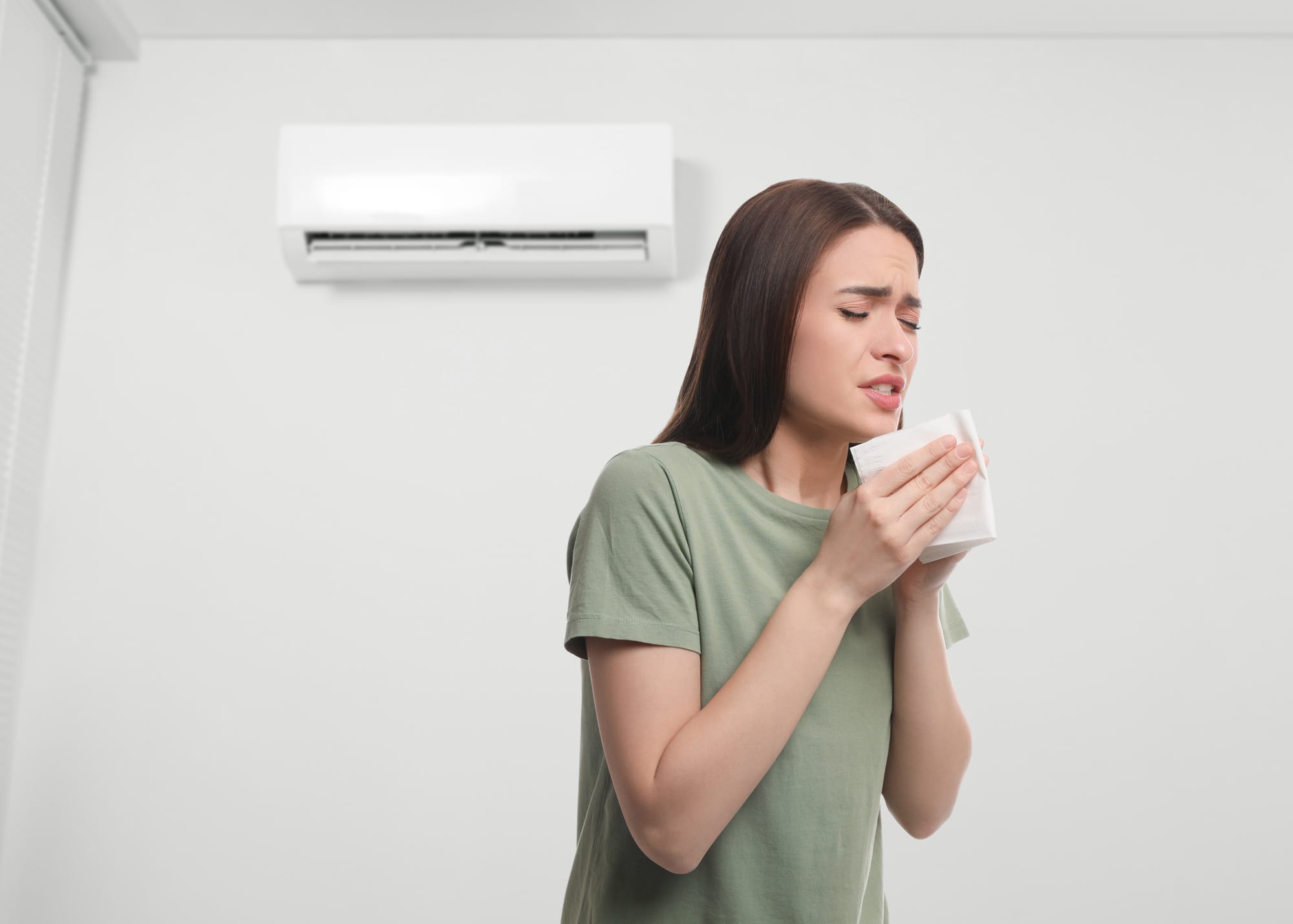
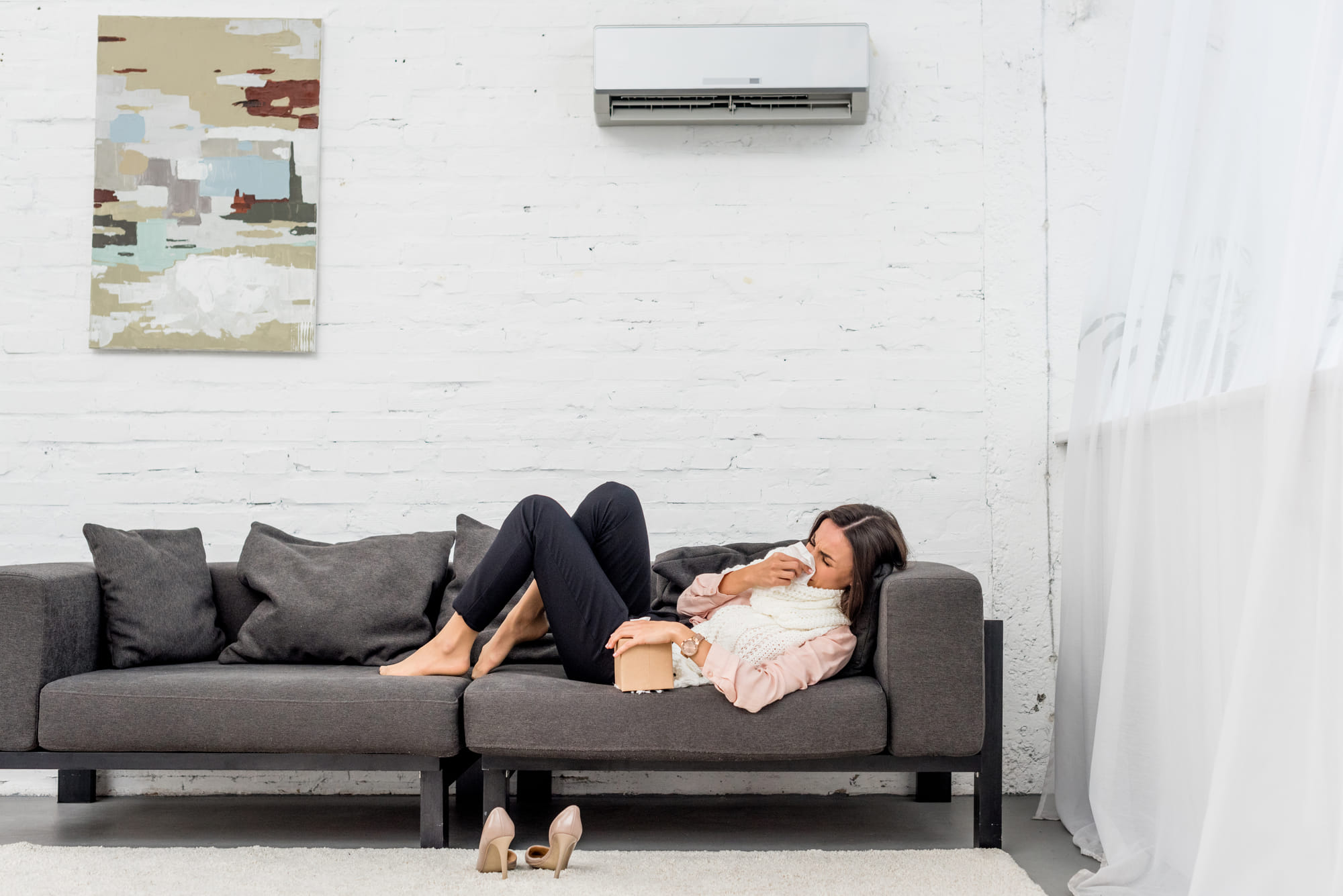
After traipsing through punishing heat outdoors, few things feel as instantly comforting as stepping into a cool room. The first gust of cold air feels poetic. And then, after a prolonged period of time, the headaches begin, along with the dry throat. You find yourself with a blocked nose that never quite clears.
And suddenly, the very thing keeping you comfortable starts making you feel unwell.
So where is the line between relief and excess, and can your AC actually make you sick?
Doctors say the answer is more complicated than blaming the AC itself. Air conditioning does not directly make people sick. But the environments created around it, dry air, poor ventilation, neglected filters, trapped allergens and sudden temperature shifts can affect the body in ways many people underestimate.
Get updated faster and for FREE: Download the Gulf News app now - simply click here.
Comfort turns to irritation
The 'AC sickness', is often the body reacting to indoor air quality. For starters, when systems are poorly maintained, they may circulate dust, mould or allergens as Dinesh Ramachandran, Technical & SHE Manager, Rentokil Boecker, UAE explains. "And, when the filters are not clean, they can trap bacteria, which is what makes people sick. There can be a mushy odour, a sock-like smell."
Quite often, that's your first sign that something is off with your air-conditioning, and that it needs fixing.
Moreover, what many people describe as 'AC sickness' is often the body reacting to indoor air quality. While poorly maintained systems may circulate dust, mould or allergens, the extremely cold, dry air can irritate the nose and throat. Furthermore, theeEnclosed spaces with limited ventilation may also increase exposure to viruses when people spend long hours together indoors.
And because these symptoms emerge gradually, they are easy to dismiss until they become routine.
The body's protest
As Dr Mohammed Harris, consultant pulmonologist at Medcare Hospital Sharjah, explains, the pattern is consistent: dry throat, nasal congestion, sneezing, headaches, dry eyes, fatigue and occasional muscle stiffness after prolonged exposure. In some cases, coughing or sinus irritation appears when air is overly cold or poorly filtered.
The issue is rarely dramatic. It is cumulative, which is a gradual wearing down of comfort that is easy to ignore in the moment.
The sick-building syndrome
There is even a name for the strange collection of symptoms people develop after spending too long sealed inside artificially cooled buildings: 'sick building syndrome'
It sounds dramatic, but the symptoms are common: Headaches that persist during the workday, dizziness, blocked noses, dry coughs, wheezing, skin irritation, brain fog and a fatigue that coffee never quite fixes. The longer people remain inside a particular air-conditioned space, the worse these symptoms often become. Many notice relief almost immediately after stepping outside.
The condition is most commonly associated with office workers trapped for hours in recycled indoor air, but it can affect anyone spending extended time inside heavily air-conditioned environments, from hospitals to apartment towers.
Research is increasingly backing up what many people suspect. A 2023 study, titled Impact of Air Conditioners on Sick Building Syndrome, Sickness Absenteeism, and Lung Functions, from India tracked 200 healthy adults working six-to-eight-hour shifts in air-conditioned offices against 200 adults who did not work in AC environments. Over two years, the air-conditioned group reported significantly higher rates of symptoms linked to sick building syndrome, particularly allergies. More strikingly, clinical tests found poorer lung function among those regularly exposed to AC, alongside higher rates of work absences compared to the non-AC group.
Artificial winter and drying of the body
One of the least discussed effects of over-air-conditioned environments is also dehydration. The air-conditioning reduces humidity indoors, and while that makes a room feel cooler, it also strips moisture from the skin, eyes and respiratory tract. Over time, this can irritate the body’s natural protective barriers.
The dry air can irritate the lining of the nose and throat, leading to discomfort, dryness, or coughing in some people, says Harris. “In certain cases, it may make the airways feel more sensitive, especially if the air is excessively cold or exposure is prolonged.”
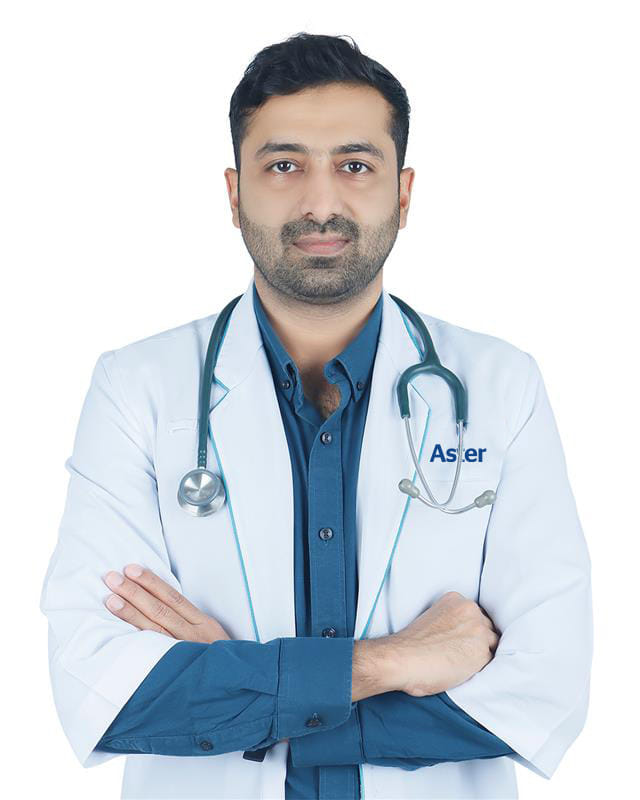
Dr Razim Abdul Rasheed, specialist ENT, Aster Clinic Qusais, says this is especially visible during Gulf summers, when people move constantly between scorching outdoor heat and intensely cooled indoor spaces. "We commonly see patients experiencing AC-related discomfort due to long indoor exposure and sudden temperature changes between outdoor heat and indoor cooling,” he says.
The repeated shock to the system can leave some people with persistent throat irritation, sinus congestion, headaches and fatigue. People who are more sensitive, might also experience increased mucus production, as the body attempts to protect itself from dryness.
The irony, doctors say, is that many people respond by lowering the temperature even further, believing colder means fresher. In reality, excessively chilled environments often worsen irritation.
When the system becomes the trigger
For people with asthma, allergic rhinitis or respiratory sensitivities, neglected AC systems can become a constant trigger. The dust, mould, pollen or dirty filters can trigger symptoms such as wheezing, coughing, sneezing, or nasal congestion, Harris explains.
Rasheed and Ramchandran echo the concern, warning that dirty filters can circulate allergens including dust mites, mould spores and pollen. “Patients with asthma, allergic rhinitis, sinusitis, or dust allergies are generally more sensitive to poor indoor air quality and sudden temperature changes,” adds Rasheed.
At clinics across the UAE, doctors say they frequently see worsening respiratory symptoms during peak indoor months, when residents spend most of their time in sealed, air-conditioned environments.
Dr Beena Thomas, specialist pulmonologist, Aster Clinic, Discovery Garden. notes that cold, dry air can make airway secretions thicker and stickier, increasing irritation and sometimes even the work of breathing in sensitive patients.
And while air conditioning does not directly cause viral illnesses like colds or flu, closed indoor spaces can make transmission easier. “The poorly ventilated closed indoor environments may also cause easier spread of respiratory infections, especially when many individuals share recirculated air for prolonged periods,” Thomas says.
The holiday paradox: What happens when the AC is switched off
The problem is compounded during summer holidays, Ramachandran adds, when many households switch off their air conditioning systems for weeks at a time.
On the surface, it feels practical, a simple way to save energy while the home sits empty. But in reality, it creates the ideal conditions for internal build-up within the system. In hot and humid environments, residual moisture does not simply vanish when the AC is turned off. It hovers within ducts, coils and drain pans, where dust settles and stagnation begins. Over time, this creates a low-grade environment where mould and bacteria can develop unnoticed.
When the system is switched back on after weeks of inactivity, it does not just resume cooling the space, it can also recirculate what has accumulated inside it. For returning occupants, that means a sudden exposure to trapped dust, allergens or microbial particles, which may trigger irritation or respiratory discomfort.
The maintenance people ignore
What most people never see is what builds up behind vents, filters and ducts over months of heavy use.
In the UAE’s climate, air conditioners run almost constantly for large parts of the year. The relentless use creates the perfect environment for dust accumulation, moisture build-up and mould growth if systems are not properly maintained. Ramachandran says maintenance is essential.
“In the UAE climate, AC units can account for up to 70% of a building's energy consumption during summer,” he explains. “To keep costs down, the system must breathe without resistance.”
This means cleaning or replacing filters regularly, at least once a month — and ensuring ducts, coils, drain pans and filters are professionally cleaned and sanitised.
Ramachandran recommends using NADCA-certified companies for deep AC cleaning and stresses the importance of controlling indoor humidity. He suggests cleaning once, every quarter, if not monthly, which might be more expensive.
“Maintain indoor humidity between 40 per cent and 60 per cent,” he says. “If humidity exceeds 60%, mould will grow on furniture and walls regardless of how ‘clean’ the AC is.”
For households with pets, elderly residents, young children or immunocompromised individuals, he advises even more frequent maintenance, alongside standalone HEPA air purifiers to 'polish' the air the AC system may miss.
Why colder is not always better
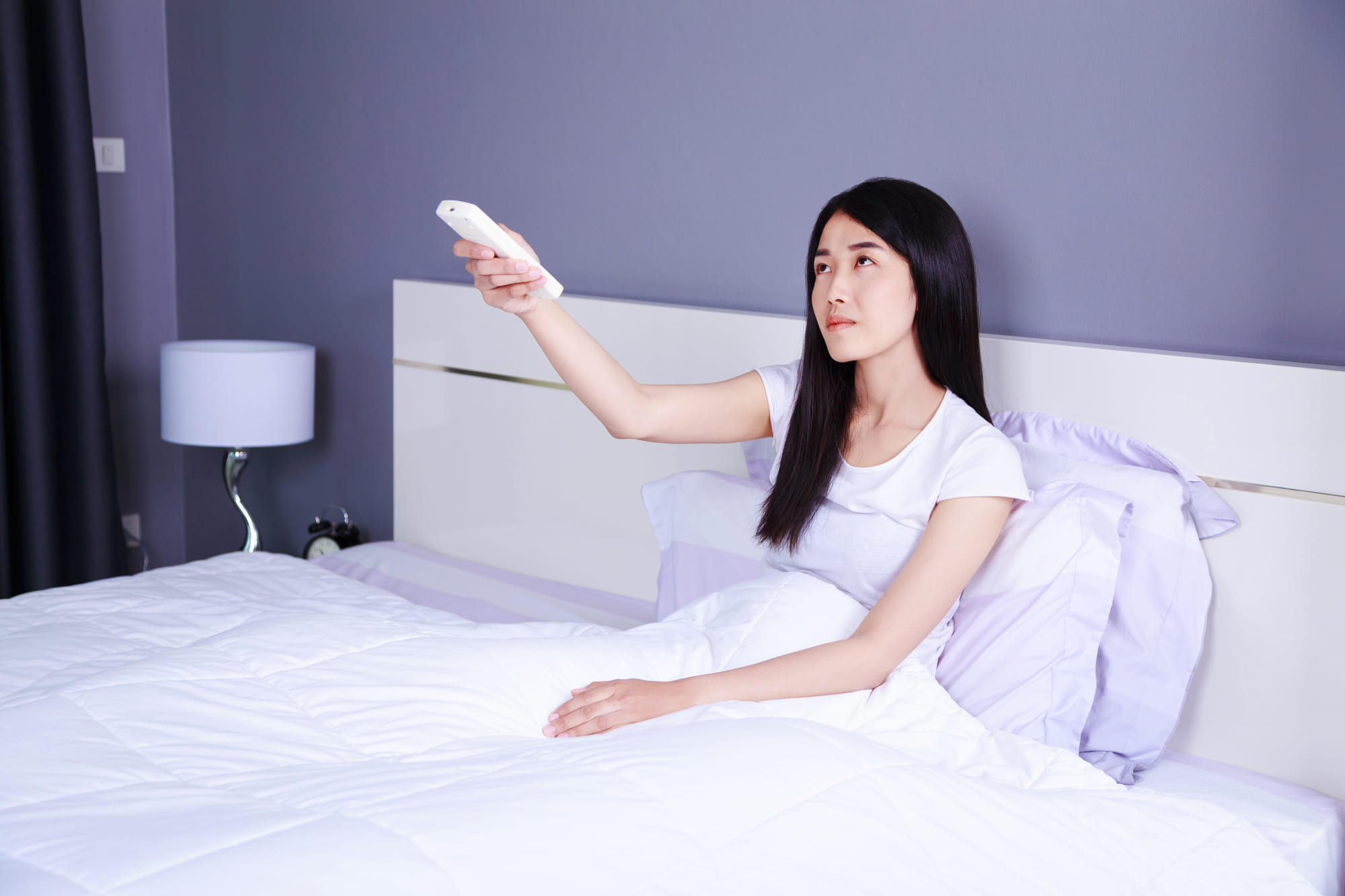
There is also a strong affinity with freezing indoor spaces; one that experts say comes with both health and financial consequences. Ramachandran advocates what he calls the '24°C Rule,' noting that every degree lower than 24°C can increase cooling costs by six to nine per cent.
Doctors agree that moderate temperatures are easier on the body. Dr Rasheed advises keeping indoor temperatures between 22°C and 24°C, avoiding direct cold airflow and staying hydrated throughout the day. Humidifiers can also help when indoor air becomes excessively dry.
And despite the temptation to switch the AC off entirely during travel, Ramachandran recommends maintaining a steady temperature of 25°C or 26°C during vacations to control humidity and prevent moisture build-up indoors.
ملاحظة تحريرية | Editorial Note:
نُشر هذا المقال في الأصل بواسطة Gulf News.
خبر (Khabr) هي منصة إعلامية أردنية مرخّصة تعمل بالذكاء الاصطناعي.
نضيف قيمة تحريرية من خلال: تحليل ذكي للأخبار، ملخصات تلقائية، رواية صوتية بالذكاء الاصطناعي، ترجمة متعددة اللغات، وتدقيق الحقائق.
هدفنا جعل الأخبار أكثر وضوحاً وسهولةً للقارئ العربي.
This article was originally published by Gulf News.
Khabr is a licensed Jordanian AI-powered news platform (Registration #82086).
We add editorial value through: AI-powered news analysis, automated summaries, AI audio narration, multi-language translation (Arabic, English, French, Turkish), and AI fact-checking.
Our mission is to make news more accessible and understandable for Arabic-speaking audiences worldwide.
هذا الخبر ضمن تغطية خبر لقسم صحة.
نقدّم لك تحليلات ذكية وملخصات يومية لأهم الأخبار من مصادر موثوقة متعددة.
المصدر: Gulf News.
يوجد 6 مقالات مرتبطة بهذا الموضوع.
This article is part of Khabr's coverage of Health.
We provide AI-powered analysis, summaries, and multi-source aggregation to keep you informed.
Source: Gulf News.
Tags: air conditioning, health risks, UAE summers.
🍪 نستخدم ملفات تعريف الارتباط لتحسين تجربتك وعرض الإعلانات المخصصة. باستخدامك للموقع، فإنك توافق على سياسة ملفات تعريف الارتباط وسياسة الخصوصية.
We use cookies to enhance your experience and show personalized ads. By using this site, you agree to our Cookie Policy and Privacy Policy.
🔍
FREEFree 1GB Internet + Free International Calls
$1 trial — eSIM in 190+ countries — No roaming charges