Introduction
The geopolitical landscape in the Middle East is showing signs of transformation as Iran prepares to reap substantial economic benefits from the reopening of the Strait of Hormuz in partnership with Gulf States. This move, estimated to yield a windfall of $40 billion, signals not only a potential revival for Iran's economy but also a shift in the balance of power in the region.
The Significance of the Strait of Hormuz
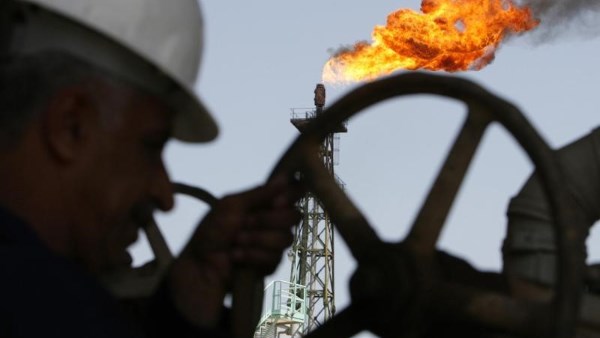
The Strait of Hormuz is a crucial maritime chokepoint, with approximately 20% of the world's oil supply passing through it. Its strategic importance cannot be overstated, as it serves as a vital artery for energy exports from Gulf countries. The reopening of this channel under Iranian auspices indicates a thawing of relations with regional neighbors and could facilitate smoother trade routes.
Iran's Economic Outlook
With estimates suggesting a $40 billion influx, Iran is set to bolster its economy, which has struggled under international sanctions and economic isolation. The Iranian government is looking to enhance its oil exports and attract foreign investments to stimulate growth. This windfall comes at a critical time, as the nation grapples with soaring inflation and currency devaluation.
Regional Implications
The reopening of Hormuz could have significant implications for the geopolitical landscape of the Gulf region. Countries like Saudi Arabia, the United Arab Emirates, and Qatar may need to recalibrate their foreign policies in light of a more economically empowered Iran. The potential for collaborative economic ventures between Iran and its Gulf neighbors could pave the way for a more stable and prosperous region.
Challenges Ahead
Despite the optimistic outlook, Iran faces numerous challenges that could hinder its economic recovery. Ongoing tensions with the United States and lingering sanctions pose significant barriers to fully capitalizing on the anticipated financial gains. Moreover, internal political dynamics and public discontent over economic hardships could affect the government's ability to manage this newfound wealth effectively.
The Path Forward
As Iran prepares for this potential economic renaissance, the focus will be on fostering regional cooperation and enhancing diplomatic ties with Gulf states. This could involve more than just economic partnerships; it may also lead to broader discussions on security and mutual interests in a region fraught with conflicts. The next few months will be pivotal in determining how Iran navigates its relationships and capitalizes on the anticipated windfall from the Strait of Hormuz.
Conclusion
In conclusion, Iran stands on the brink of an economic transformation with the expected $40 billion windfall from reopening the Strait of Hormuz in collaboration with Gulf States. As the country seeks to reintegrate into the global economy, the implications of this development will reverberate throughout the Middle East, potentially altering the region's dynamics for years to come.