Introduction
The geopolitical landscape of the Middle East is once again in the spotlight as Iran has categorically rejected the demands put forth by former U.S. President Donald Trump concerning the blockade of the Strait of Hormuz. This strategic waterway is crucial for global oil shipments, and Iran's stance raises significant concerns about maritime security and international relations.
Background of the Strait of Hormuz Blockade
The Strait of Hormuz, which connects the Persian Gulf to the Gulf of Oman, is a vital corridor through which nearly 20% of the world's oil passes. Tensions have long been high in this region, particularly following the U.S.'s withdrawal from the Joint Comprehensive Plan of Action (JCPOA) in 2018 and the subsequent imposition of stringent sanctions on Iran. These events have exacerbated Iran's determination to assert its influence over this critical shipping lane.
Trump's Terms and Iran's Response
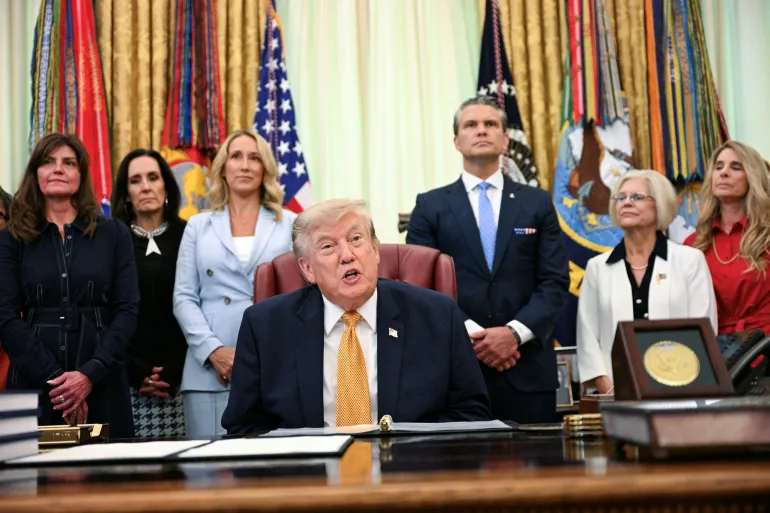
Trump's proposal aimed to ease the blockade conditions in exchange for concessions from Iran regarding its nuclear program and regional activities. However, Iranian officials have responded emphatically, stating that they will not negotiate under what they describe as coercive terms. Iran's Foreign Ministry spokesperson emphasized that the country would not yield to pressure and reaffirmed its commitment to safeguarding its national interests.
The Implications of Iran's Rejection
This refusal to accept Trump's terms could lead to increased tensions in the region, potentially affecting oil prices and global markets. Analysts predict that Iran may escalate its military presence in the Strait of Hormuz, further complicating the already fragile security situation. The U.S. has expressed its intent to maintain a naval presence in the region to ensure safe passage for commercial vessels, but Iran's defiance poses a significant challenge to these efforts.
International Reactions
The international community is closely monitoring the situation, with various countries urging both the U.S. and Iran to engage in dialogue to prevent further escalation. European powers, who are signatories to the JCPOA, have expressed concern over Iran's nuclear advancements and the stability of the region. They advocate for diplomatic solutions rather than military confrontations.
Conclusion
As the standoff continues, the future of the Strait of Hormuz remains uncertain. Iran's rejection of Trump's terms underscores the complexities of international diplomacy in the region, and the world watches closely as both nations navigate this precarious situation. The outcome could have far-reaching implications for global energy supplies and geopolitical alliances.