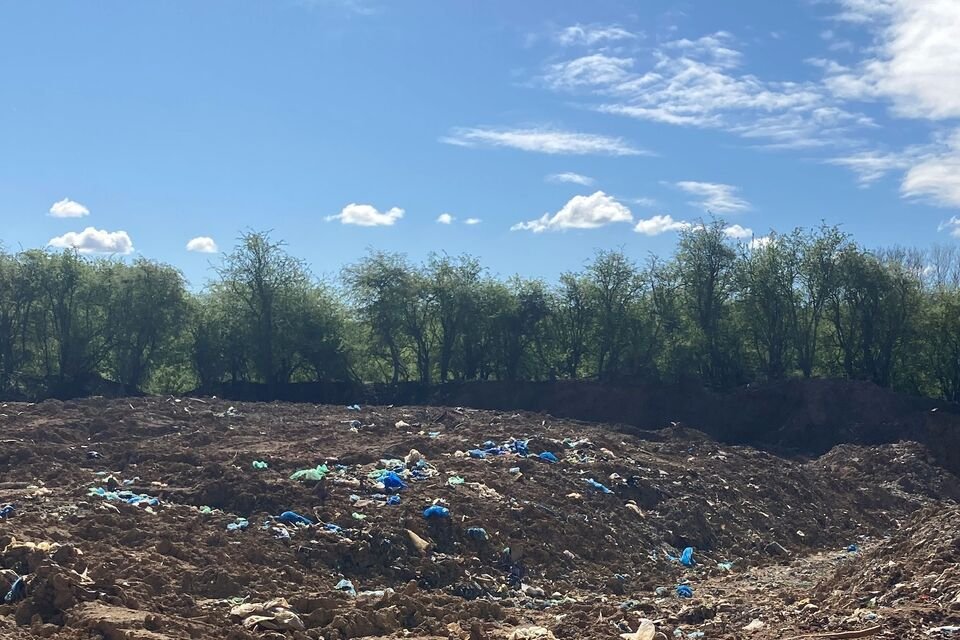
Investigation launched after 30,000 tonnes of rubbish dumped at protected site - 'Sickening!'
المصدر: GB News | Source: GB NewsEnvironmental authorities have opened an investigation after approximately 30,000 tonnes of household rubbish were discovered illegally dumped at a protected nature site in Leicestershire.
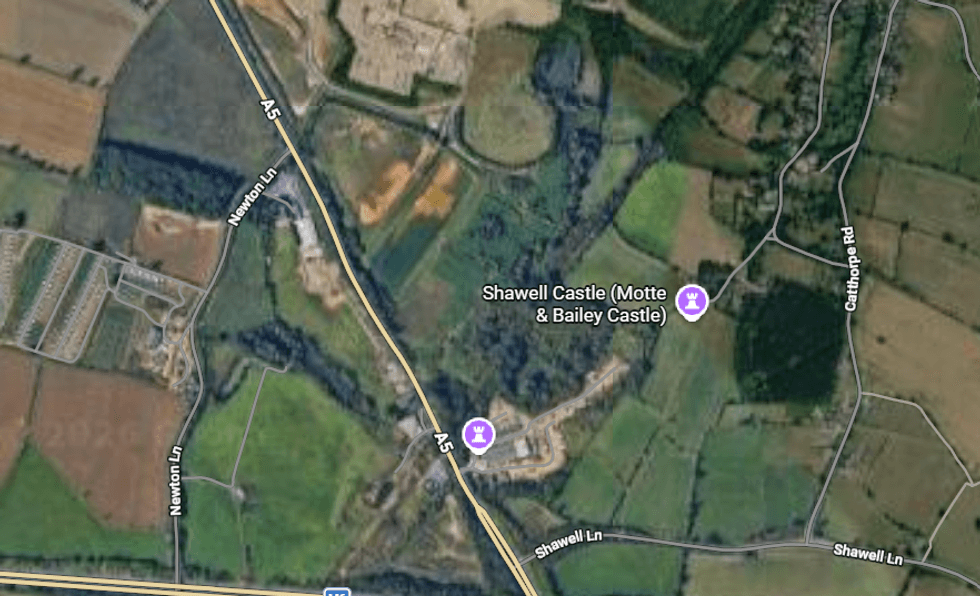
The waste was found at Cave's Inn Pits, located close to the village of Shawell, which is designated a Site of Special Scientific Interest.
Aerial photographs reveal shredded refuse covering an area roughly the size of a football pitch at the scenic location.
Officers from the Environment Agency and Natural England visited the site last week following complaints from nearby residents about foul odours.
TRENDINGStoriesVideosYour SayInvestigators discovered the rubbish had been layered with soil, suggesting a deliberate attempt to hide the illegal dumping operation.
Ian Jones, Area Director for the West Midlands at the Environment Agency, condemned the incident in stark terms: "This is a sickening case of large-scale illegal waste dumping, and we share the public's disgust."
He confirmed that a joint investigation with Natural England has been launched to identify those responsible and bring them to justice.
Phil Hukin, Principal Manager for Leicestershire and Rutland at Natural England, expressed devastation at the damage to the protected habitat: "This site contained some of the best remaining areas of neutral marsh in Leicestershire. It is heartbreaking to see one of England's precious sites of special scientific interest damaged like this."
Both agencies have warned the public to avoid the area during the ongoing inquiry.
The Environment Agency stated it would monitor air and water quality to prevent further environmental harm, amid concerns that pollution could reach a nearby river.
Local residents have described the stench emanating from the site as unbearable, particularly during the warm Easter period.
Sallyann Bundock, 56, who has resided in the area for two decades, spoke of her dismay at the destruction: "It's really sad to see what they have done up there. It is a site of special scientific interest and lots of people walk their dogs around the fields nearby, but now it just stinks and we can't go up there."
LATEST DEVELOPMENTS:
- Seaside town celebrates after sharing £12.3million Postcode Lottery jackpot
- Council forced to apologise after wrong trees chopped down in Britain's most famous forest
- Councillor sparks outrage with claims 'Palestinian' St George has 'no connection to England'
She noted the pungent odour first became noticeable around Easter time.
The sheer volume of waste has left locals questioning how such a massive operation went undetected, with Mrs Bundock observing that transporting such quantities would have required thousands of lorry trips, yet the landowner apparently remains unaware of how it occurred.
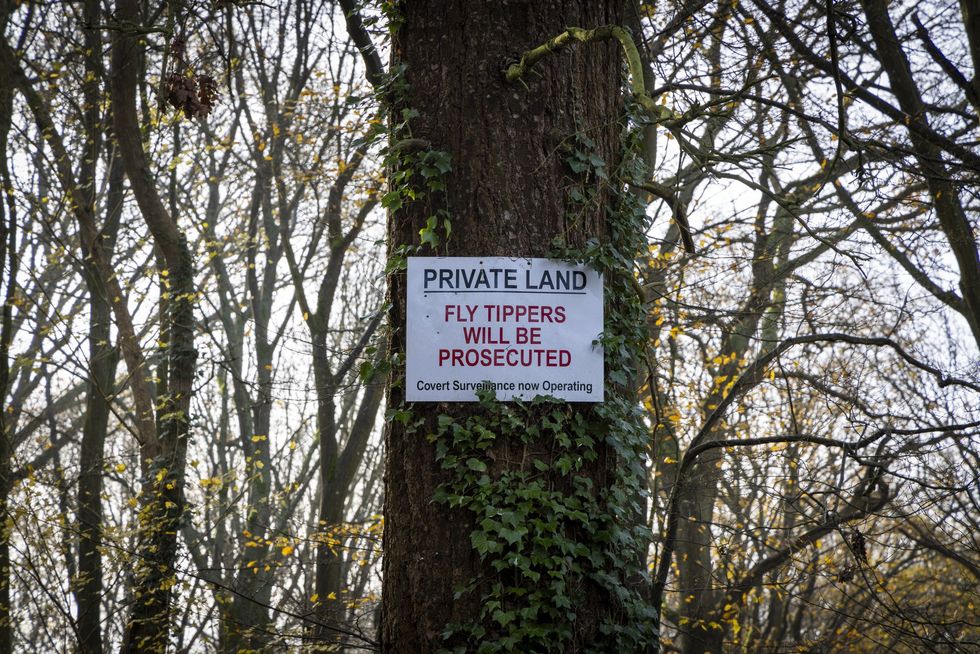
This incident forms part of a worsening fly-tipping epidemic across England, with councils recording 1.26 million illegal dumping cases in the year to March 2025, a nine per cent rise on the previous year.
Waste crime is estimated to drain between £1billion and £2billion from the English economy annually.
Approximately one-fifth of all waste is believed to be handled unlawfully.
The Environment Agency recently unveiled its Waste Crime Action Plan, backed by £45million in additional funding and an expanded Joint Unit for Waste Crime comprising 20 specialist officers.
Local authorities conducted roughly 572,000 enforcement actions against fly-tipping in 2024/25, marking an eight per cent increase.
Four men received prison sentences last month for dumping rubbish at six locations across London using tipper trucks.
Our Standards: The GB News Editorial Charter
ملاحظة تحريرية | Editorial Note: نُشر هذا المقال في الأصل بواسطة GB News. خبر (Khabr) هي منصة إعلامية أردنية مرخّصة تعمل بالذكاء الاصطناعي. نضيف قيمة تحريرية من خلال: تحليل ذكي للأخبار، ملخصات تلقائية، رواية صوتية بالذكاء الاصطناعي، ترجمة متعددة اللغات، وتدقيق الحقائق. هدفنا جعل الأخبار أكثر وضوحاً وسهولةً للقارئ العربي.
This article was originally published by GB News. Khabr is a licensed Jordanian AI-powered news platform (Registration #82086). We add editorial value through: AI-powered news analysis, automated summaries, AI audio narration, multi-language translation (Arabic, English, French, Turkish), and AI fact-checking. Our mission is to make news more accessible and understandable for Arabic-speaking audiences worldwide.