June 29 marks the International Day of the Tropics, designated by the United Nations to celebrate the diversity of tropical regions while raising awareness of the opportunities and challenges they share.
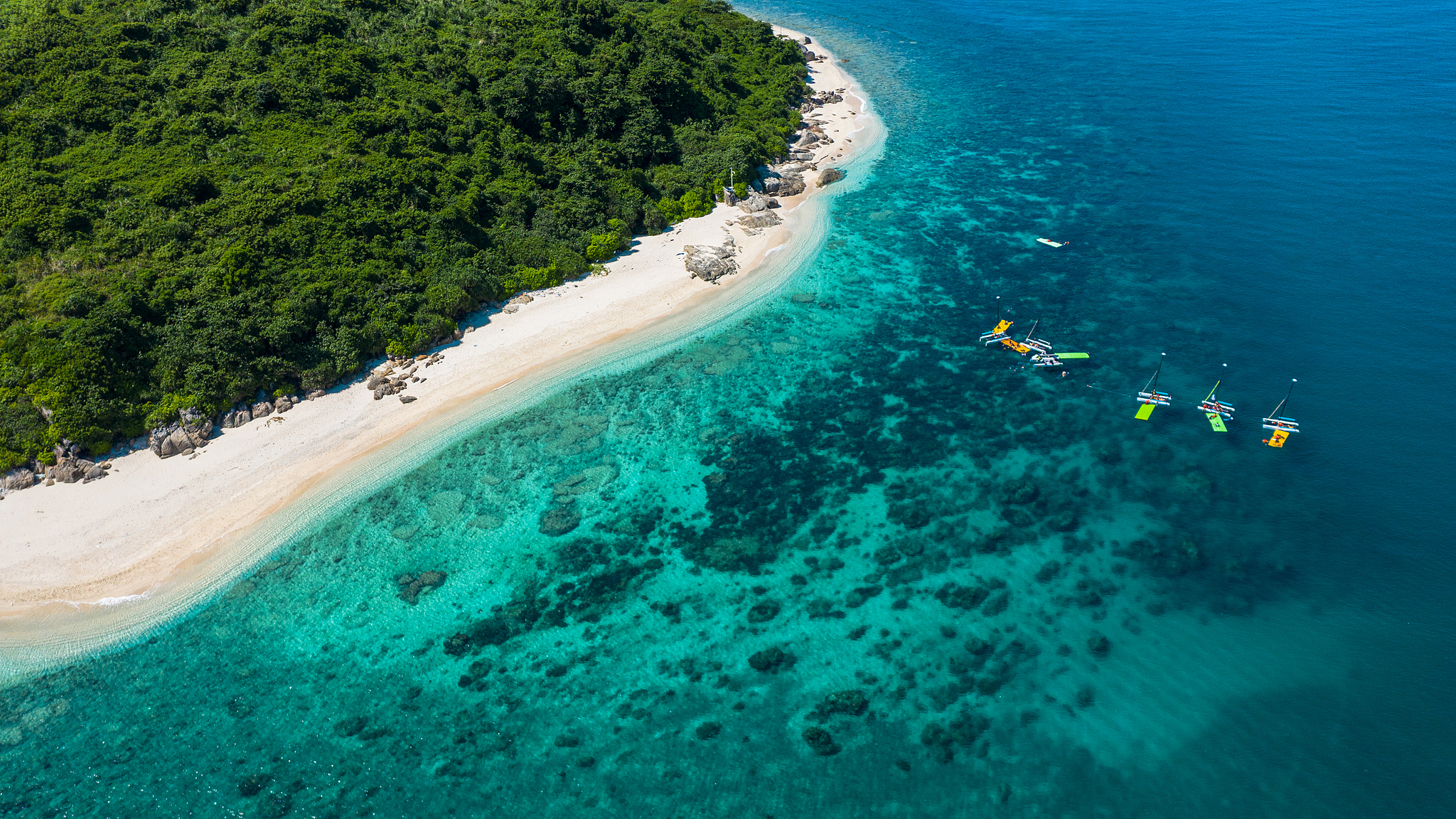
Covering about 40% of Earth's surface, the Tropics are home to roughly 80% of the world's biodiversity, making them indispensable to global ecological health.
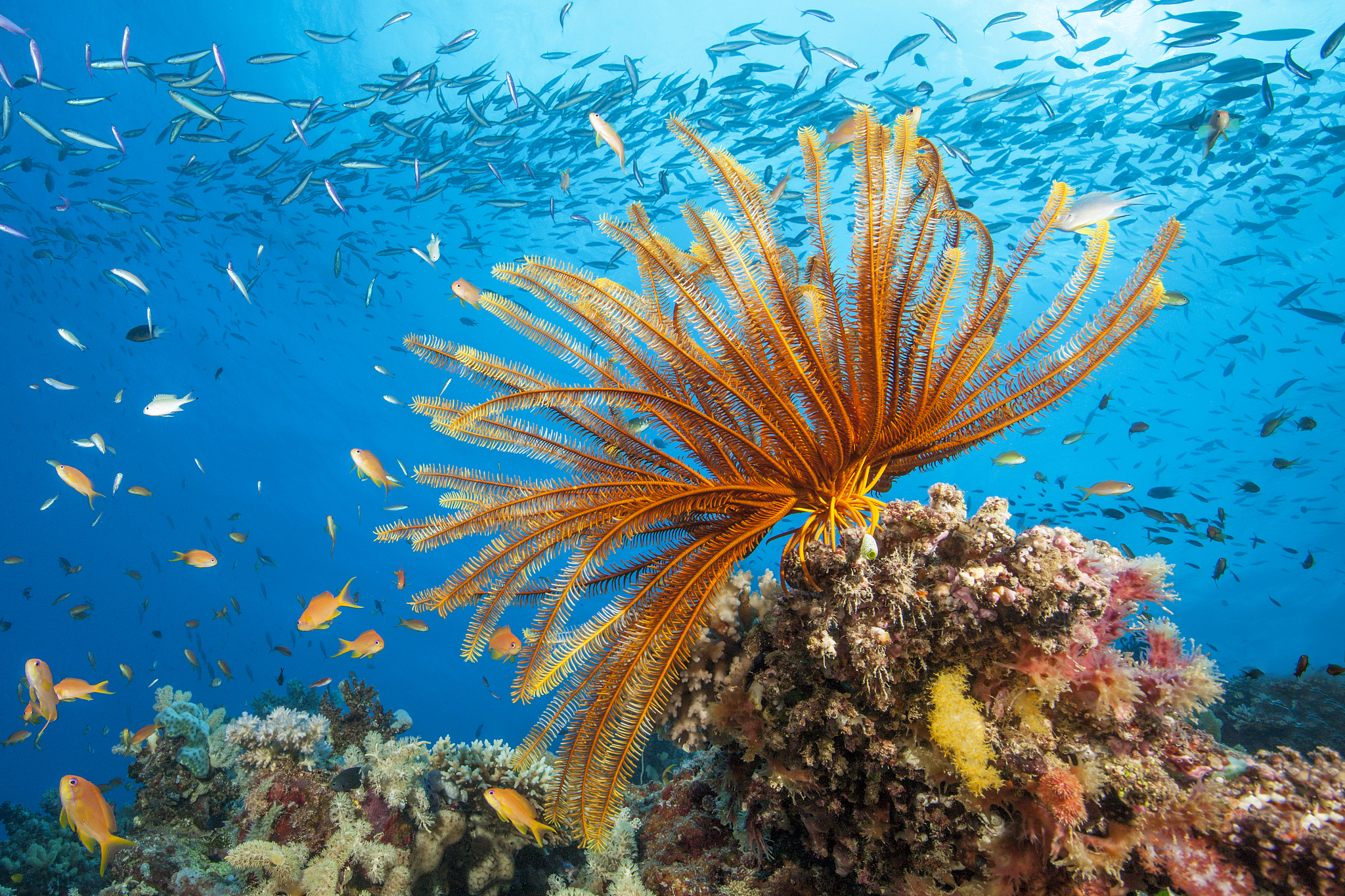
Tropical rainforests, mangroves, coral reefs and wetlands are among the defining ecosystems of the Tropics. They provide habitat for countless species while supporting freshwater supplies, fisheries and coastal protection.
According to the United Nations Environment Programme, mangroves are found in 123 countries and territories, linking land and sea, storing substantial amounts of blue carbon and helping reduce the impacts of storms on coastal communities.
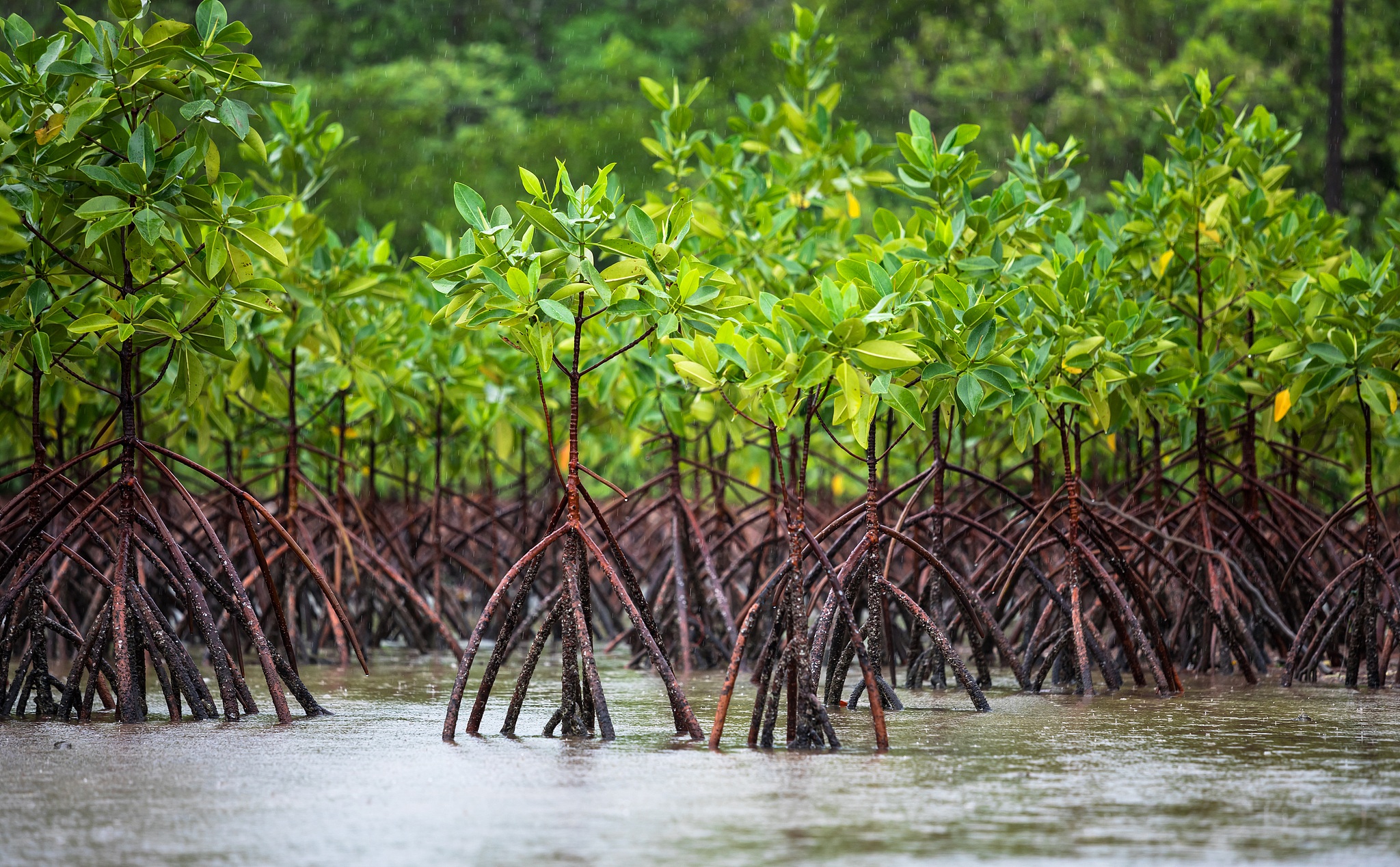
China has continued to strengthen conservation of its tropical ecosystems as part of broader biodiversity protection efforts. The country's expanding national park system has become an important platform for safeguarding ecosystems and wildlife.
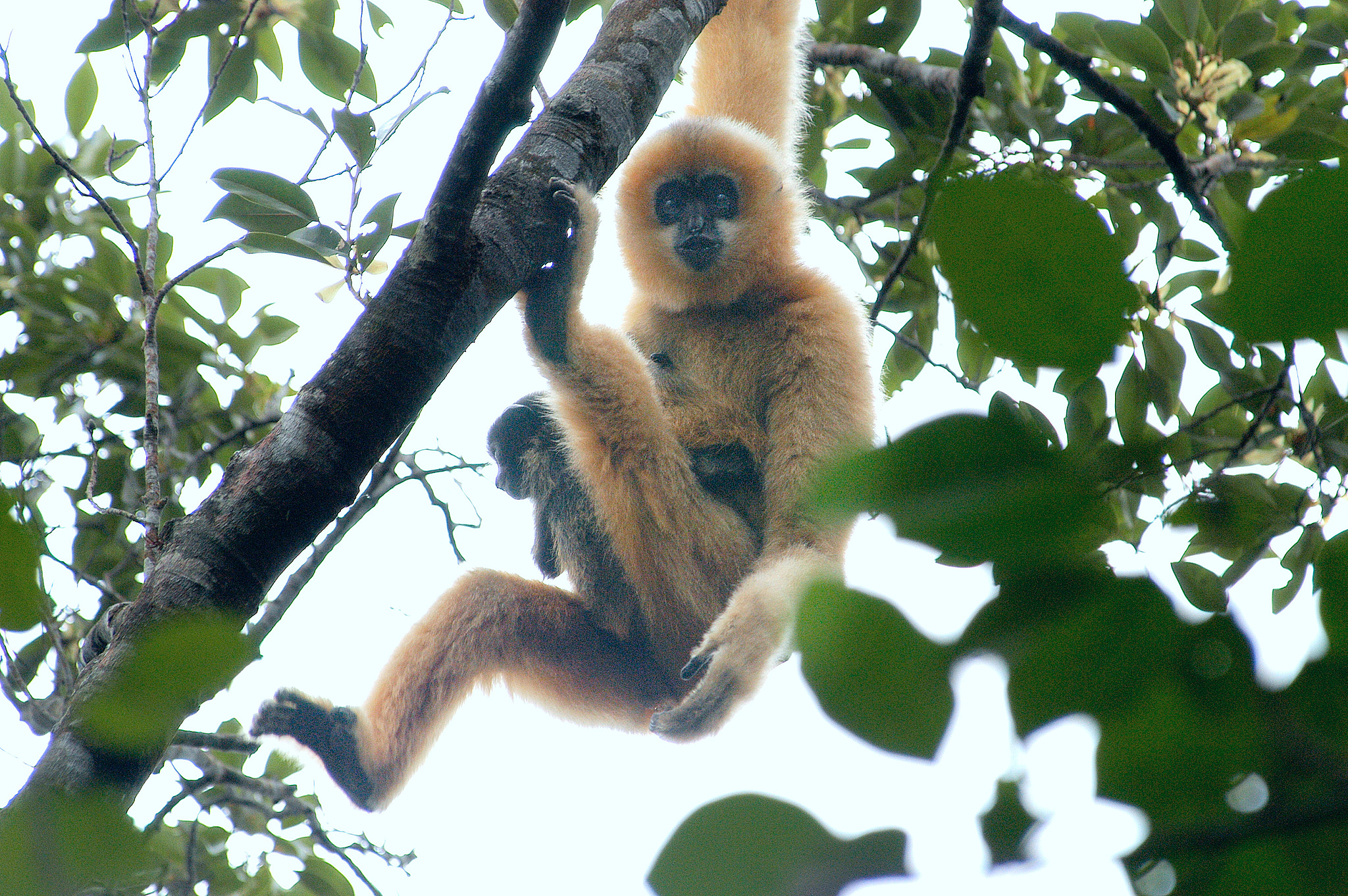
In Hainan Tropical Rainforest National Park, more than 80 new species have been recorded in the four years since the park was established, while habitat restoration has contributed to the recovery of the critically endangered Hainan gibbon.
China has also continued to restore mangrove forests along its southern coast, helping improve coastal ecosystems and biodiversity.
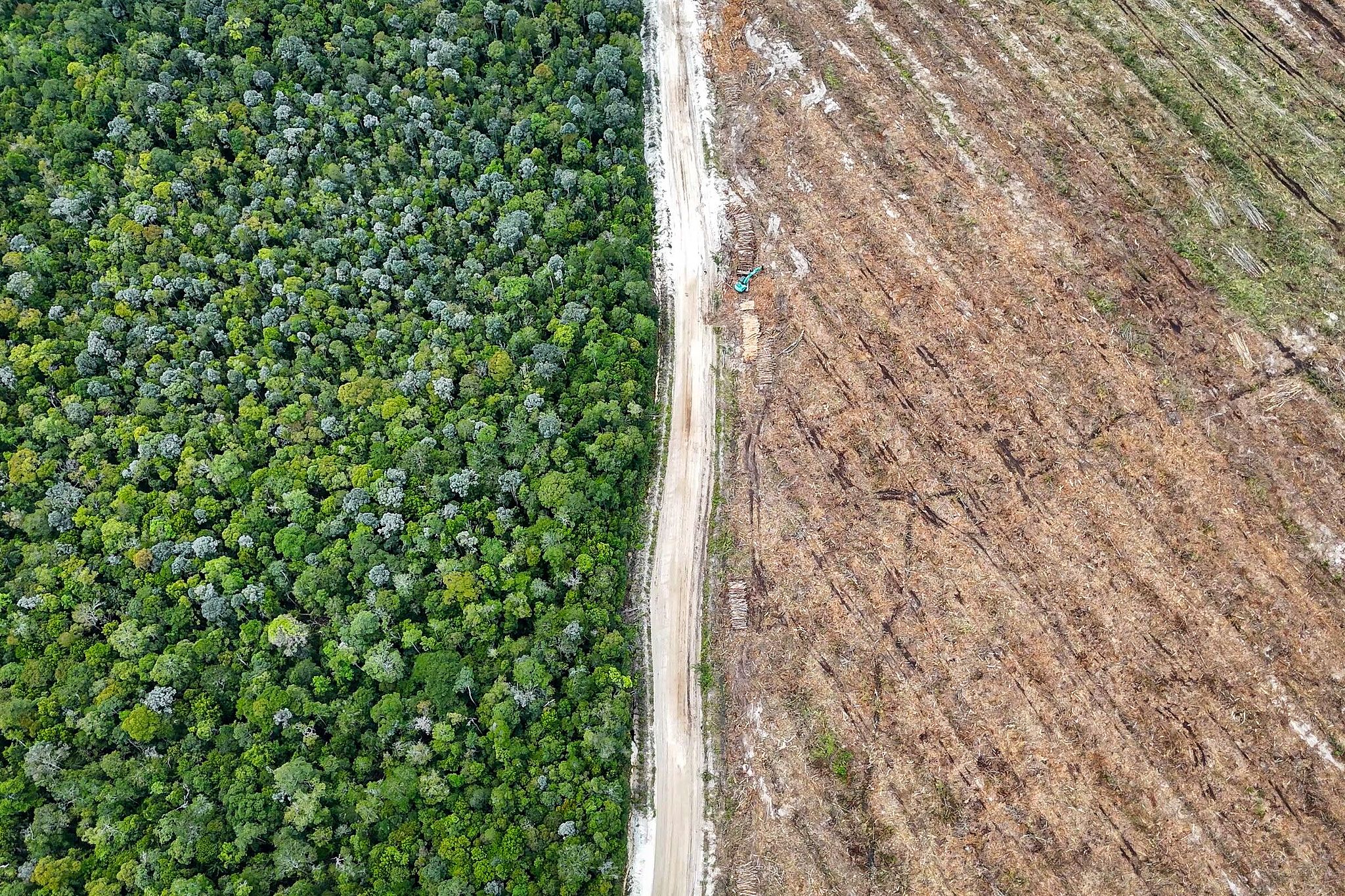
Despite continued conservation efforts, tropical regions remain under pressure from climate change, deforestation, habitat degradation, urban expansion and warming oceans.
The United Nations notes that the Tropics contain 54% of the world's renewable freshwater resources, yet nearly half of the region's population experiences water stress, while biodiversity is declining faster than in the rest of the world.
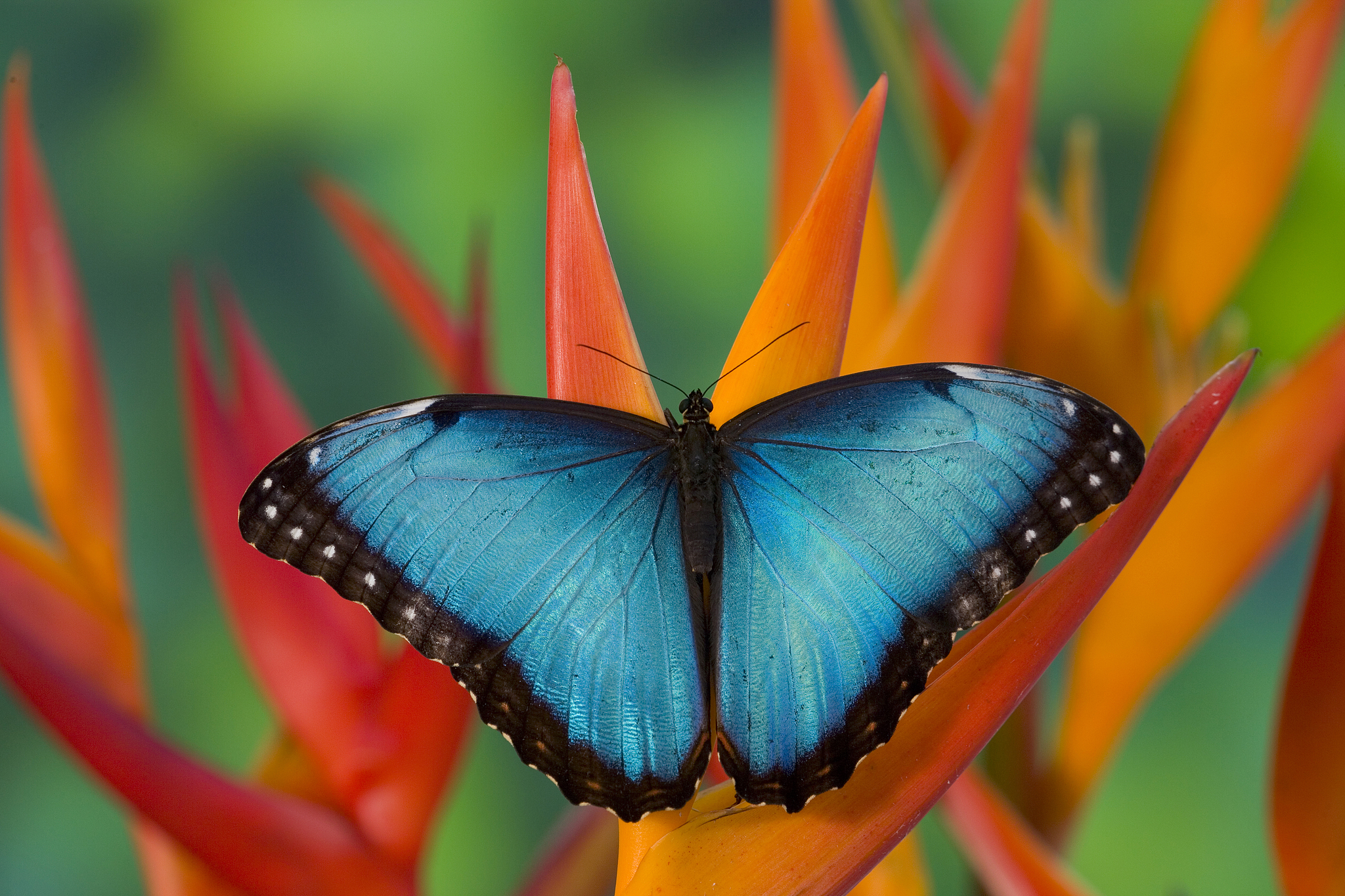
Sustained protection of tropical ecosystems remains essential for conserving global biodiversity and supporting sustainable development.