⚡ عاجل: كريستيانو رونالدو يُتوّج كأفضل لاعب كرة قدم في العالم●⚡ أخبار عاجلة تتابعونها لحظة بلحظة على خبر●⚡ تابعوا آخر المستجدات والأحداث من حول العالم●
AI اقتراحات ذكية
AI مباشر|--مشاهد مباشر
861,342مقال404مصدر نشط228قناة مباشرة5,636خبر اليوم
آخر تحديث:منذ ثانيتين
Inside US–Iran talks: Why gaps persist and what comes next
Dubai: After 21 hours of negotiations stretching into the early hours, US–Iran talks did not so much fail as expose the scale of the challenge ahead — laying bare deep divisions over nuclear limits, regional power and control of the Strait of Hormuz.
The outcome was not unexpected. Both sides entered the talks with maximalist positions and limited room to compromise, making a breakthrough in a single session unlikely. What unfolded instead was a high-stakes test of intent — one that showed just how far apart Washington and Tehran remain.
At the core are three fault lines: Iran’s refusal to abandon uranium enrichment, US insistence on a binding guarantee against nuclear weaponisation, and competing claims over the future of the Strait of Hormuz — a chokepoint that typically carries about a fifth of global oil supplies.
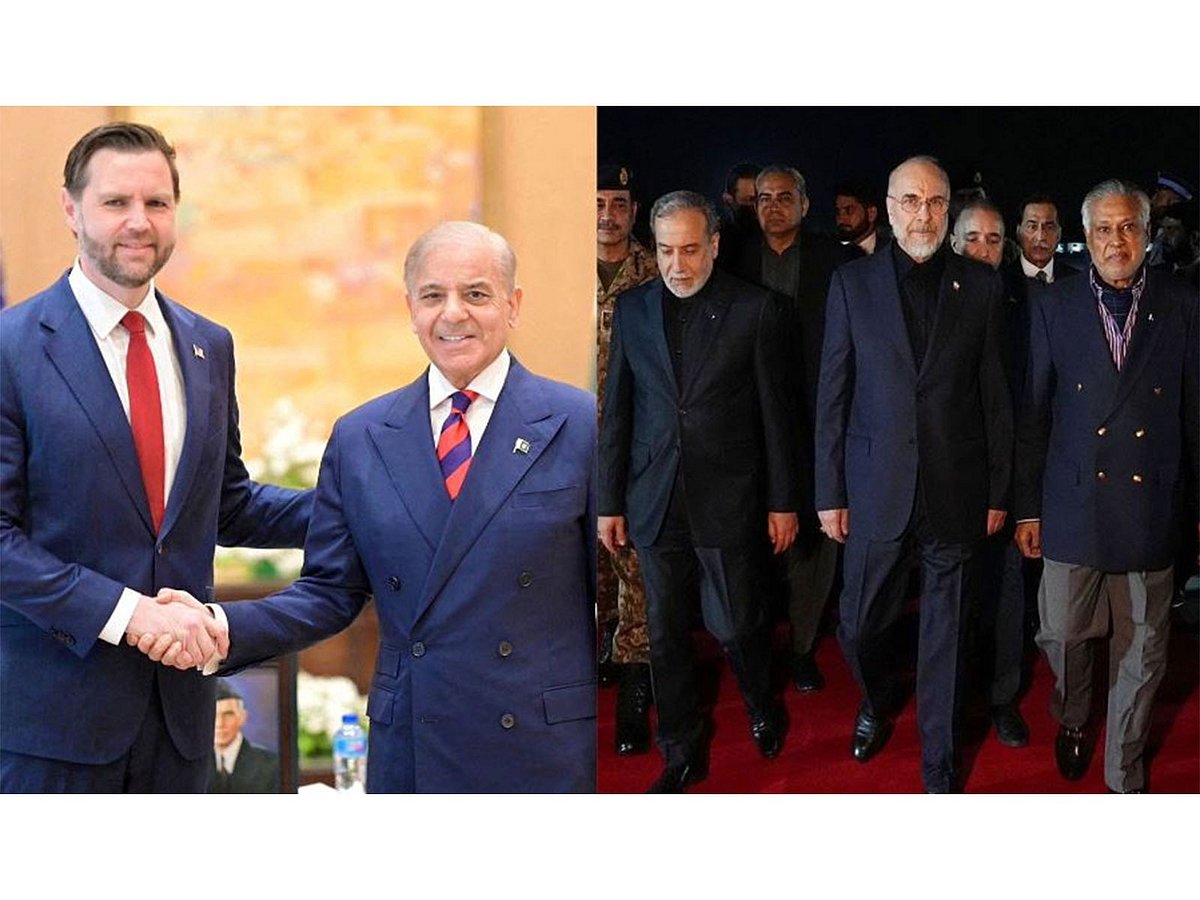
Vice President JD Vance gives an update in Pakistan:
"The simple fact is that we need to see an affirmative commitment that they will not seek a nuclear weapon, and they will not seek the tools that would enable them to quickly achieve a nuclear weapon." pic.twitter.com/il4THN5DwV
For Washington, the objective is clear — a verifiable commitment that Iran will not develop nuclear weapons or retain the capability to do so. Vice President JD Vance said the US had put forward its “final and best offer,” effectively shifting the next move to Tehran.
The proposal centres on a binding commitment from Iran to forgo nuclear weapons and the capability to develop them — a demand Tehran has consistently resisted.
Key fault lines
Nuclear red line: The US wants a binding commitment that Iran will never develop nuclear weapons; Tehran refuses to give up enrichment.
Strait of Hormuz control: Iran sees control of the strait as leverage; the US wants it fully reopened for global shipping.
Deep mistrust: Decades of failed deals and conflict continue to shape both sides’ positions.
Clashing negotiation styles: Washington pushed for a quick outcome; Tehran prefers a slower, phased approach.
Maximalist positions: Both sides entered talks with hard demands, leaving little room for compromise in a single round.
But Iran sees those demands as excessive. Officials have defended enrichment as a sovereign right and tied any concessions to sanctions relief, wartime compensation and broader regional guarantees, including limits on Israeli military action.
The result is a familiar diplomatic impasse: each side views compromise as a strategic loss.
Prime Minister Muhammad Shehbaz Sharif held a meeting with the Iranian delegation at the Islamabad Talks today.
The Iranian side was led by the Honorable Speaker of the Iranian Consultative Assembly, Mr. Mohammad Bagher Ghalibaf, assisted by Foreign Minister of the Islamic… pic.twitter.com/uUzzd6njy7
— Government of Pakistan (@GovtofPakistan) April 11, 2026
Complicating matters further is the Strait of Hormuz. Iran’s grip over the narrow waterway has emerged as its most powerful leverage, disrupting global energy flows and fuelling volatility in markets. The United States, meanwhile, has signalled it is prepared to secure shipping routes if needed, raising the risk of confrontation even as diplomacy continues.
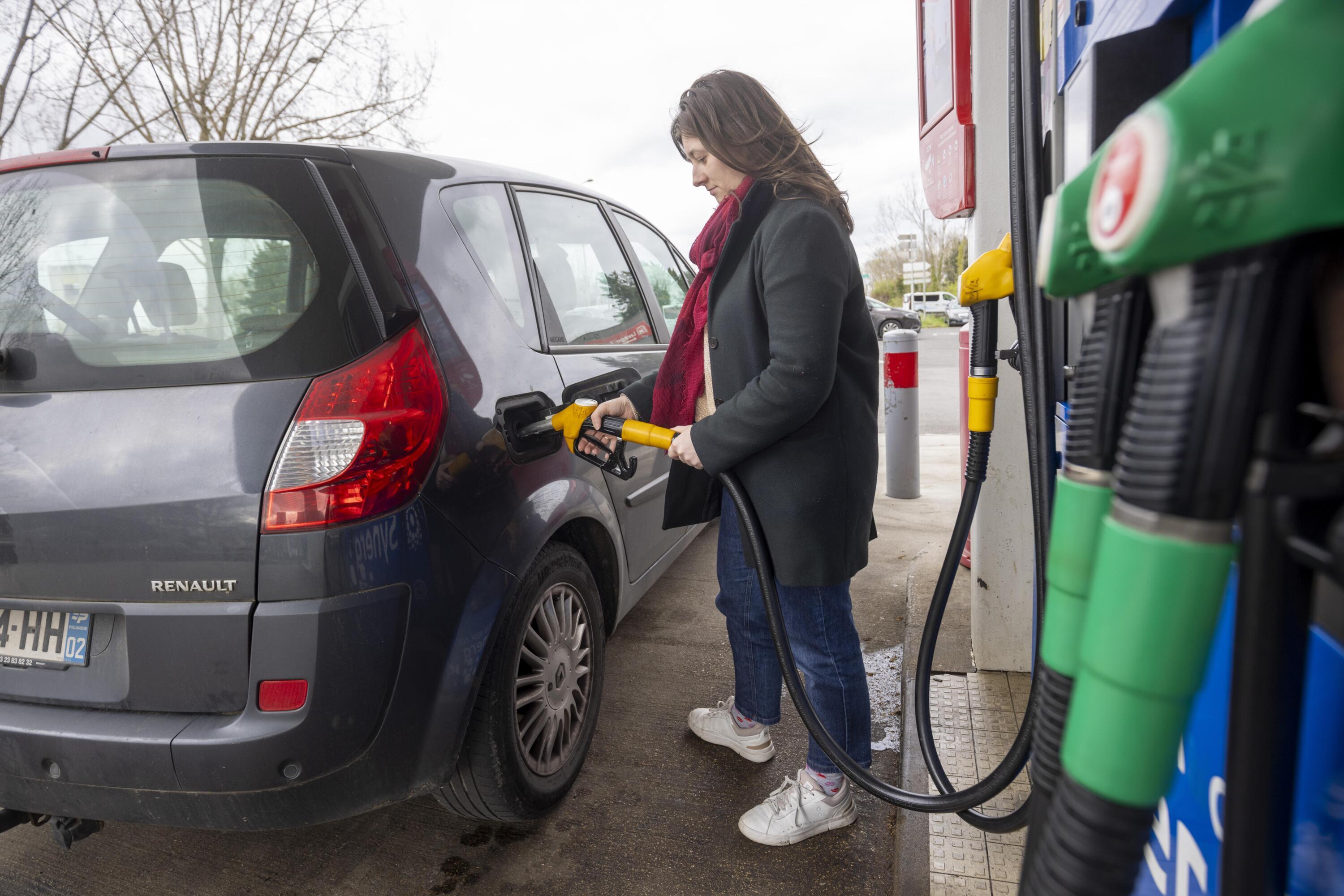
That tension reflects a deeper reality. The conflict has already triggered one of the most significant energy disruptions in recent decades, and any prolonged standoff over Hormuz risks amplifying the global impact.
What happens next
Prolonged negotiations likely: Talks may shift into a longer, phased process rather than a quick deal.
Risk of renewed conflict: Failure to bridge gaps could see a return to military escalation.
Hormuz remains pressure point: Control of the strait will continue to shape both economic and military calculations.
Political pressure on Washington: Rising energy costs and war fatigue could influence US decision-making.
Decision now with Tehran: Iran’s response to the US “final offer” will determine the next phase.
Likely path
The most likely path is prolonged, phased negotiations rather than a quick deal. Even Iranian officials have signalled openness to further dialogue, despite the lack of immediate progress.
Pakistan’s Foreign Minister Ishaq Dar said Islamabad would continue efforts to facilitate dialogue, urging all sides to uphold the ceasefire, while Iran signalled it remains open to further talks despite no clear timeline.
But the risks remain acute. A breakdown in talks could see the fragile ceasefire unravel, opening the door to renewed strikes and a wider confrontation across the region.
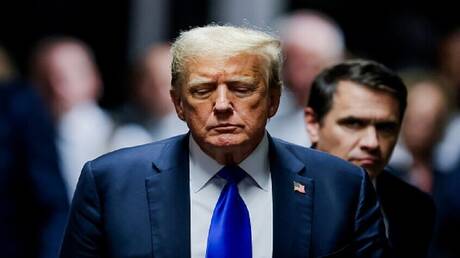
For the Trump administration, the choice is stark: persist with slow, uncertain diplomacy or escalate pressure in ways that could deepen the conflict.
As The New York Times noted, the outcome was not unexpected — but it leaves Washington weighing a longer diplomatic path against the risk of renewed conflict and deeper energy disruption.
For now, the next move lies with Tehran.
And the longer the gaps persist, the narrower the path to de-escalation becomes.
ملاحظة تحريرية | Editorial Note:
نُشر هذا المقال في الأصل بواسطة Gulf News.
خبر (Khabr) هي منصة إعلامية أردنية مرخّصة تعمل بالذكاء الاصطناعي.
نضيف قيمة تحريرية من خلال: تحليل ذكي للأخبار، ملخصات تلقائية، رواية صوتية بالذكاء الاصطناعي، ترجمة متعددة اللغات، وتدقيق الحقائق.
هدفنا جعل الأخبار أكثر وضوحاً وسهولةً للقارئ العربي.
This article was originally published by Gulf News.
Khabr is a licensed Jordanian AI-powered news platform (Registration #82086).
We add editorial value through: AI-powered news analysis, automated summaries, AI audio narration, multi-language translation (Arabic, English, French, Turkish), and AI fact-checking.
Our mission is to make news more accessible and understandable for Arabic-speaking audiences worldwide.
هذا الخبر ضمن تغطية خبر لقسم سياسة.
نقدّم لك تحليلات ذكية وملخصات يومية لأهم الأخبار من مصادر موثوقة متعددة.
المصدر: Gulf News.
يوجد 6 مقالات مرتبطة بهذا الموضوع.
This article is part of Khabr's coverage of Politics.
We provide AI-powered analysis, summaries, and multi-source aggregation to keep you informed.
Source: Gulf News.
Tags: US-Iran talks, diplomacy, political gaps.
🍪 نستخدم ملفات تعريف الارتباط لتحسين تجربتك وعرض الإعلانات المخصصة. باستخدامك للموقع، فإنك توافق على سياسة ملفات تعريف الارتباط وسياسة الخصوصية.
We use cookies to enhance your experience and show personalized ads. By using this site, you agree to our Cookie Policy and Privacy Policy.
FREEFree 1GB Internet + Free International Calls
$1 trial — eSIM in 190+ countries — No roaming charges