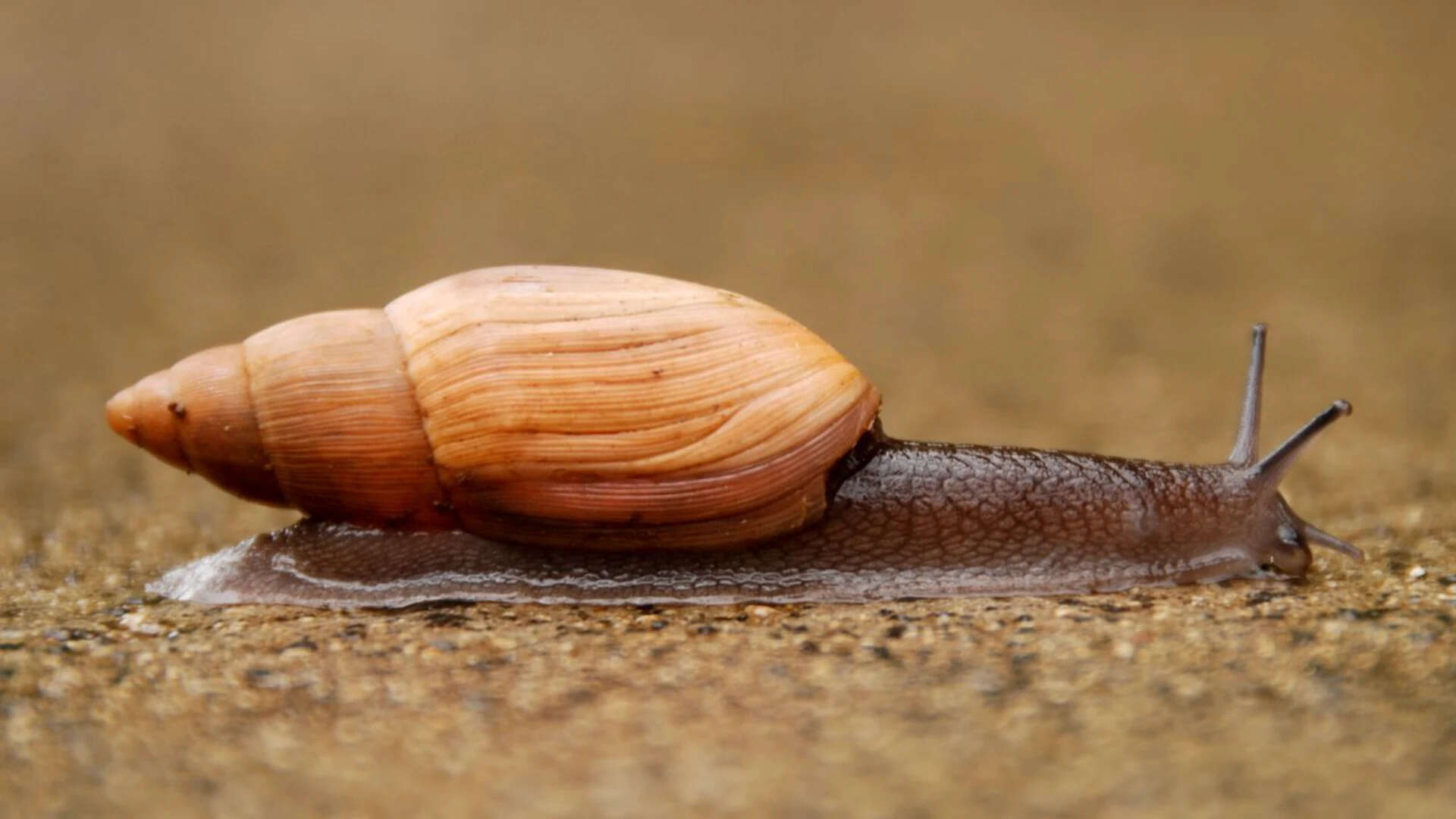
In 1955, Hawaii released cannibal snails. Native tree snails paid the price
•Hawaii introduced a predatory snail in 1955 to control pests, which then devastated native tree snails.
•Scientists now operate a snail emergency room to protect the remaining species.
•These colorful kāhuli snails were once abundant and culturally significant to Hawaiians.
هذا الخبر من Times of India. خبر يقدم أدوات ذكاء اصطناعي للتلخيص والترجمة والاستماع.
Hawaii introduced a predatory snail in 1955 to control pests, which then devastated native tree snails. Scientists now operate a snail emergency room to protect the remaining species. These colorful kāhuli snails were once abundant and culturally significant to Hawaiians. Captive breeding is slow, and efforts focus on predator-proof fences for reintroduction. Conservationists strive to prevent further extinctions, highlighting a global trend of human-induced endangerment.المصدر: Times of India | Source: Times of India
ملاحظة تحريرية | Editorial Note: نُشر هذا المقال في الأصل بواسطة Times of India. خبر (Khabr) هي منصة إعلامية أردنية مرخّصة تعمل بالذكاء الاصطناعي. نضيف قيمة تحريرية من خلال: تحليل ذكي للأخبار، ملخصات تلقائية، رواية صوتية بالذكاء الاصطناعي، ترجمة متعددة اللغات، وتدقيق الحقائق. هدفنا جعل الأخبار أكثر وضوحاً وسهولةً للقارئ العربي.
This article was originally published by Times of India. Khabr is a licensed Jordanian AI-powered news platform (Registration #82086). We add editorial value through: AI-powered news analysis, automated summaries, AI audio narration, multi-language translation (Arabic, English, French, Turkish), and AI fact-checking. Our mission is to make news more accessible and understandable for Arabic-speaking audiences worldwide.