How high will oil prices go if Iran-US ceasefire is not reached?
المصدر: Gulf News | Source: Gulf NewsDubai: Oil prices are swinging again, with markets increasingly focused on how high crude could climb if a ceasefire in the US-Israel-Iran conflict fails to materialise.
Get updated faster and for FREE: Download the Gulf News app now - simply click here.Brent rose 2.01% to $111.23 on Monday, while WTI gained 3.53% to $115.48, with Murban near $117. The move follows sharp gains a day earlier—WTI up over 11% and Brent nearly 8%—before easing back, highlighting how quickly sentiment is shifting.
The market is caught between escalating military action and the possibility of diplomatic intervention—but price expectations are drifting upward as talks remain uncertain.
Conflict pushes ceiling higher
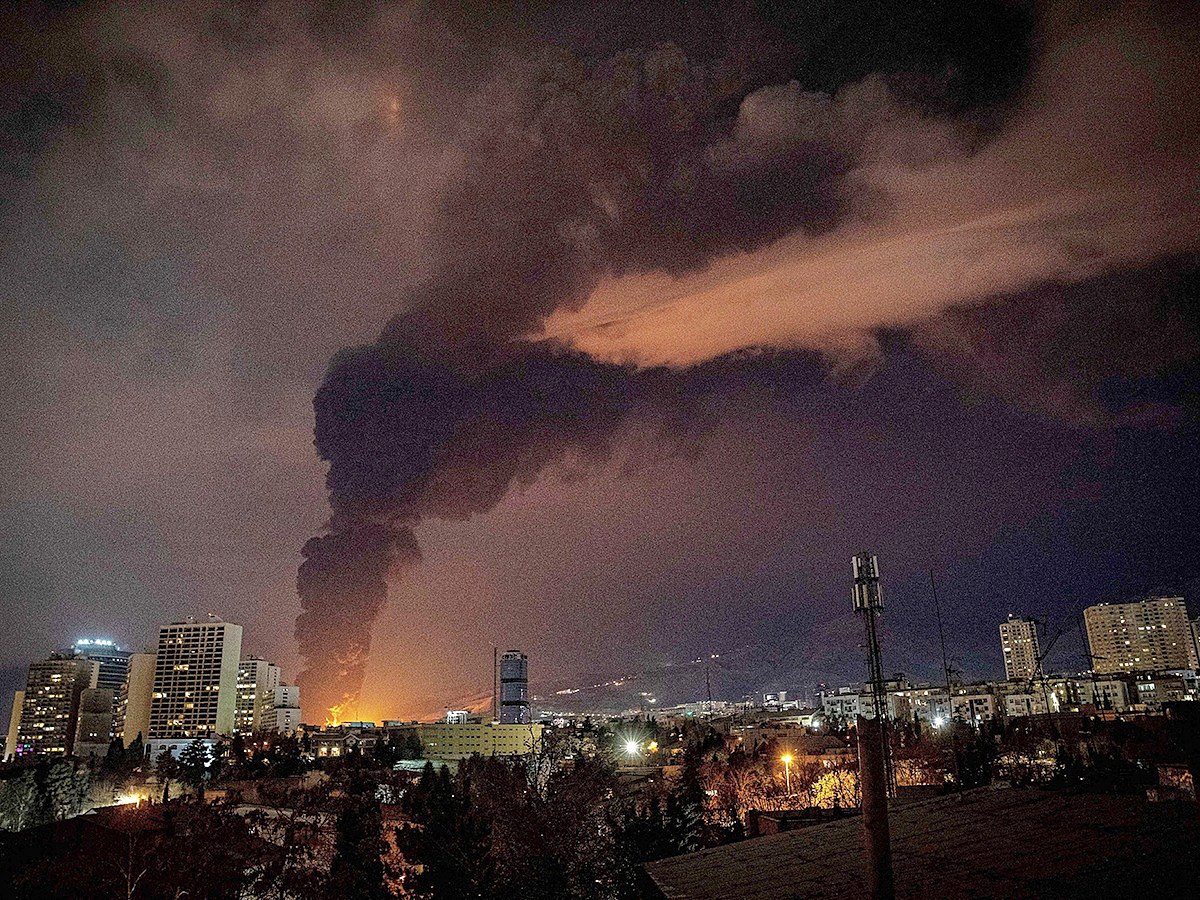
Israel and the United States carried out fresh strikes in Iran, including on the South Pars gas field, while Iran responded with missile attacks. Investors remain focused on the Strait of Hormuz, a critical artery for global energy flows.
US President Donald Trump has warned of further escalation if Iran does not reopen the strait, raising fears of prolonged disruption. At the same time, mediators from Egypt, Pakistan and Turkey have proposed a 45-day ceasefire, though neither Washington nor Tehran has responded.
Sign up for our daily business newsletter, Cheques & Balances.Analysts say each week without a ceasefire is lifting the potential price range. “The longer this continues, the more the impact on oil prices... every passing week is crucial,” said Anindya Banerjee of Kotak Securities.
$120–$130 seen as a near-term range if tensions persist
$150+ comes into play if disruption through Strait of Hormuz deepens
Further spikes cannot be ruled out in a prolonged conflict scenario
Supply risks dominate outlook
Estimates suggest disruptions could affect 8–10% of global oil supply and 15–20% of gas, leaving markets highly sensitive to escalation.
Tightening supply is already visible. Spot crude is trading at a $20–$30 premium over futures, signalling immediate shortages rather than just future risk.
OPEC+ has agreed to raise output by 206,000 barrels per day from May, but analysts say that increase is unlikely to offset near-term risks given the scale of potential disruption.
The group retains flexibility to adjust output, including pausing or reversing increases if conditions worsen.
Global response, broad impact
Oil has surged sharply since the conflict began five weeks ago, with US crude up more than 60% and Brent rising close to 50%.
The volatility is feeding into wider market concerns:
Higher inflation risks
Tighter financial conditions
Pressure on global growth if prices remain elevated
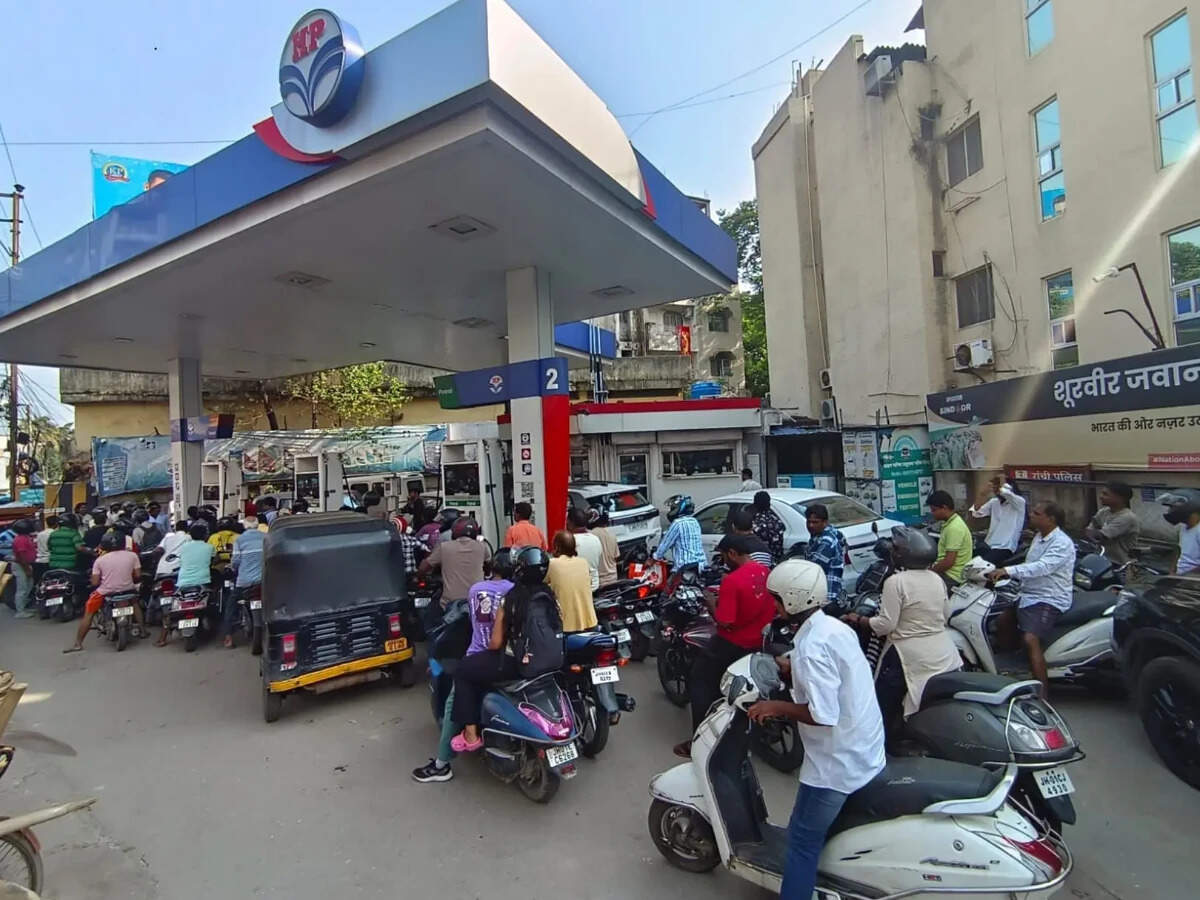
Governments are responding to supply risks. Japan has begun releasing strategic reserves and exploring alternative routes, while South Korea plans to deploy additional vessels to secure shipments from Saudi Arabia.
Jay Woods of Freedom Capital Markets said uncertainty is now the dominant theme in markets, replacing last year’s focus on tariffs.
No ceasefire, no cap
For now, oil is trading less on fundamentals and more on geopolitical risk. A ceasefire could stabilise prices quickly. Without one, the ceiling continues to rise.
Each escalation tightens supply expectations—and pushes the market closer to testing levels well above current ranges.
ملاحظة تحريرية | Editorial Note: نُشر هذا المقال في الأصل بواسطة Gulf News. خبر (Khabr) هي منصة إعلامية أردنية مرخّصة تعمل بالذكاء الاصطناعي. نضيف قيمة تحريرية من خلال: تحليل ذكي للأخبار، ملخصات تلقائية، رواية صوتية بالذكاء الاصطناعي، ترجمة متعددة اللغات، وتدقيق الحقائق. هدفنا جعل الأخبار أكثر وضوحاً وسهولةً للقارئ العربي.
This article was originally published by Gulf News. Khabr is a licensed Jordanian AI-powered news platform (Registration #82086). We add editorial value through: AI-powered news analysis, automated summaries, AI audio narration, multi-language translation (Arabic, English, French, Turkish), and AI fact-checking. Our mission is to make news more accessible and understandable for Arabic-speaking audiences worldwide.