
For over 40 days, talks about conflict punctuated daily life. Phones sent warnings at different times of the day and night, and most tried to adjust to a 'new normal' that slowly seeped into their routines.
While adults searched for ways to get through each day, they also had to find ways to calm their children.
Children, as it is, absorb tension from all around them, even if they cannot fully understand the geopolitics behind it. They don’t need to, the expressions on their parents’ faces often say enough.
However, parents are made of a different mettle. While comforting their children in the best way that they could, they also found different options to keep them a little busy and tire them out, so that they wouldn't have to constantly worry about the conflict.
For instance, 37-year-old Dubai-based Irfan Haider, a Pakistani expat, decided to enrol his children for swimming classes, in the Star Academy right next door. “It definitely tired them out, and they get to use all their extra energy,” he notes.

A little football fun and structure
Football, for sure, can never let your child down.
For Dubai-based Nicola Craddock, a mother of two, community support has made a noticeable difference. Living in Emaar South, she says, the Football Clinic has opened up sessions for children in the neighbourhood, offering a much-needed release. “A local PE teacher is running weekly sessions in our community park for children too,” she adds.
And that’s where Dubai-based John Coulter and Andrew Dixon come in, through the academy they run, which is The Football Clinic. They quickly realised that, amid the war, children’s routines had been disrupted. There was growing social anxiety, and many children were visibly unsettled.
As Coulter explains, “We started offering free sessions, in different community locations like Mirdif and Dubai South. And as it progressed, it transitioned to pay as you play to the situation continued, which allowed a certain flexibility to the players who were already committed elsewhere,” he says. So the main focus was maintaining a structure and routine, so it could be a positive environment where children can learn, socialise and play football.
Moreover as he notes, “It gave the parents a break and respite, between balancing working and daily life too,” he says.
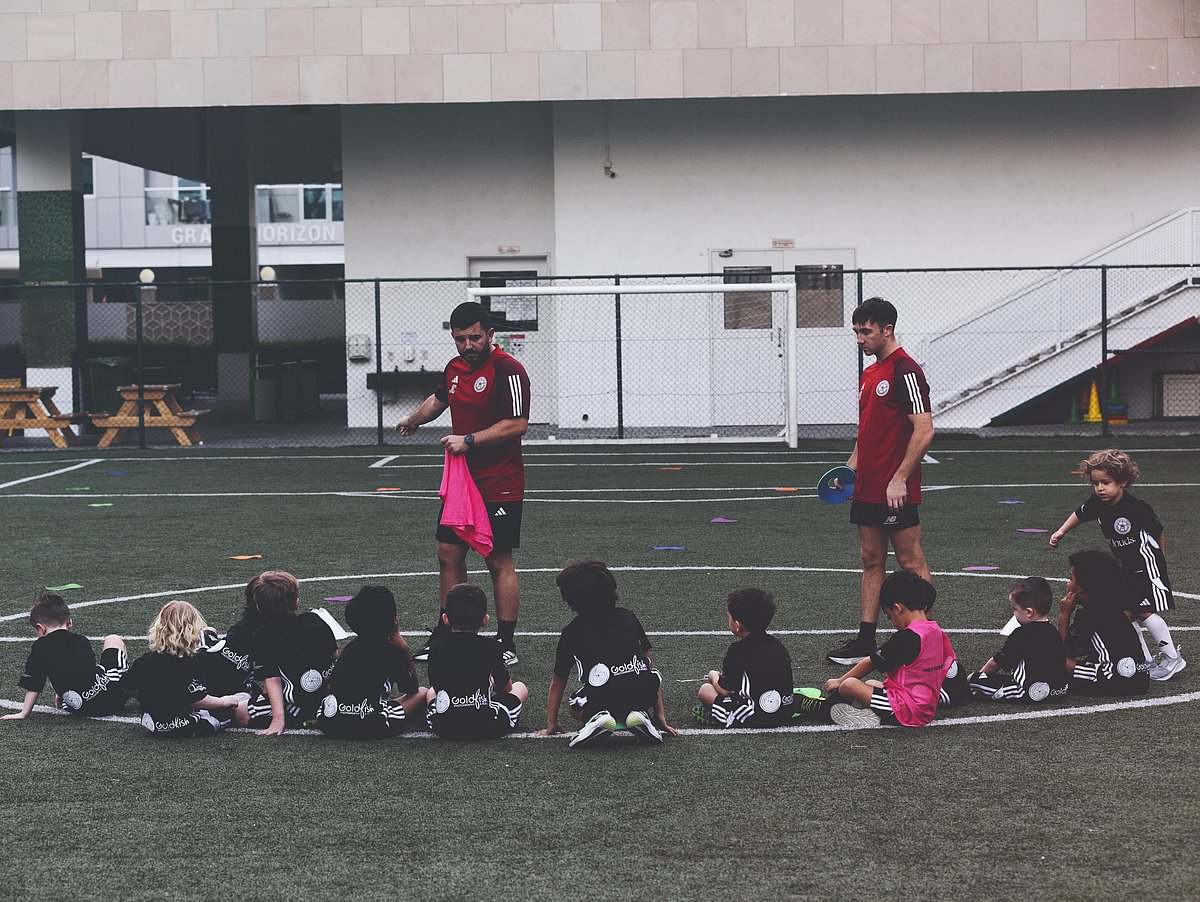
And now, Coulter and Dixon are also launching a four-week well-being session, which will start this weekend for the next four weekends, where they will have workshops on strength and nutrition for children aged eight and above.
There’s also the promise of soft indoor play for around two hours, where younger players can socialise, and just have fun. Finally, there is a footgolf event for players and parents to complete, which works as a strong bonding exercise too.
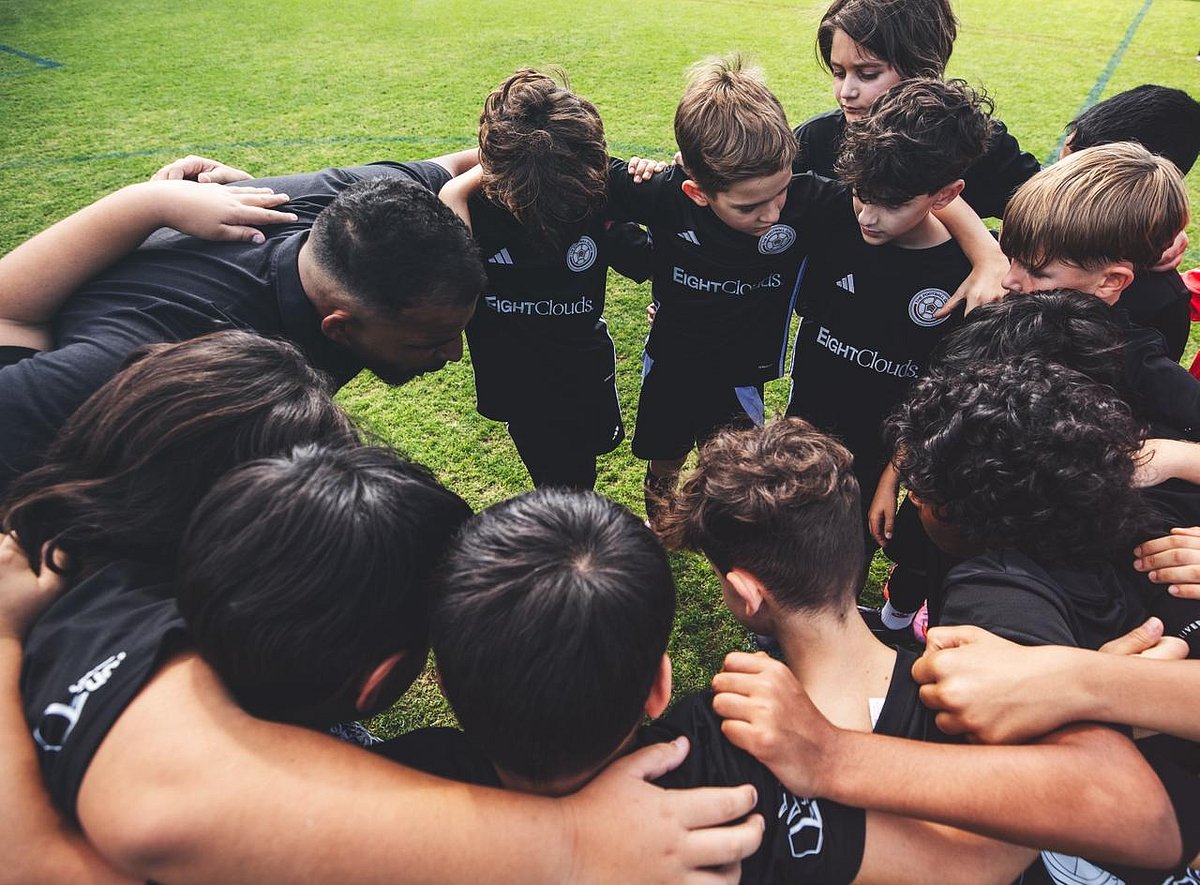
While football and swimming remain popular choices, some families are exploring alternatives that offer a different kind of physical engagement. At Parkour DXB, structured parkour classes for children aged three to 17 focus on movement, coordination and confidence-building, while giving children another way to stay active and interact with their peers.
Tapping into the creative side

Apart from keeping their children physically active, families like Haider’s also looked for alternatives such as sand art and interactive books with felt flaps. “They really love it,” Haider says. For parents, such options offer a way to hold a child’s attention for longer stretches at home.
Publishers such as Nosy Crow have increasingly focused on books that mix storytelling with play. The publisher tells us that the titles, itself, are designed to engage young readers while supporting early development, including motor skills and vocabulary. Its Stories Aloud audiobooks, for instance, incorporate music and sound cues to help children follow along independently.
And if you have a book like Bizzy Bear and the Suzy Cat, you know your child will be curious, at the very least. Many of the board books feature elements such as sliders or tracks that children can move across the page, often linked to simple tasks within the story. Pages also include prompts and objects to spot, encouraging language development and active participation.
In this way, such books serve as learning tools, with a dash of fun, offering a structured way for children to stay engaged. Dubai-based Anuja Singh vouches for their appeal: “These kinds of books have been so helpful during this time for my toddlers, as it gets difficult managing work and their online schooling. So, in the evenings, they find a way to just keep reading books that make some noise or teach them something. They laugh a lot, and that’s what matters,” she says.
Doodling for the sheer love of it
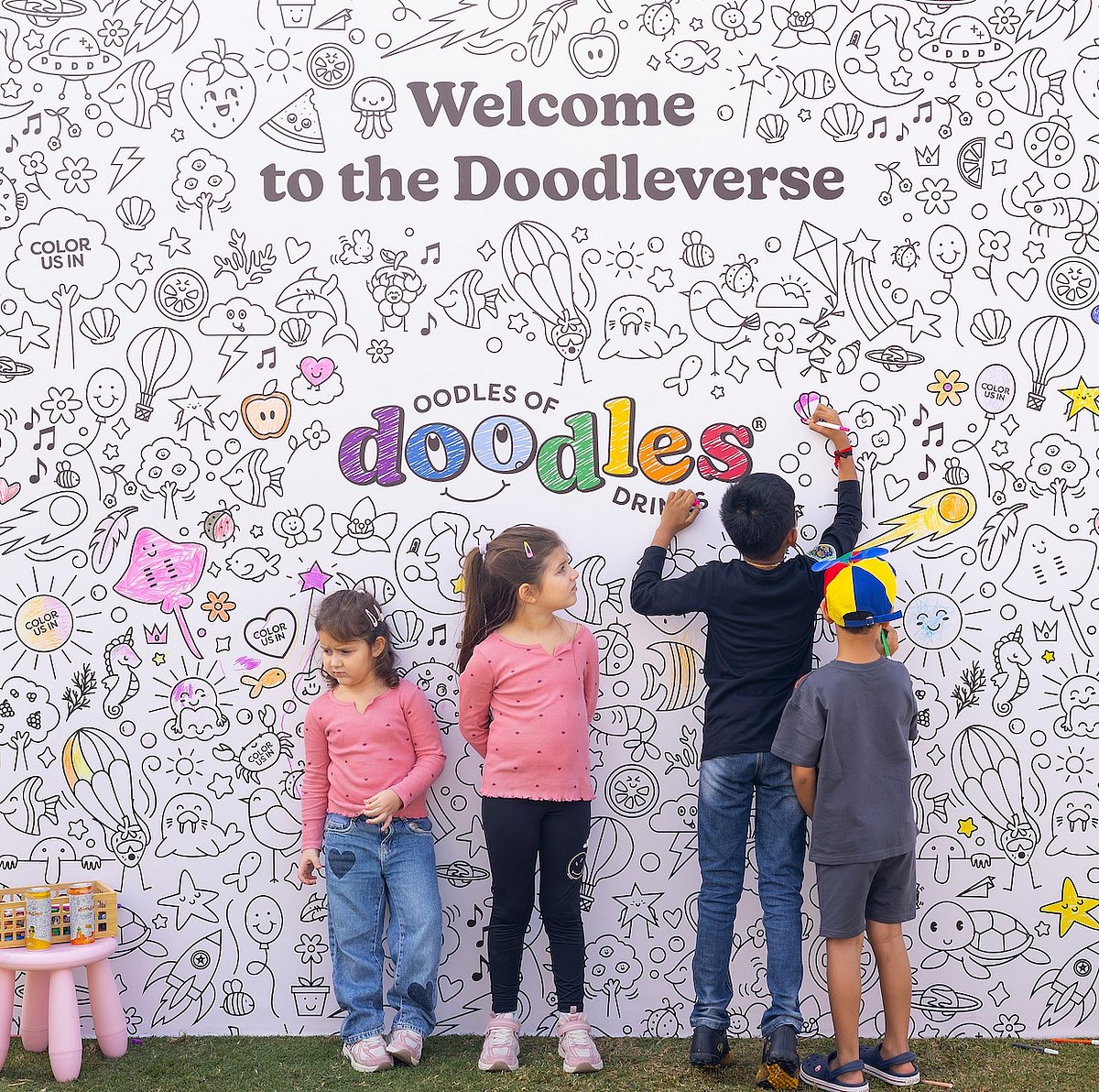
In 2020, when the pandemic disrupted daily life, Alisha Prydden-Eason, CEO and co-founder of Oodles of Doodles, was struck by an unusual source of inspiration. Looking for ways to reduce screen time and keep children engaged, she noticed her son Alfie picking up a water bottle and doodling on it. The moment went on to spark a creative concept that has since involved more than 1,500 children through tasting and design workshops.
In the current climate, she says, such creative outlets have taken on added importance. “Now, in times like these, we want to protect them, even if we don’t want them to know so much,” she explains. Even short bursts of activity, such as 20 minutes of doodling with paints, can offer children a little relief from any tension or stressful energy.
“We let them run free, and they bring their emotions into their doodles, especially now,” she says. As part of the initiative, children are encouraged to paint on reused water cans at simple colouring stations, often paired with refreshments. “They don’t need fancy outings; they just want a laugh,” she adds.
As for what children choose to draw, the patterns are telling. “They’re gravitating towards flowers and leaves. I think that brings them calm. It’s fun to watch, and each bottle acts as a canvas. We end up creating our own little pockets of community,” she says.

Why sport and activity bring a sense of rhythm
Jazz Ferguson, a professional basketball player, mental performance coach and teen mentor, explains that apaert from disrupted schedules, many children, particularly young athletes, are also experiencing a loss of identity. “When their normal outlets are removed, whether that’s school, sports, or social interaction, it can lead to frustration, low motivation, and even a dip in confidence,” he says.
His advice is to replace what has been lost with intentional structure. Motivation, he adds, is not something to wait for, but something built through small, consistent actions. “I always encourage families to create a simple daily rhythm: A set wake-up time, designated learning blocks, movement or physical activity, and moments for mental reset. Even light structure gives children a sense of control, which is critical in uncertain times. For parents, it’s less about enforcing perfection and more about reinforcing consistency and effort,” he says.

Communication, too, plays a key role. “Children may not always express it clearly, but they feel the shift. Creating space for open conversations without judgment allows them to process what’s going on,” he adds. He also encourages parents to focus on progress over performance, celebrating small wins such as completing a task or staying focused.
Ultimately, he says, these moments can help build a sense of fortitude. “Just like in sport, adversity can either break rhythm or build strength. With the right support, distance learning can become a training ground not just for academics, but for discipline, independence, and confidence that will carry far beyond the classroom.”