How a pill approved 25 years ago transformed cancer treatment
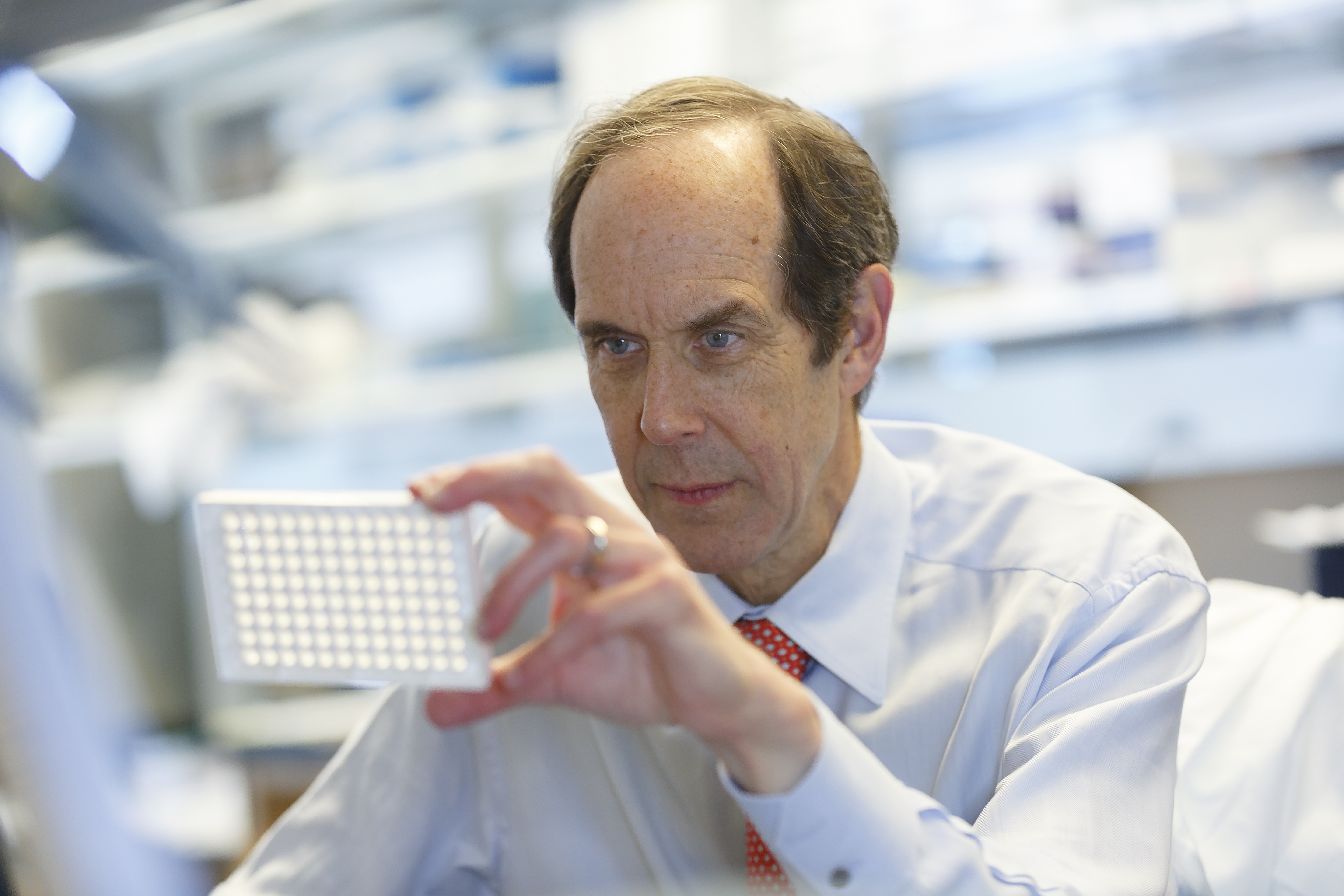
Health How a pill approved 25 years ago transformed cancer treatment May 10, 20267:00 AM ET By Sydney Lupkin Dr. Brian Druker, director of the Knight Cancer Institute at Oregon Health & Science University, championed the drug that became Gleevec. Kristyna Wentz-Graff/Oregon Health & Science University hide caption toggle caption Kristyna Wentz-Graff/Oregon Health & Science University Get the latest on the science of healthy living in the NPR Health newsletter, sent weekly. When Mel Mann was diagnosed with cancer at 37 years old, he was told he'd have three years to live. Short Wave Cancer is no longer a death sentence, but treatments still have a long way to go It was January 1995. He was an Army major based in Detroit and thought the back pain he had been experiencing for six months had something to do with working out. But an MRI scan showed there was a problem with his bone marrow. He had an aggressive blood cancer called chronic myeloid leukemia. "I was shocked because that was the first time I had to face my own mortality," says Mann. "Immediately you're going to think of your family," he says of the diagnosis. He realized his daughter would be 8 years old when he died. Her time with him looked scarce. "And, you know, I was trying to bargain for more." Sponsor Message So he volunteered for clinical trials of every experimental new drug he could. Some worked for a few months and then didn't. Mann lived longer than doctors expected, but he wasn't doing well. "By then, I was like, really tired," he says. "You know, I'd sleep for eight hours, drink two cups of coffee, wake up and feel like I never went to bed. And I … really lost a lot of weight. So I asked the doctor, were there any more drugs?" There was one: the drug that became Gleevec. Mann started taking it in August 1998, as part of a clinical trial. By the next June, he was running a marathon in Anchorage, Alaska. "I did it in a pretty decent time, too," he says. Gleevec would eventually becom...المصدر: NPR | Source: NPR
ملاحظة تحريرية | Editorial Note: نُشر هذا المقال في الأصل بواسطة NPR. خبر (Khabr) هي منصة إعلامية أردنية مرخّصة تعمل بالذكاء الاصطناعي. نضيف قيمة تحريرية من خلال: تحليل ذكي للأخبار، ملخصات تلقائية، رواية صوتية بالذكاء الاصطناعي، ترجمة متعددة اللغات، وتدقيق الحقائق. هدفنا جعل الأخبار أكثر وضوحاً وسهولةً للقارئ العربي.
This article was originally published by NPR. Khabr is a licensed Jordanian AI-powered news platform (Registration #82086). We add editorial value through: AI-powered news analysis, automated summaries, AI audio narration, multi-language translation (Arabic, English, French, Turkish), and AI fact-checking. Our mission is to make news more accessible and understandable for Arabic-speaking audiences worldwide.