⚡ عاجل: كريستيانو رونالدو يُتوّج كأفضل لاعب كرة قدم في العالم●⚡ أخبار عاجلة تتابعونها لحظة بلحظة على خبر●⚡ تابعوا آخر المستجدات والأحداث من حول العالم●
AI اقتراحات ذكية
AI مباشر|--مشاهد مباشر
1,060,987مقال401مصدر نشط228قناة مباشرة3,938خبر اليوم
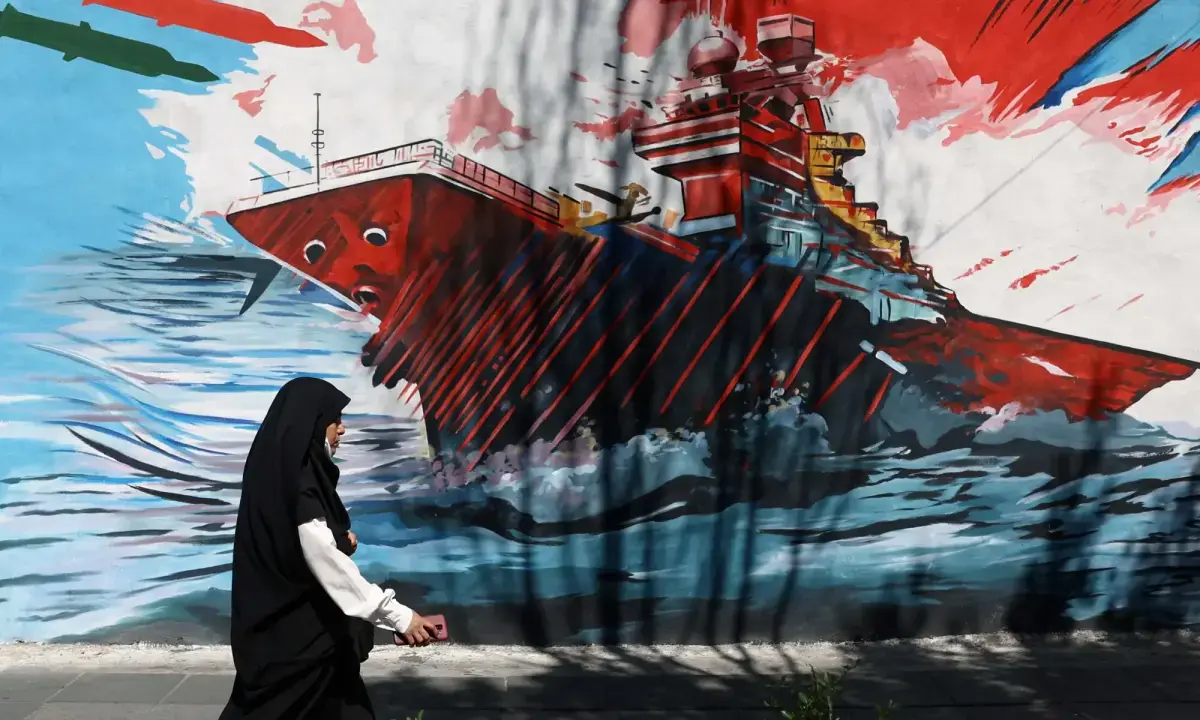
•THE fragile ceasefire between Iran and the US may have slowed the fighting, but the conflict driving it remains unresolved.
•Interior Minister Mohsin Naqvi’s meetings in Tehran over the weekend show the urgency of the crisis and the narrowing space for diplomacy.
•Even as President Donald Trump warned that “the clock is ticking” for Iran, reports suggest diplomacy may already have helped avert another escalation after Tehran submitted a revised proposal through...
هذا الخبر من Dawn. خبر يقدم أدوات ذكاء اصطناعي للتلخيص والترجمة والاستماع.
THE fragile ceasefire between Iran and the US may have slowed the fighting, but the conflict driving it remains unresolved. Interior Minister Mohsin Naqvi’s meetings in Tehran over the weekend show the urgency of the crisis and the narrowing space for diplomacy.
Even as President Donald Trump warned that “the clock is ticking” for Iran, reports suggest diplomacy may already have helped avert another escalation after Tehran submitted a revised proposal through Islamabad. That underlines how consequential Pakistan’s role has become.
Islamabad is increasingly acting as a conduit through which proposals move between Tehran and Washington. Prime Minister Shehbaz Sharif’s contacts with Qatar and Egypt further demonstrate Pakistan’s attempt to position itself at the centre of regional diplomacy when few reliable communication channels remain open.
The negotiations themselves, however, remain deeply troubled. Iranian media reports suggest Washington’s latest proposal still demands sweeping nuclear concessions while offering little relief in return. Tehran is reportedly being asked to scale back much of its nuclear infrastructure, transfer enriched uranium abroad and begin talks before broader hostilities end. Iran, meanwhile, continues demanding sanctions relief, access to frozen assets, reparations for wartime damage and guarantees against future attacks.
Yet beneath the public posturing, there are faint signs both sides may be probing for compromise. Reports indicate Iran may be willing to suspend parts of its nuclear programme, transfer some enriched uranium abroad and gradually reopen the Strait of Hormuz if sanctions are eased and security guarantees materialise. Publicly, however, neither Washington nor Tehran wishes to appear politically weakened by flexibility.
The Strait of Hormuz has become the real centre of the confrontation. Earlier phases of the crisis revolved around nuclear restrictions. Today, the dispute concerns who shapes the Gulf’s security order and controls one of the world’s most vital energy corridors. Iran continues to use Hormuz as leverage while the US and Gulf states insist unrestricted navigation is non-negotiable.
This leaves the region hanging between diplomacy and renewed conflict. Gulf governments fear the economic consequences of another escalation, while Iran appears convinced that surviving months of military and economic pressure has strengthened its negotiating position. Washington, meanwhile, still seems to believe sustained pressure can force Tehran into larger concessions.
For Pakistan, mediation offers diplomatic relevance but also growing risk. The longer the crisis drags on, the harder it will become for Islamabad to balance relations with Tehran, Washington and the Gulf states. For now, the ceasefire survives because all sides understand the cost of its collapse. But unless negotiations soon give way to progress rather than competing ultimatums, the Middle East may be heading not towards peace, but a prolonged era of recurring crises.
ملاحظة تحريرية | Editorial Note:
نُشر هذا المقال في الأصل بواسطة Dawn.
خبر (Khabr) هي منصة إعلامية أردنية مرخّصة تعمل بالذكاء الاصطناعي.
نضيف قيمة تحريرية من خلال: تحليل ذكي للأخبار، ملخصات تلقائية، رواية صوتية بالذكاء الاصطناعي، ترجمة متعددة اللغات، وتدقيق الحقائق.
هدفنا جعل الأخبار أكثر وضوحاً وسهولةً للقارئ العربي.
This article was originally published by Dawn.
Khabr is a licensed Jordanian AI-powered news platform (Registration #82086).
We add editorial value through: AI-powered news analysis, automated summaries, AI audio narration, multi-language translation (Arabic, English, French, Turkish), and AI fact-checking.
Our mission is to make news more accessible and understandable for Arabic-speaking audiences worldwide.
هذا الخبر ضمن تغطية خبر لقسم سياسة.
نقدّم لك تحليلات ذكية وملخصات يومية لأهم الأخبار من مصادر موثوقة متعددة.
المصدر: Dawn.
يوجد 6 مقالات مرتبطة بهذا الموضوع.
This article is part of Khabr's coverage of Politics.
We provide AI-powered analysis, summaries, and multi-source aggregation to keep you informed.
Source: Dawn.
Tags: politics, Iran, Gulf.
🍪 نستخدم ملفات تعريف الارتباط لتحسين تجربتك وعرض الإعلانات المخصصة. باستخدامك للموقع، فإنك توافق على سياسة ملفات تعريف الارتباط وسياسة الخصوصية.
We use cookies to enhance your experience and show personalized ads. By using this site, you agree to our Cookie Policy and Privacy Policy.
🔍
FREEFree 1GB Internet + Free International Calls
$1 trial — eSIM in 190+ countries — No roaming charges