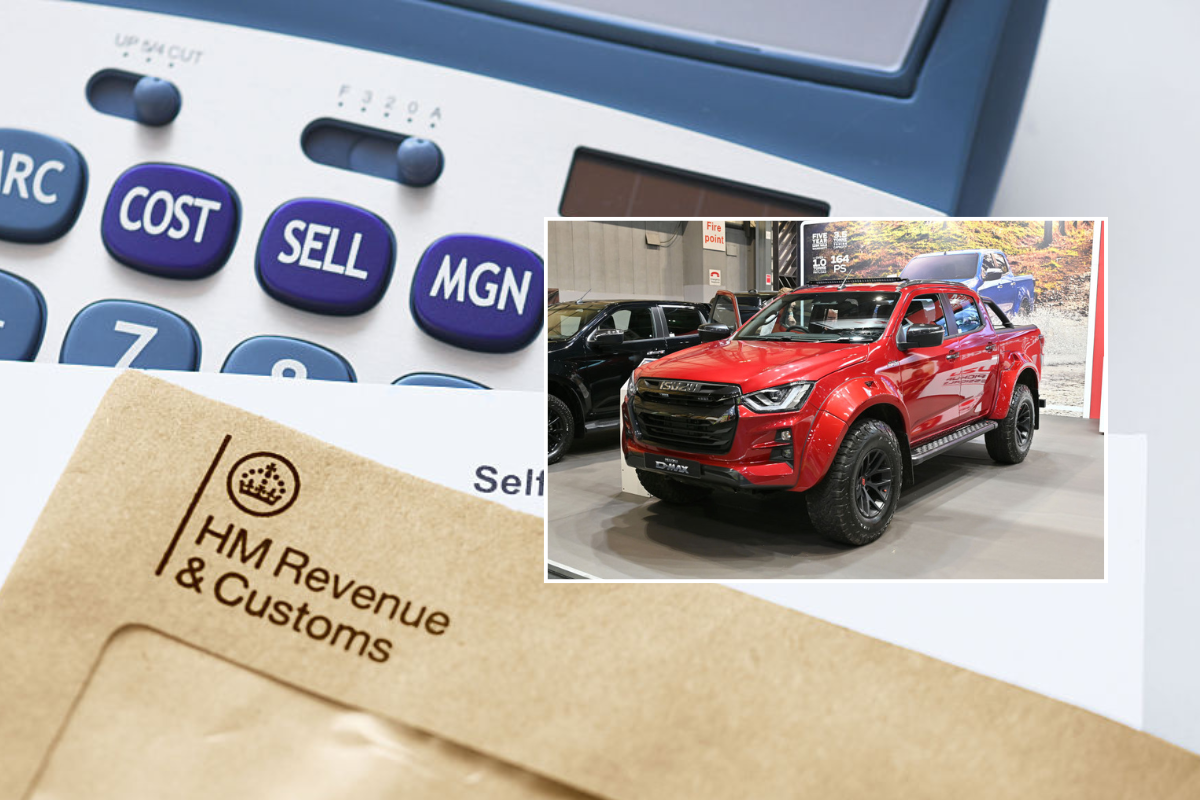
HMRC considers car tax shake-up to save drivers thousands on popular models as pressure mounts to go electric
•Businesses may soon be able to reclaim thousands of pounds in tax on electric double-cab pickup trucks under proposed changes being considered by HMRC.Officials have begun considering easing strict VA...
•If they fall short, they are treated as cars, meaning firms cannot reclaim VAT on the purchase.
•But electric pickups often struggle to meet that threshold due to the added weight of their batteries, even if they are otherwise built for work use.
هذا الخبر من GB News. خبر يقدم أدوات ذكاء اصطناعي للتلخيص والترجمة والاستماع.
المصدر: GB News | Source: GB NewsBusinesses may soon be able to reclaim thousands of pounds in tax on electric double-cab pickup trucks under proposed changes being considered by HMRC.
Officials have begun considering easing strict VAT rules currently blocking many electric models from qualifying as commercial vehicles, simply because their heavy batteries push them over the weight limit.
At present, double cab pick-ups must carry a payload of at least one tonne to be classed as a van for VAT purposes. If they fall short, they are treated as cars, meaning firms cannot reclaim VAT on the purchase.
But electric pickups often struggle to meet that threshold due to the added weight of their batteries, even if they are otherwise built for work use.
TRENDINGStoriesVideosYour SayNow, according to reports, HMRC has confirmed it will look to review the rules following industry pressure.
A spokesman for HMRC told Fleet News: "The Society of Motor Manufacturers and Traders set out the commercial challenges faced by manufacturers of double cab pick-up vehicles in meeting the current payload tonnage requirement for electric vehicles, given the size and weight of batteries.
"SMMT has submitted a proposal suggesting a reduced payload threshold for electric DCPUs, which would allow them to be treated as commercial vehicles and enable VAT recovery on the purchase price. We are considering this proposal."
But while no final decision has been made yet, if the changes go ahead, the impact could be significant for businesses switching to electric fleets.
Some popular electric pick-ups currently miss the one-tonne cut-off, including models like the Maxus eTerron 9 and KGM Musso EV, as well as the upcoming Toyota Hilux EV.
Other models, such as the Maxus T90 EV and Isuzu D-Max EV, already meet the requirements and qualify for VAT recovery. For companies buying lower-payload models, the rule change could unlock major savings.
For example, businesses purchasing a Musso EV, priced at just under £40,000 after the Government's £5,000 Zero Emission Grant, could reclaim nearly £8,000 in VAT if the rules are relaxed.
The potential tax break comes as wider changes to pick-up taxation have already caused confusion across the industry.
LATEST DEVELOPMENTS
- Millions caught breaking major driving law as offenders face £300 fine for travelling without insurance
- DVSA confirms new licence changes launching within days impacting thousands of motorists
- Petrol and diesel drivers look to 'scrap' cars as Rachel Reeves' taxes push £760 bill onto thousands
Since April 2025, most double-cab pick-ups have been treated as cars for Benefit-in-Kind tax purposes a separate system used to calculate company car tax for employees.
This shift followed a legal ruling which found many pick-ups are equally suited to carrying passengers and goods, meaning they should default to being classified as cars.
However, VAT rules have remained tied to the one-tonne payload test, creating a mismatch between the two systems. Despite being classed as cars for BIK, electric pick-ups still benefit from low company car tax rates, with drivers typically paying just 4 per cent.
Industry groups warned aligning the VAT rules with the realities of EV design would be essential to support the transition away from diesel.
A spokesman for the SMMT said it regularly engages with HMRC to support a competitive market, but declined to comment on the specific proposal.
For now, businesses are being told to wait. HMRC has made clear discussions are ongoing and there is no guarantee the rules will change.
But with EVs central to the UK's net zero plans under the Zero Emission Vehicle mandate, pressure is mounting for a solution that reflects how modern pick-ups are built.
Under the mandate, at least 33 per cent of new car sales this year will need to be electric before moving to 100 per cent in 2030.
Our Standards: The GB News Editorial Charter
ملاحظة تحريرية | Editorial Note: نُشر هذا المقال في الأصل بواسطة GB News. خبر (Khabr) هي منصة إعلامية أردنية مرخّصة تعمل بالذكاء الاصطناعي. نضيف قيمة تحريرية من خلال: تحليل ذكي للأخبار، ملخصات تلقائية، رواية صوتية بالذكاء الاصطناعي، ترجمة متعددة اللغات، وتدقيق الحقائق. هدفنا جعل الأخبار أكثر وضوحاً وسهولةً للقارئ العربي.
This article was originally published by GB News. Khabr is a licensed Jordanian AI-powered news platform (Registration #82086). We add editorial value through: AI-powered news analysis, automated summaries, AI audio narration, multi-language translation (Arabic, English, French, Turkish), and AI fact-checking. Our mission is to make news more accessible and understandable for Arabic-speaking audiences worldwide.