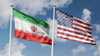
Historic U.S.-Iran Peace Agreement Achieved Through Pakistan's Diplomatic Mediation
المصدر: خبر - ترند | Source: خبر - ترندIntroduction
In a significant diplomatic breakthrough, the United States has agreed to a peace deal with Iran, facilitated by the mediation efforts of Pakistan. This agreement marks a potential turning point in the long-standing tensions between Washington and Tehran, which have been characterized by sanctions, military threats, and geopolitical rivalry.
The Mediation Efforts of Pakistan
Pakistan, with its unique position as a close ally of both the U.S. and Iran, has played a crucial role in bringing the two nations to the negotiating table. The mediation process began several months ago, with Pakistani officials engaging in discreet dialogues aimed at addressing mutual concerns. The involvement of Pakistan is seen as a testament to its diplomatic capabilities and its commitment to fostering peace in a region often riddled with conflict.
Key Components of the Peace Agreement
The agreement includes several key components aimed at de-escalating tensions and promoting cooperation. Firstly, both countries have agreed to re-establish diplomatic channels that have been dormant since the U.S. withdrew from the Joint Comprehensive Plan of Action (JCPOA) in 2018. Additionally, the deal involves a phased approach to lifting sanctions, contingent on Iran's compliance with nuclear non-proliferation commitments.
Implications for Regional Stability
This U.S.-Iran peace deal has significant implications for regional stability in the Middle East. Analysts believe that improved relations between these two nations could lead to greater cooperation in combating terrorism, addressing the humanitarian crisis in Yemen, and contributing to the overall security of the Persian Gulf. Moreover, a stable Iran could help mitigate the influence of extremist groups that thrive on chaos and instability.
Responses from Global Leaders
The international community has reacted positively to the news of the peace agreement. Leaders from various countries have expressed hope that this deal will pave the way for further diplomatic interactions between the U.S. and Iran, as well as with other nations in the region. Notably, the European Union has welcomed the agreement, emphasizing the importance of dialogue in resolving conflicts.
Looking Ahead
As both nations prepare to implement the terms of the agreement, the coming weeks will be critical in determining the future of U.S.-Iran relations. The success of this peace deal will depend on the willingness of both sides to engage in constructive dialogue and uphold their commitments. For now, this historic agreement offers a glimmer of hope for a more peaceful future in the region.
ملاحظة تحريرية | Editorial Note: نُشر هذا المقال في الأصل بواسطة خبر - ترند. خبر (Khabr) هي منصة إعلامية أردنية مرخّصة تعمل بالذكاء الاصطناعي. نضيف قيمة تحريرية من خلال: تحليل ذكي للأخبار، ملخصات تلقائية، رواية صوتية بالذكاء الاصطناعي، ترجمة متعددة اللغات، وتدقيق الحقائق. هدفنا جعل الأخبار أكثر وضوحاً وسهولةً للقارئ العربي.
This article was originally published by خبر - ترند. Khabr is a licensed Jordanian AI-powered news platform (Registration #82086). We add editorial value through: AI-powered news analysis, automated summaries, AI audio narration, multi-language translation (Arabic, English, French, Turkish), and AI fact-checking. Our mission is to make news more accessible and understandable for Arabic-speaking audiences worldwide.