Reem Al Bostami did not have the right hardware. The tools she needed were at the university, the campus was closed, and the concept of machine learning was far less accessible than it is today. The world was in lockdown. She built her application anyway.
HearMe, an AI-powered multilingual sign language translation platform co-created by Al Bostami during her undergraduate studies, has been awarded a patent. The application translates signed gestures into written text and converts typed text into animated sign language in real time, across multiple sign systems including American and French sign languages.
Stay up to date with the latest news. Follow KT on WhatsApp Channels.
"It feels surreal," Al Bostami told Khaleej Times. "Getting my degree was already a big milestone, but being able to go beyond that and contribute to something meaningful beyond academics, through work that helps people, made it even more rewarding. I've always wanted to do something significant, not just academically, but through projects that create tangible, real-world impact. That mindset is what pushed me into software development in the first place."

Reem Al Bostami
The technology addresses a problem that Dr Modafar Ati, Associate Professor of Computer Science at Abu Dhabi University and Al Bostami's collaborator on the project highlighted, which many people do not see while dealing with persons with these impairments.
"Imagine trying to order coffee or asking a pharmacist a question," Ati told Khaleej Times. "For millions of sign language users, even a simple two-way conversation remains a barrier. What gets missed is all the spontaneous conversations, the side comment in a meeting, the question a student raises in class. These moments happen in seconds, but for a person with hearing impairment, each one requires extra effort, patience, or support from others," he said.
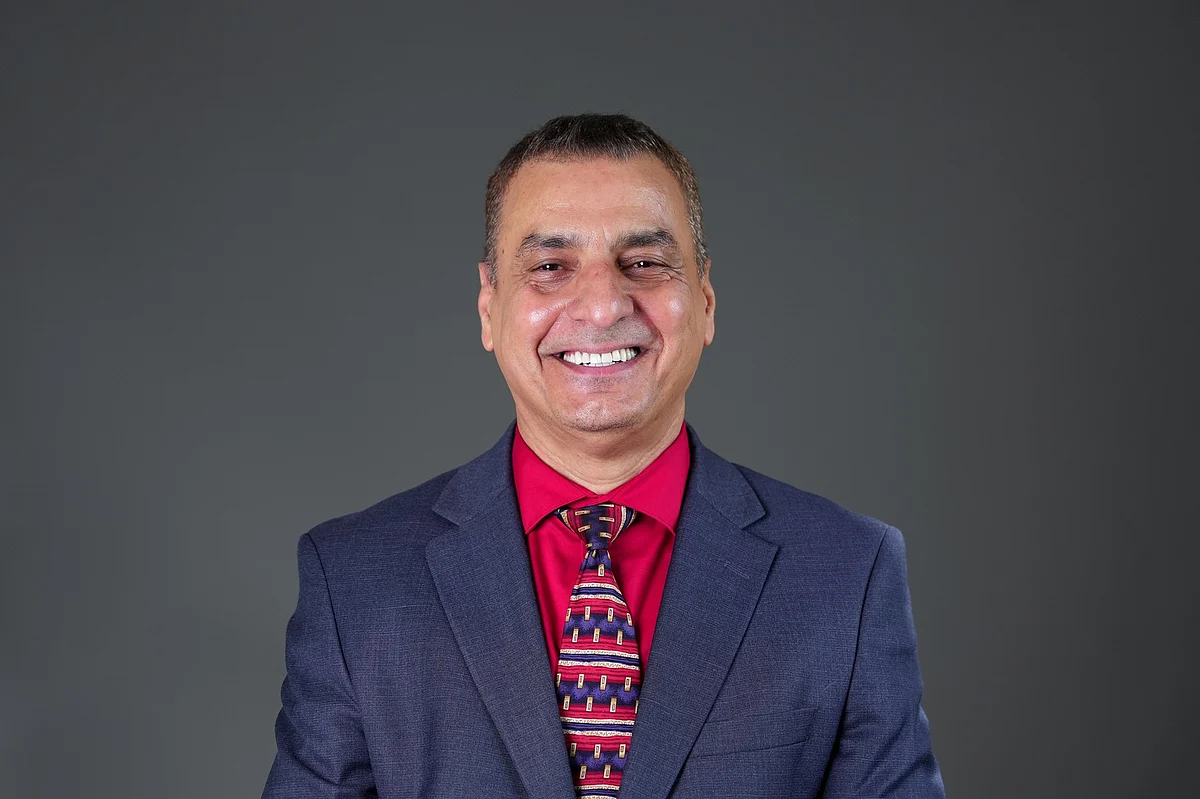
Dr Modafar Ati
Over 430 million people worldwide live with disabling hearing loss, a figure the WHO projects will exceed 700 million by 2050. Over time, many withdraw from conversations not because they lack things to say but because staying in them has become too costly and too difficult to pursue.
HearMe targets that specific gap. Its bidirectional real-time translation is built for the spontaneous and the immediate: the classroom exchange, the hospital consultation, the workplace meeting, the government service counter. The system interprets continuous hand motion and gesture in context, then generates natural animated sign language output from text, a technically harder problem than translation alone.
Al Bostami built the early version from scratch, at home, during a global pandemic, working through machine learning libraries and tools she was encountering for the first time.
"The hardest part was learning about machine learning and AI from scratch, at a time when the field wasn't as mature or widely accessible as it is today," she said. "Access to resources was limited, most of the hardware and tools I needed were at university and I didn't have the same setup at home. The initial implementation involved a lot of trial and error before things started to come together. It was challenging, but also more rewarding because of that."
Ati sees the patent as confirmation of something larger than a single product. "HearMe was developed with a clear purpose, to facilitate accessible communication and address real-world challenges, strengthening the participation of individuals with hearing impairments in academic and professional environments," he said. "We take pride in this not just as a technical achievement, but as a contribution to the UAE's national priorities of inclusion, accessibility, and sustainable development."
For Al Bostami, the significance of doing that work in Abu Dhabi is personal. "I genuinely want to give back to the city I grew up in and consider home, I've always seen Abu Dhabi as a hub for technology and development, and I wanted to be part of that progress. Being able to contribute within my own field makes it even more meaningful."
HearMe aligns with a much broader UAE National Policy for Empowering People of Determination. ADU has confirmed plans to continue developing the platform alongside broader inclusion initiatives, with further rollout across academic and professional environments ahead.