Gulf war erodes 90pc investment in T-bills
المصدر: Dawn | Source: DawnKARACHI: The Gulf War has begun to affect the Pakistani economy as hopes for an early recovery diminish with the conflict’s increasing intensity each day.
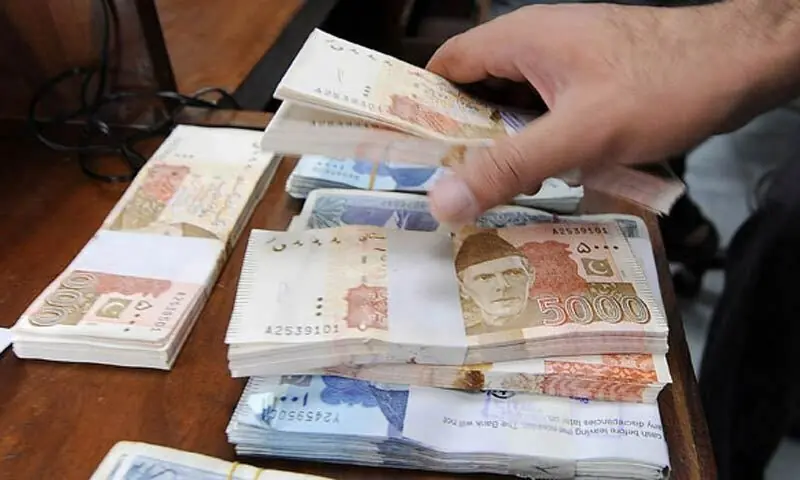
The latest data from the State Bank showed that 90 per cent of foreign investment in domestic bonds had been withdrawn.
Local investments in treasury bills are increasing as returns have risen to 11.5 per cent compared to the SBP’s policy rate of 10.5pc.
This makes them very attractive to foreign investors, but a war ongoing for more than 35 days has undermined their confidence.
The data showed total inflows in the first nine months of FY26 were Rs886.7 million, while the outflows were $794m (almost 90pc), leaving a meagre $93m invested.
Analysts said that outflows from domestic bonds would have limited impact, but the withdrawal of deposits from the State Bank account by friendly countries could pose a serious threat to Pakistan’s foreign exchange reserves. Reports indicate that the UAE government is hesitant to rollover $2 billion maturing this month.
China and Saudi Arabia also contribute to the SBP’s foreign exchange reserves. It is unclear what will happen to the loans other than those from the UAE. Low foreign exchange reserves of the State Bank could severely impact the exchange rate, which has been successfully maintained stable for over a year.
Exports to the Middle East have declined, while importers are complaining about difficulties in obtaining dollars.
“The war has created many economic challenges for Pakistan. It’s not only the foreign exchange but the spiral effect of higher prices of petroleum products could hit the poor masses on a large scale,” said an expert, adding that the industry has also come under serious threat from the high cost of production.
The SBP data showed that $227m was withdrawn from T-bills in the first 27 days of March, compared to an inflow of $19m, indicating weak investor confidence.
The highest outflow of investment from the T-bills was $281m, which returned to the UK. Likewise, the outflows for the UAE were $209m; Bahrain $170m, Singapore $77.6m, and the US $32m.
Published in Dawn, April 5th, 2026
ملاحظة تحريرية | Editorial Note: نُشر هذا المقال في الأصل بواسطة Dawn. خبر (Khabr) هي منصة إعلامية أردنية مرخّصة تعمل بالذكاء الاصطناعي. نضيف قيمة تحريرية من خلال: تحليل ذكي للأخبار، ملخصات تلقائية، رواية صوتية بالذكاء الاصطناعي، ترجمة متعددة اللغات، وتدقيق الحقائق. هدفنا جعل الأخبار أكثر وضوحاً وسهولةً للقارئ العربي.
This article was originally published by Dawn. Khabr is a licensed Jordanian AI-powered news platform (Registration #82086). We add editorial value through: AI-powered news analysis, automated summaries, AI audio narration, multi-language translation (Arabic, English, French, Turkish), and AI fact-checking. Our mission is to make news more accessible and understandable for Arabic-speaking audiences worldwide.