⚡ عاجل: كريستيانو رونالدو يُتوّج كأفضل لاعب كرة قدم في العالم●⚡ أخبار عاجلة تتابعونها لحظة بلحظة على خبر●⚡ تابعوا آخر المستجدات والأحداث من حول العالم●
AI اقتراحات ذكية
AI مباشر|--مشاهد مباشر
937,484مقال401مصدر نشط228قناة مباشرة4,747خبر اليوم
آخر تحديث:منذ ثانية
Gold buyers are moving away from jewellery and buying this instead
•Dubai: Gold demand is expected to remain firmly supported through 2026 as geopolitical risks, inflation concerns and high prices continue to push investors toward bars, coins and exchange-traded funds...
•(Check latest UAE gold prices , alongside prices in , , , , , and .)Sign up for our daily business newsletter, Cheques & Balances.The World Gold Council said investm...
•Jewellery demand, meanwhile, is likely to stay under pressure because record prices are forcing consumers to buy lighter pieces or shift toward lower-premium investment products.Get updated faster and...
هذا الخبر من Gulf News. خبر يقدم أدوات ذكاء اصطناعي للتلخيص والترجمة والاستماع.
Dubai: Gold demand is expected to remain firmly supported through 2026 as geopolitical risks, inflation concerns and high prices continue to push investors toward bars, coins and exchange-traded funds, even while jewellery buyers cut back on the amount of gold they purchase. (Check latest UAE gold prices , alongside prices in , , , , , and .)
Sign up for our daily business newsletter, Cheques & Balances.
The World Gold Council said investment demand and central bank buying are likely to remain the main pillars of the market this year, with Asian buyers expected to play a larger role. Jewellery demand, meanwhile, is likely to stay under pressure because record prices are forcing consumers to buy lighter pieces or shift toward lower-premium investment products.
Get updated faster and for FREE: Download the Gulf News app now - simply click here.
The outlook follows a first quarter in which global gold demand, including over-the-counter investment and stock changes, rose 2% year on year to 1,231 tonnes. The value of demand jumped 74% to a quarterly record of $193 billion, showing how high prices have changed the way consumers and investors are approaching the metal.
Investors take the lead
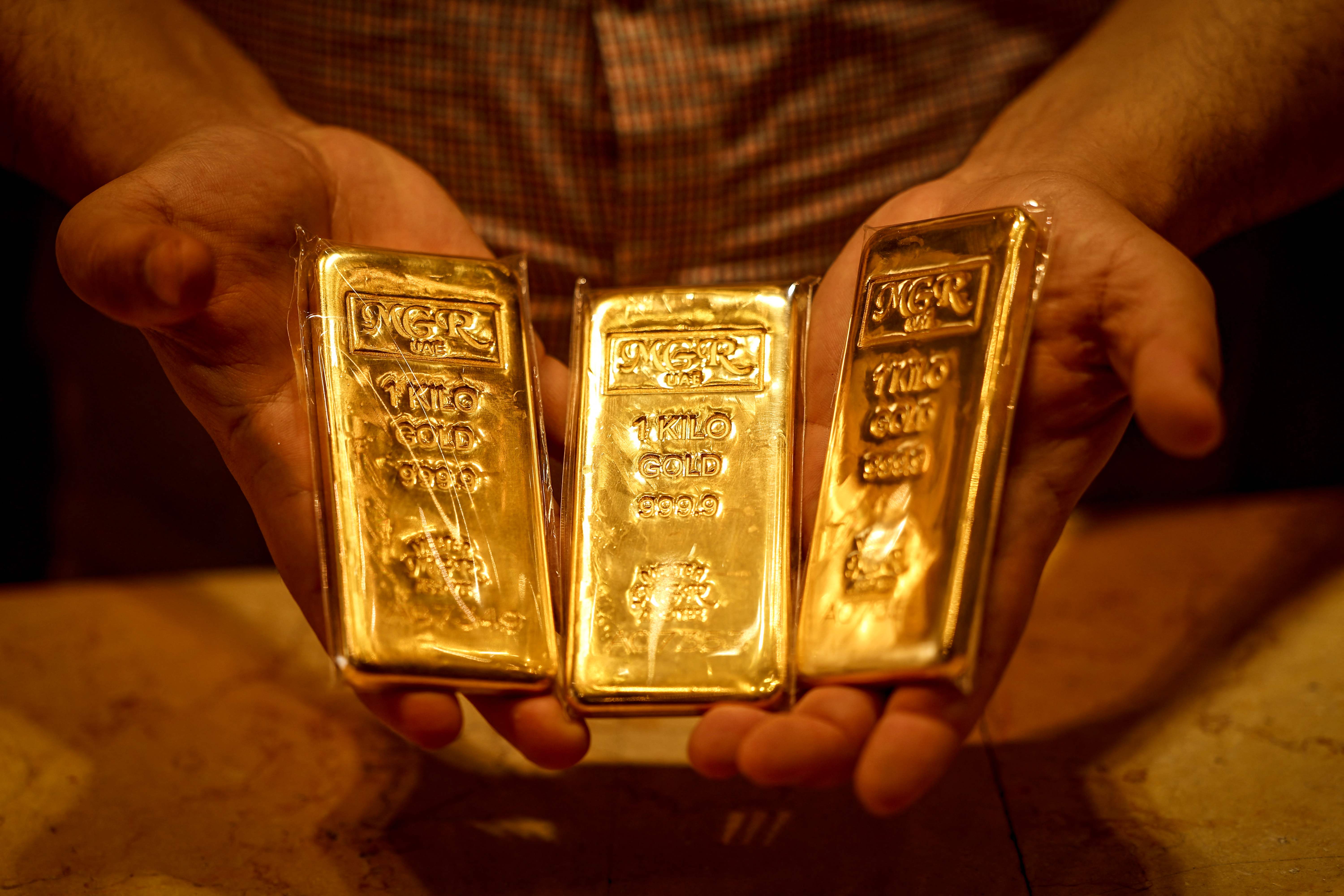
The clearest shift in the first quarter came from retail investors. Bar and coin demand rose 42% year on year to 474 tonnes, making it the second-highest quarter on record for that category in the World Gold Council’s data series.
China led that move, with bar and coin demand rising 67% year on year to a record 207 tonnes. India, South Korea and Japan also recorded stronger investment demand, while the US and Europe saw gains of 14% and 50%, respectively.
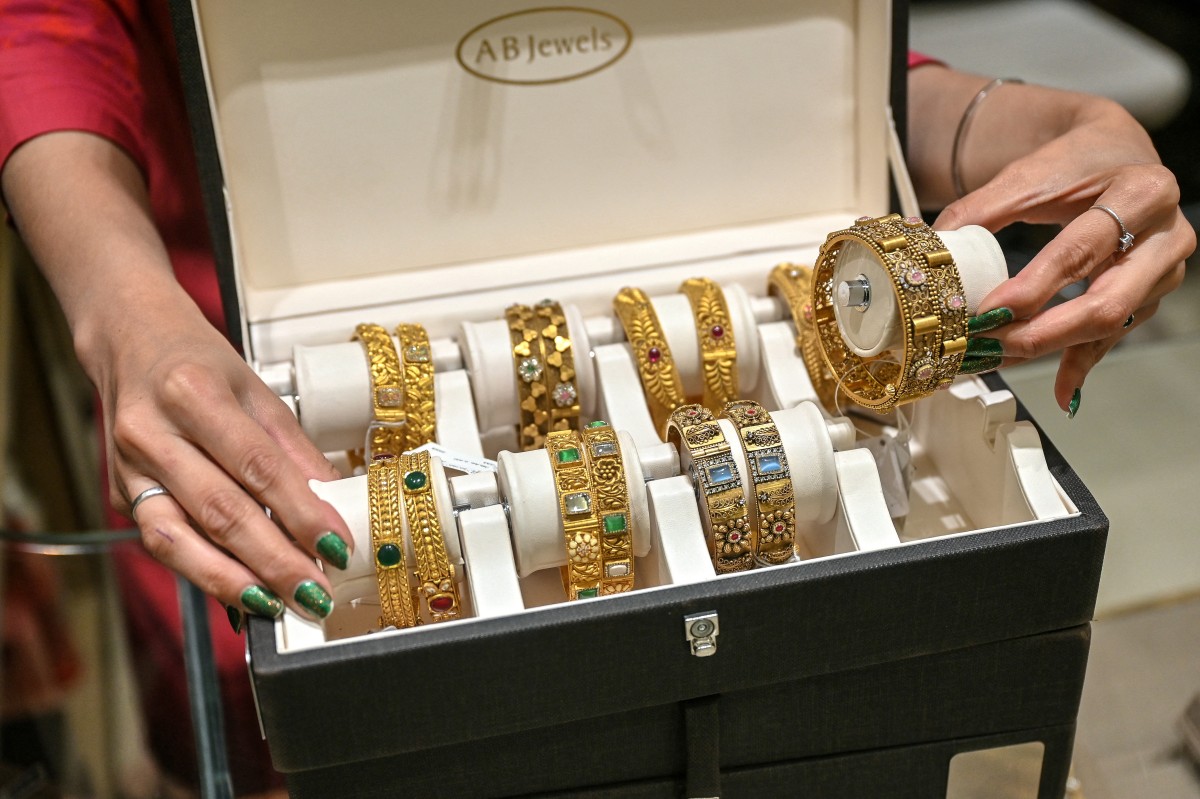
That trend points to a wider change in the market. Jewellery has traditionally carried a large share of physical gold demand, particularly across Asia and the Middle East. High prices are now pushing part of that demand into bars and coins, where premiums are lower and the investment case is clearer.
The World Gold Council expects that shift to continue this year. Bar and coin demand is likely to feature more prominently as high prices, fewer attractive alternatives in some markets, inflation fears and geopolitical uncertainty draw both savers and short-term buyers into physical gold.
Gold-backed ETFs also recorded inflows in the first quarter, with holdings rising by 62 tonnes. The pattern was uneven, however. Asian-listed funds added 84 tonnes, while US-listed funds saw outflows in March, reducing the strength of the global number.
That regional divide is likely to matter through the rest of the year. Asian investors are expected to remain an important source of support, helped by price momentum and demand for risk hedges, while Western demand could be more sensitive to interest rates and bond yields.
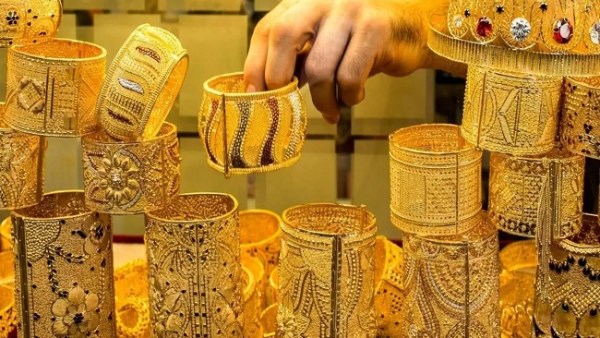
Dubai Gold
High prices hit jewellery volumes
Jewellery demand showed the other side of the gold story. Global jewellery demand fell 23% year on year to about 300 tonnes, the weakest quarter since the early stages of the pandemic in 2020.
Consumers did not walk away from gold completely. They spent more money on less metal. Jewellery demand by value rose 31% year on year to $47 billion, the highest first-quarter spend on record.
That difference matters for retailers. Buyers are still willing to spend on gold, but they are adjusting what they buy. Lighter-weight pieces, lower-carat items and old-gold exchange have become more important in markets where household budgets are being squeezed by higher gold prices and wider inflation pressures.
China’s jewellery demand fell 32% year on year to 85 tonnes, hit by high prices, weaker consumer confidence and changes to VAT treatment. Even there, spending on gold jewellery rose 16% to $13 billion, suggesting buyers remained attached to gold but were changing the form of purchase.
India followed a similar pattern. Jewellery demand fell 19% year on year to 66 tonnes, but demand by value reached $10 billion, a record for a first quarter. Consumers shifted toward lighter pieces, lower-carat jewellery and studded products, while wealthier buyers continued to purchase heavier items.
Middle Eastern markets also recorded double-digit declines in jewellery volumes, although spending rose 30% year on year to a record $5 billion. Ramadan and Eid offered some support, but high prices and the outbreak of war in the region weakened consumer activity in parts of the market.
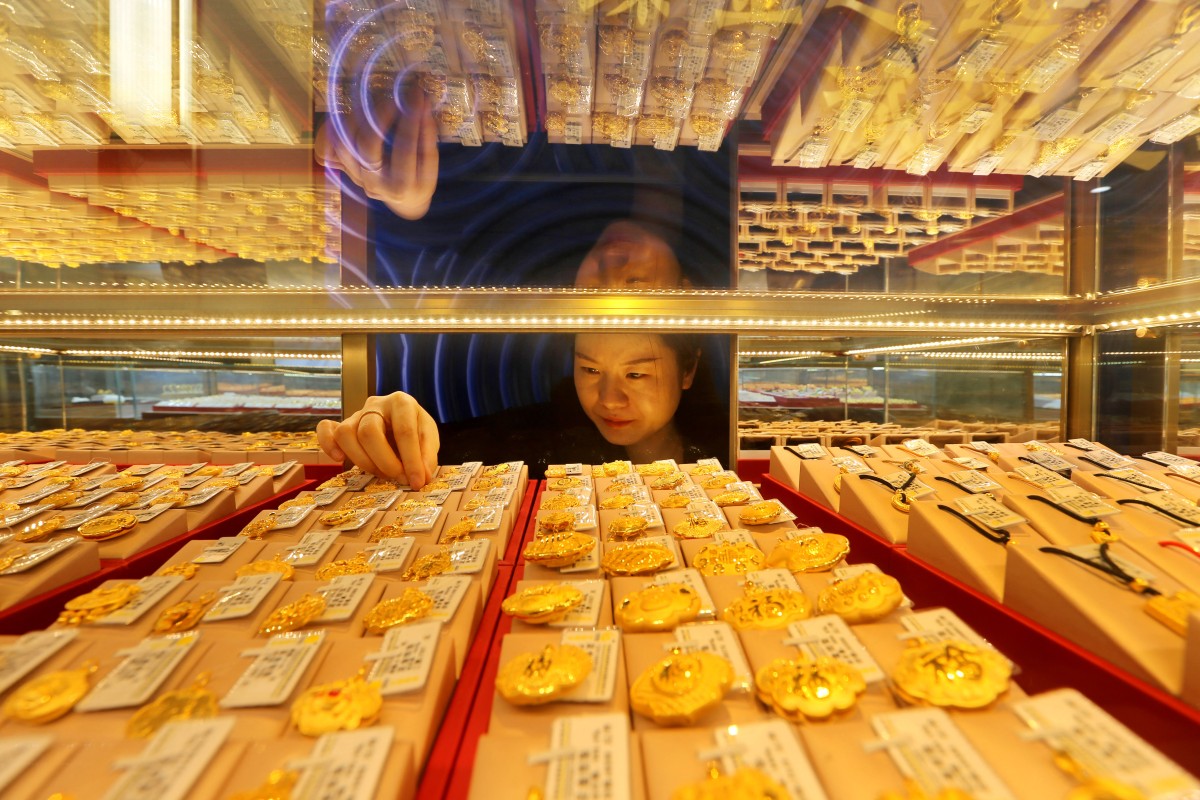
A saleswoman adjusts gold jewellery for sale at a shop in Lianyungang, in China’s eastern Jiangsu province on December 24, 2025.
Central banks keep buying
Central banks remained another important source of demand. Official sector net purchases reached 244 tonnes in the first quarter, up 3% year on year and 17% higher than the previous quarter.
The buying came even though some central banks and sovereign institutions sold gold during the period. Turkey, Russia and the State Oil Fund of Azerbaijan were among the notable sellers, but purchases still outweighed the increase in sales.
Poland was the largest reported buyer, adding 31 tonnes during the quarter and lifting its reserves to 582 tonnes. Uzbekistan added 25 tonnes, while China’s central bank bought 7 tonnes, taking its total gold reserves to 2,313 tonnes.
The UAE Central Bank also added 1 tonne in the quarter, according to the World Gold Council.
Central bank buying has become a major force in the gold market since 2022, and the World Gold Council expects it to remain solid this year. Its full-year expectation remains close to last year’s level, in a range of 700 to 900 tonnes.
That demand reflects a longer-term reserve strategy. Central banks have been diversifying holdings during a period of sanctions risk, currency volatility and geopolitical tension, while gold’s liquidity makes it useful during market stress.
Rates remain the main headwind
Gold’s outlook is still being shaped by interest rates. Higher bond yields increase the cost of holding a non-yielding asset, and that could limit ETF demand, particularly in Western markets.
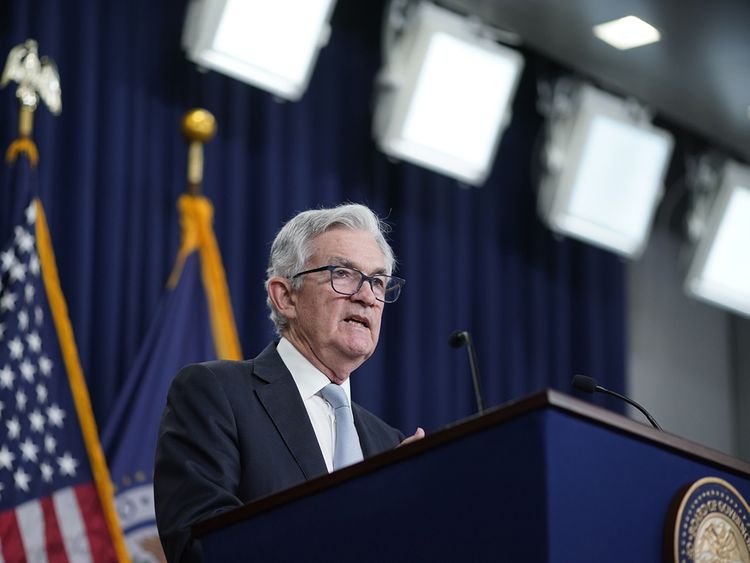
Federal Reserve chief Jerome Powell.
The World Gold Council said government bond yields are likely to remain elevated until there is a clearer path for policy rates, with central banks still dealing with supply shocks linked to the US-Israel-Iran war.
That creates a mixed backdrop. Geopolitical risk supports gold demand, while high interest rates can limit the scale of inflows. The Council expects investment demand to remain positive in 2026, although probably below the levels seen in 2025.
Supply rises, but only slightly
Total gold supply rose 2% year on year to 1,231 tonnes in the first quarter, matching the level of total demand. Mine production reached a first-quarter record, while recycling rose 5%.
The recycling response was still relatively limited given the price environment. The World Gold Council said higher prices and pressure on consumer wallets have encouraged some selling back, but supply from recycling is expected to rise only modestly this year.
A prolonged US-Iran standoff could bring more old gold back into the market, especially if households face pressure from higher energy prices. Supply from India could also rise if gold-backed loans come under stress.
Mine production is expected to edge higher again this year as high prices support margins. The Council is monitoring the risk of energy shortages in some regions, particularly in parts of Oceania and Asia, which could limit output growth.
ملاحظة تحريرية | Editorial Note:
نُشر هذا المقال في الأصل بواسطة Gulf News.
خبر (Khabr) هي منصة إعلامية أردنية مرخّصة تعمل بالذكاء الاصطناعي.
نضيف قيمة تحريرية من خلال: تحليل ذكي للأخبار، ملخصات تلقائية، رواية صوتية بالذكاء الاصطناعي، ترجمة متعددة اللغات، وتدقيق الحقائق.
هدفنا جعل الأخبار أكثر وضوحاً وسهولةً للقارئ العربي.
This article was originally published by Gulf News.
Khabr is a licensed Jordanian AI-powered news platform (Registration #82086).
We add editorial value through: AI-powered news analysis, automated summaries, AI audio narration, multi-language translation (Arabic, English, French, Turkish), and AI fact-checking.
Our mission is to make news more accessible and understandable for Arabic-speaking audiences worldwide.
هذا الخبر ضمن تغطية خبر لقسم اقتصاد.
نقدّم لك تحليلات ذكية وملخصات يومية لأهم الأخبار من مصادر موثوقة متعددة.
المصدر: Gulf News.
يوجد 6 مقالات مرتبطة بهذا الموضوع.
This article is part of Khabr's coverage of Economy.
We provide AI-powered analysis, summaries, and multi-source aggregation to keep you informed.
Source: Gulf News.
🍪 نستخدم ملفات تعريف الارتباط لتحسين تجربتك وعرض الإعلانات المخصصة. باستخدامك للموقع، فإنك توافق على سياسة ملفات تعريف الارتباط وسياسة الخصوصية.
We use cookies to enhance your experience and show personalized ads. By using this site, you agree to our Cookie Policy and Privacy Policy.
🔍
FREEFree 1GB Internet + Free International Calls
$1 trial — eSIM in 190+ countries — No roaming charges