⚡ عاجل: كريستيانو رونالدو يُتوّج كأفضل لاعب كرة قدم في العالم●⚡ أخبار عاجلة تتابعونها لحظة بلحظة على خبر●⚡ تابعوا آخر المستجدات والأحداث من حول العالم●
AI اقتراحات ذكية
AI مباشر|--مشاهد مباشر
842,432مقال403مصدر نشط224قناة مباشرة5,109خبر اليوم
Rising fuel prices and chain shocks are affecting daily life of Africans, Bertha Chikadza has said
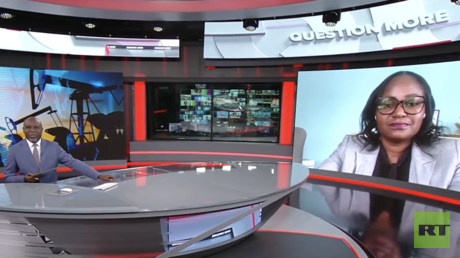
It will not be easy for Africa to cope with ongoing global disruptions, as dependence on external supply chains continues to expose the continent to shocks, Bertha Chikadza has said.
Speaking to RT, the President of the Economic Association of Malawi noted that despite discussions about reducing reliance on global markets, many African economies still lack the infrastructure needed to make such a transition.
“It’s not going to be easy for African countries, even though we talk so much about changing the way we do things, maybe weaning ourselves from these global supply chains,” Chikadza said.
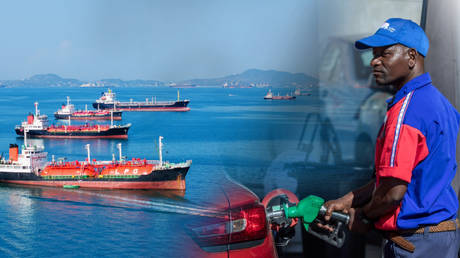
The comments come amid global supply disruptions following the closure of the Strait of Hormuz after US and Israeli airstrikes began in late February. The disruption to one of the world’s key energy routes has sent oil prices higher and triggered knock-on effects across global supply chains.
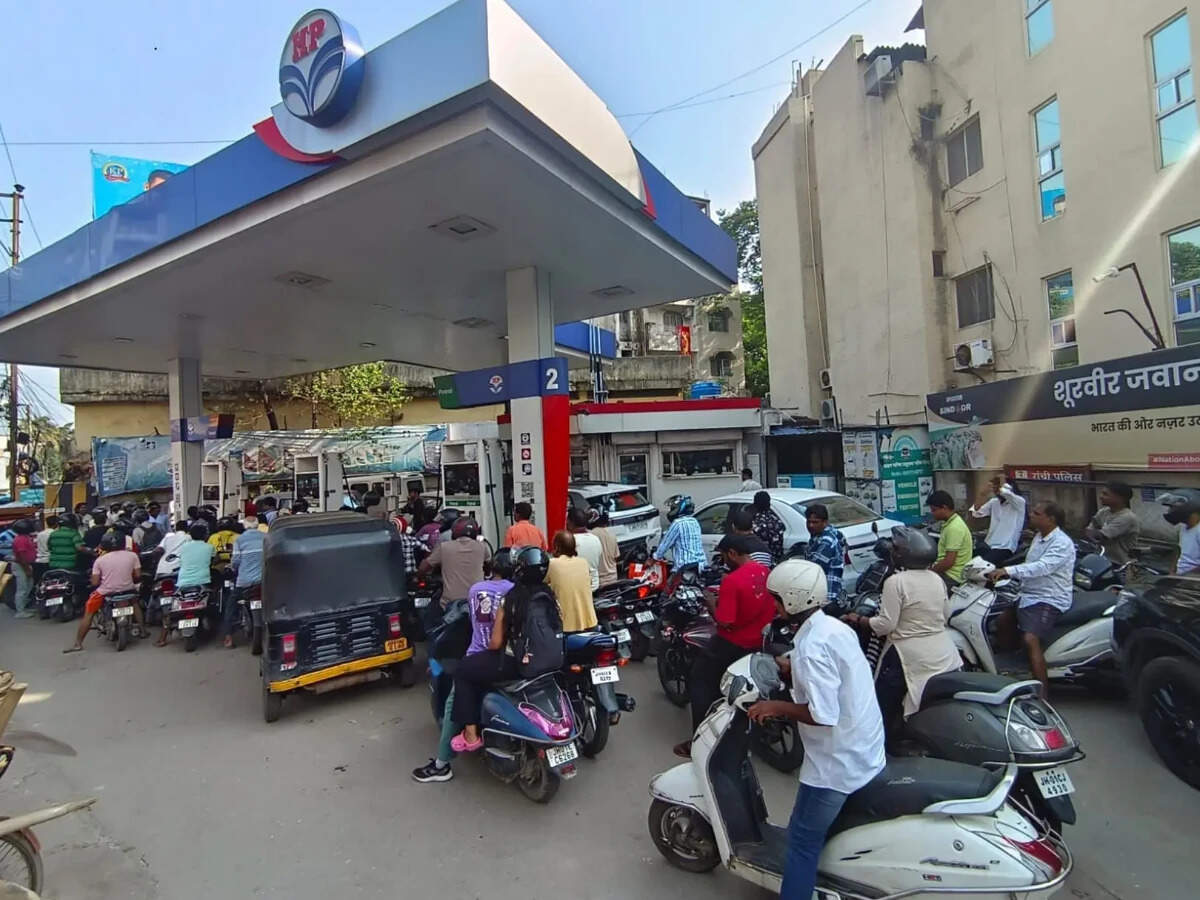
At the same time, the impact of global instability is already being felt on the ground, particularly in Malawi, where rising fuel prices are driving up transport and food costs and affecting daily life.
“The economic and social effects of this war and conflict... are already being felt by each and every Malawian,” Chikadza said.
The head of the association highlighted “it’s high time that countries in Africa started to now working closer and even faster for regional trade, for regional integration.”
Another industry representative has also raised concerns about fuel storage capacity. Shakih Said Amanzi, director of Samanzi Petroleum and Logistics Organization, told RT that Tanzania is planning to build depots. “We do not have petroleum strategic reserve,” Amanzi noted.
A recent joint report by the African Union (AU), the UN Economic Commission for Africa (ECA) and the World Bank warned that the Middle East conflict could push up living costs and weigh on economic growth across the continent. The authors say disruptions to shipping, energy, and fertilizer supplies may intensify existing trade pressures and escalate into a broader cost-of-living crisis through higher fuel and food prices, as well as rising transport and insurance costs.
ملاحظة تحريرية | Editorial Note:
نُشر هذا المقال في الأصل بواسطة RT English.
خبر (Khabr) هي منصة إعلامية أردنية مرخّصة تعمل بالذكاء الاصطناعي.
نضيف قيمة تحريرية من خلال: تحليل ذكي للأخبار، ملخصات تلقائية، رواية صوتية بالذكاء الاصطناعي، ترجمة متعددة اللغات، وتدقيق الحقائق.
هدفنا جعل الأخبار أكثر وضوحاً وسهولةً للقارئ العربي.
This article was originally published by RT English.
Khabr is a licensed Jordanian AI-powered news platform (Registration #82086).
We add editorial value through: AI-powered news analysis, automated summaries, AI audio narration, multi-language translation (Arabic, English, French, Turkish), and AI fact-checking.
Our mission is to make news more accessible and understandable for Arabic-speaking audiences worldwide.
هذا الخبر ضمن تغطية خبر لقسم اقتصاد.
نقدّم لك تحليلات ذكية وملخصات يومية لأهم الأخبار من مصادر موثوقة متعددة.
المصدر: RT English.
يوجد 6 مقالات مرتبطة بهذا الموضوع.
This article is part of Khabr's coverage of Economy.
We provide AI-powered analysis, summaries, and multi-source aggregation to keep you informed.
Source: RT English.
Tags: energy crisis, Africa, expert.
🍪 نستخدم ملفات تعريف الارتباط لتحسين تجربتك وعرض الإعلانات المخصصة. باستخدامك للموقع، فإنك توافق على سياسة ملفات تعريف الارتباط وسياسة الخصوصية.
We use cookies to enhance your experience and show personalized ads. By using this site, you agree to our Cookie Policy and Privacy Policy.
FREEFree 1GB Internet + Free International Calls
$1 trial — eSIM in 190+ countries — No roaming charges