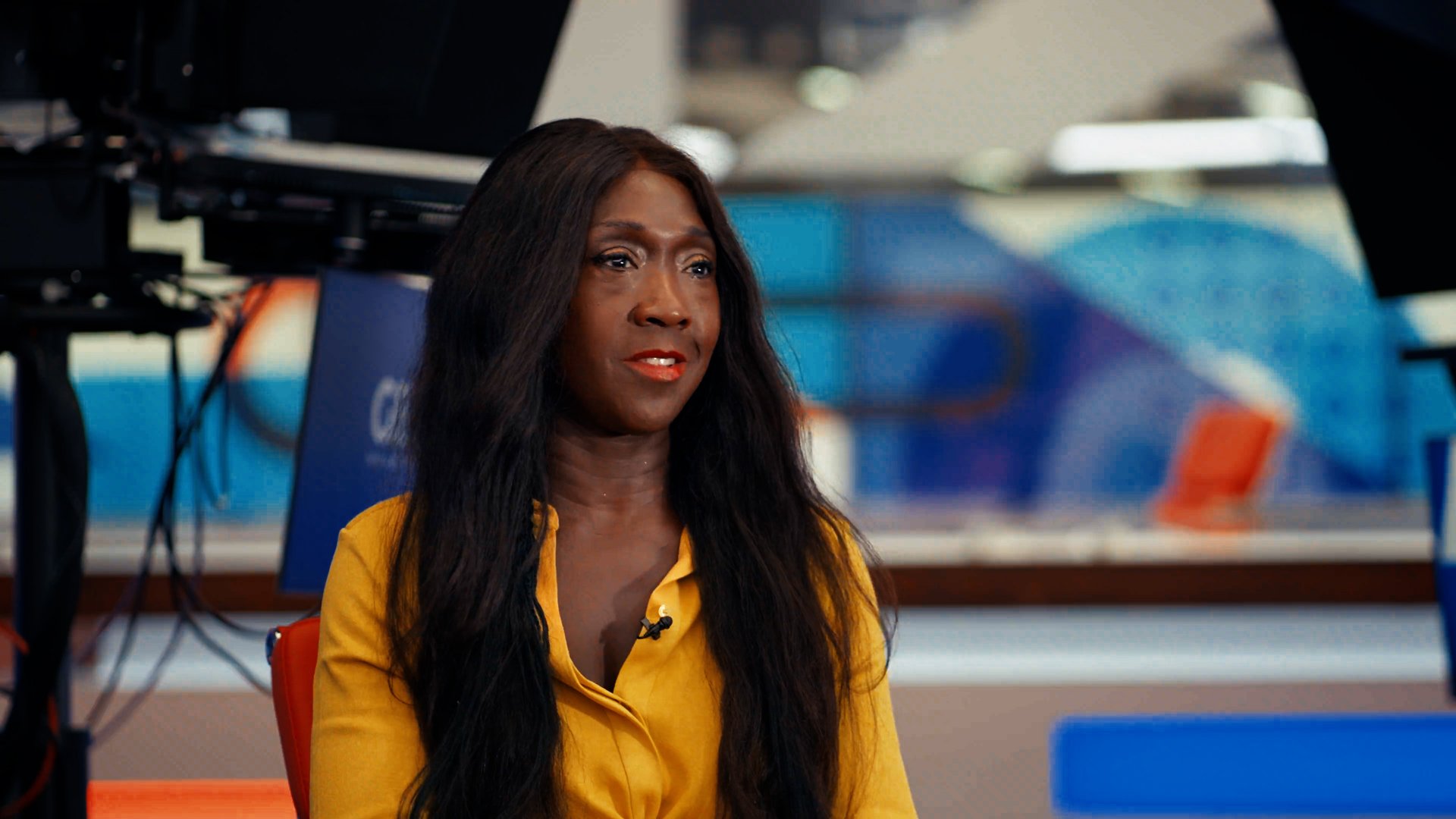
If I were to describe it as a white-knuckle ride, you’d probably not believe me. But my God, being part of Britain’s fastest-growing news channel from the very beginning has been exactly that.
There were rumours that a new right-wing television channel was launching. At the time, I had repeatedly turned down full-time status at the BBC, preferring annual contracts so I could continue working across different networks. A few scrapes had ensued along the way.
One came after I said what I believe every decent human being thinks deep down during Jeremy Vine’s show on Channel 5: that paedophiles should be executed. Another followed a few programmes later when I expressed my views on terrorists.
Neither went down particularly well at the BBC. I was swiftly removed as host of the weekday mental health show and the weekend religious programme. It became clear to me that the Beeb was no longer the right fit, so I actively began looking for a channel that better aligned with my way of thinking.
What many people don’t realise is that GB News actually began in the Hilton Hotel next to Paddington Station. Five years ago, in May, we all gathered in one of the hotel’s conference rooms to practise talking to cameras. The concept felt completely foreign because we had to stare directly down the lens of separate cameras at all times, even while speaking to one another. Today, it’s known as “in boxes”, but nobody in the UK was doing it then.
The studio itself wasn’t ready until the first live broadcast, and my goodness, that was an experience.
Five years ago to this day, I got to meet my absolute hero, Nigel Farage, and rub shoulders with Dan Wootton and Andrew Neil, the latter being particularly grumpy. He was less than impressed when the sound failed during his first broadcast.
The lighting was dreadful. I looked mouldy, and at one point I was practically invisible during a breakfast show because of a black backdrop behind me. I was little more than eyes and teeth.
We faced obstacle after obstacle, including Stop Funding Hate, an activist group that set about trying to destroy us before we had even broadcast a single second. Advertisers were frightened off and hostility towards the channel was actively encouraged, which was deeply ironic. Still, we persisted. If anything, it made us more creative and more resilient. They persist to this day, and so do we.
We helped pioneer the television monologue in the UK: a solo piece to camera accompanied by images and clips. Because I refused to subscribe to the victimhood narrative perpetuated by much of our traditional media, I was called every name under the sun: traitor, Oreo, Uncle Tom, coconut and far-right. It had no effect. I was born in the 1970s, an era when the N-word was all too casually used. We were taught that sticks and stones may break our bones, but names would never hurt us.
I would receive messages afterwards from people saying, “My God, what’s happened to you? You’ve changed.” Others suggested that someone must be telling me what to write or what to say.
My response was always the same.
“No. This is actually me. No one has told me what to say or do. I wrote every word, and I believe in what I am saying.”
GB News allowed me to unleash my creativity. Combined with the incredible training I had received at the BBC, an understanding of what was permissible, and the support of Nick Pollard, former Ofcom executive and part of GB News’ editorial standards team, I was able to produce some of my best work.
That includes my Ngozi Fulani monologue, which remains one of my favourite pieces and attracted almost one million views on YouTube. And how could I forget my Gary Lineker monologue, which caught the attention of the late, great James Whale, another of my heroes.
Back then, five years ago, things were incredibly shaky. We were laughed at by sections of the mainstream media, mocked by rival news channels and competing fiercely with what would become TalkTV.
But we cut through the noise.
With the leadership of our incredible boss Angelos Frangopolis, we became a voice for the unheard. A voice for common sense. A voice for millions of British people who felt ignored by the institutions that were supposed to represent them.
We were not prepared to let politicians evade questions, which is why, even now, many choose to avoid appearing on the Channel. They know they won’t be shielded in the way they once were by mainstream broadcasters.
Despite all the odds, GB News is now Britain’s No1 news channel, and I am immensely proud to have played my part in that journey.
Nana Akua takes a trip down memory lane as she remembers this her most viewed monologue
Here’s to the next five years.
Our Standards: The GB News Editorial Charter