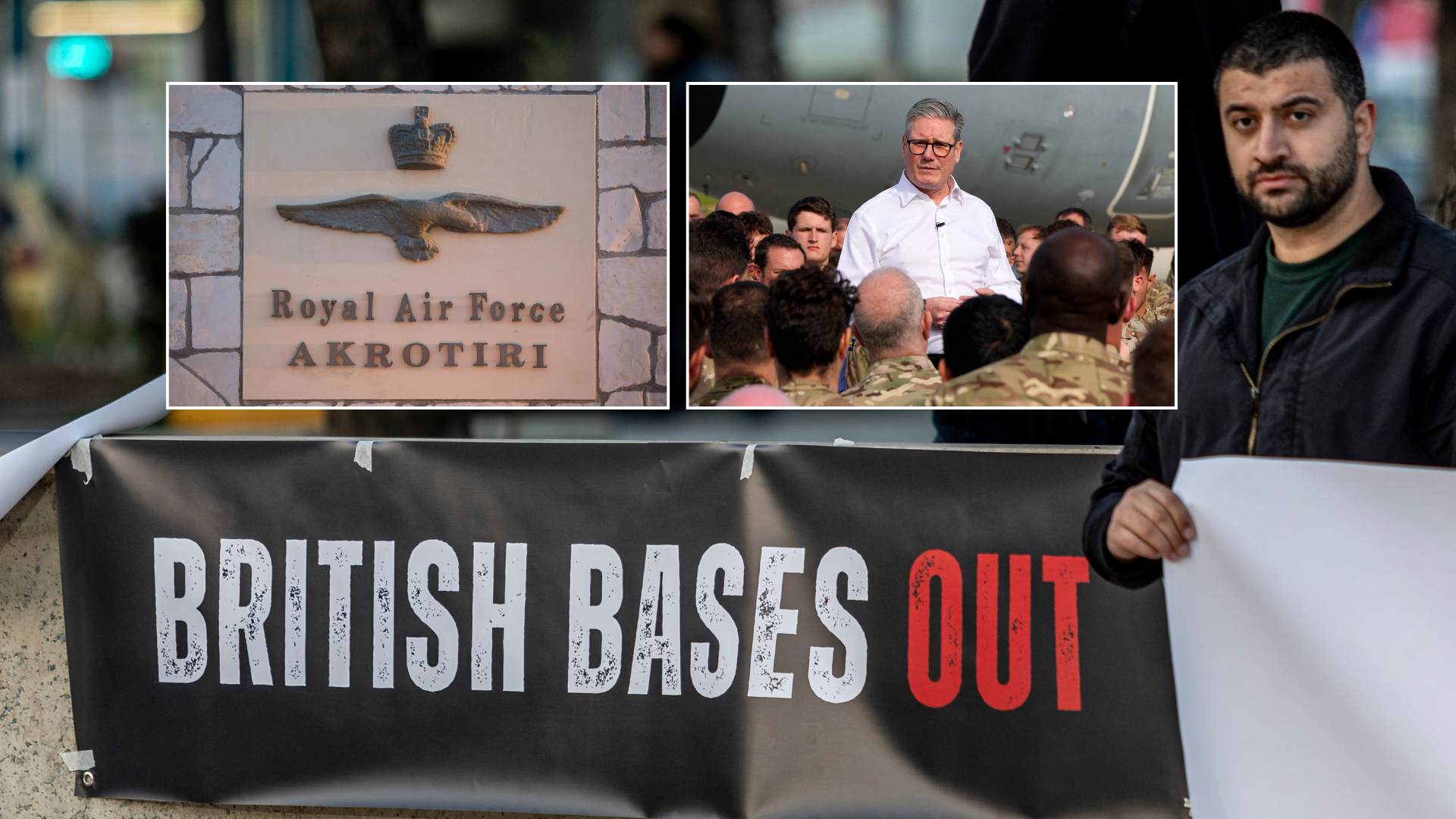
The future of another British overseas territory could be at risk, with Cypriots warning the Mediterranean island “must not become a target” amid the war in Iran.
Greeks and Turks have raised “deep concerns” with GB News about Britain's running of its sovereign territories, including RAF Akrotiri and Dhekelia.
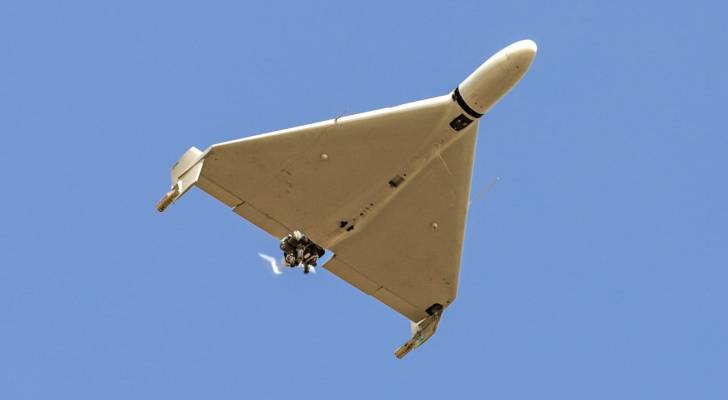
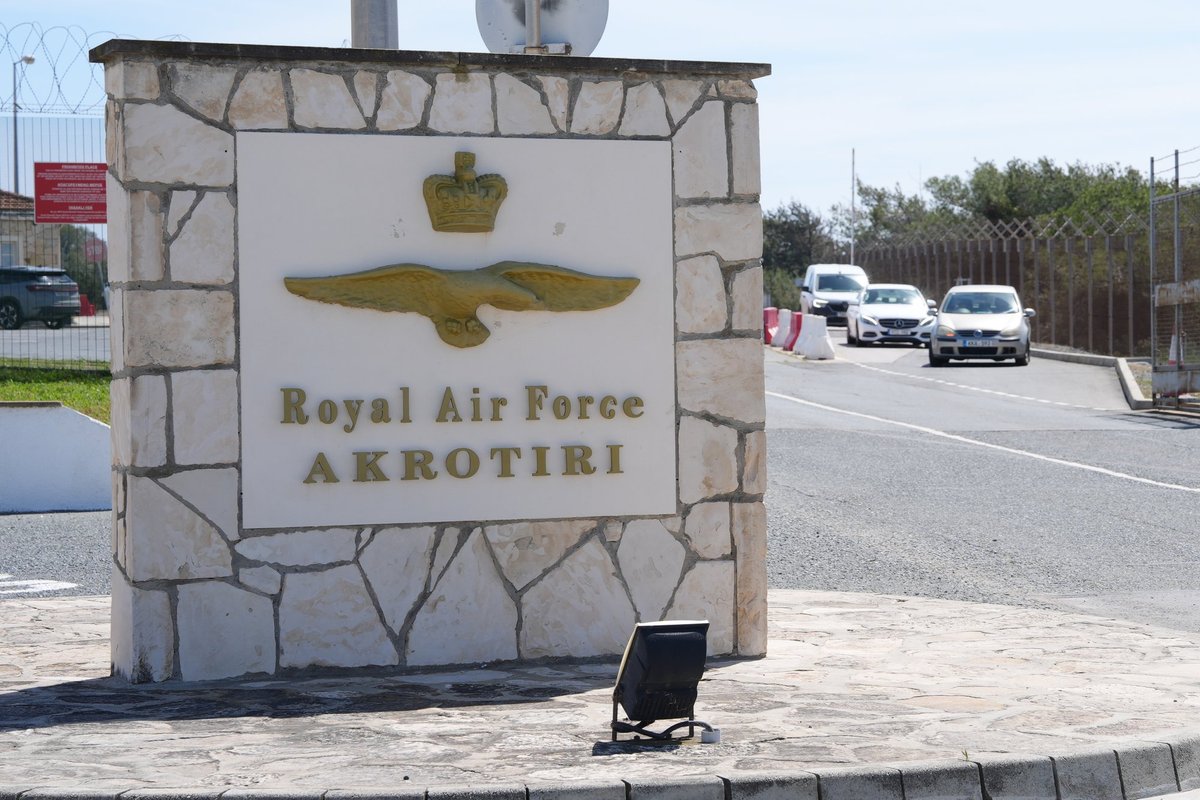
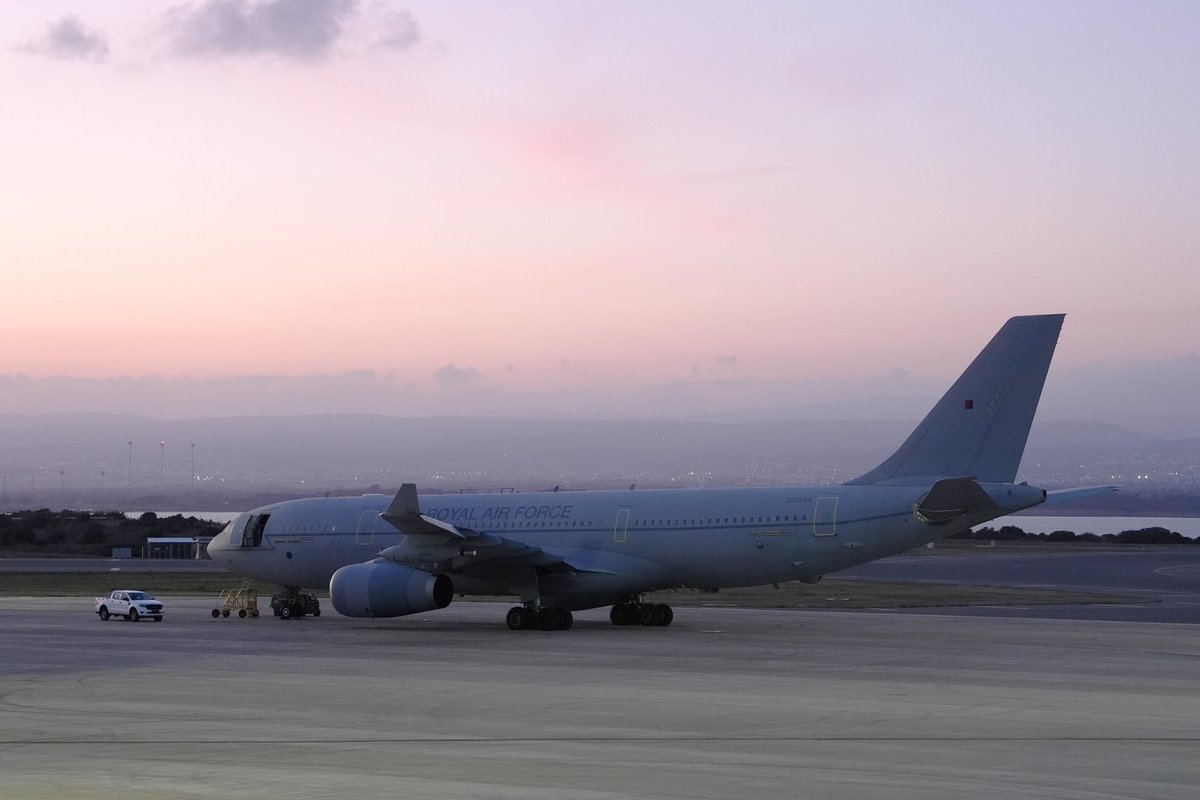
On March 1, Akrotiri — a large UK military airbase located in the Western Sovereign Base Area — was struck by a loitering munition by the Lebanese terrorist group Hezbollah after Prime Minister Sir Keir Starmer announced his decision to allow the United States to use Britain's airstrips for President Donald Trump's military campaign against the Islamic Republic.
After a lengthy delay, HMS Dragon — a Type 45 air-defence destroyer normally based at Portsmouth Naval Base — was dispatched to protect Cyprus from any emerging threats.
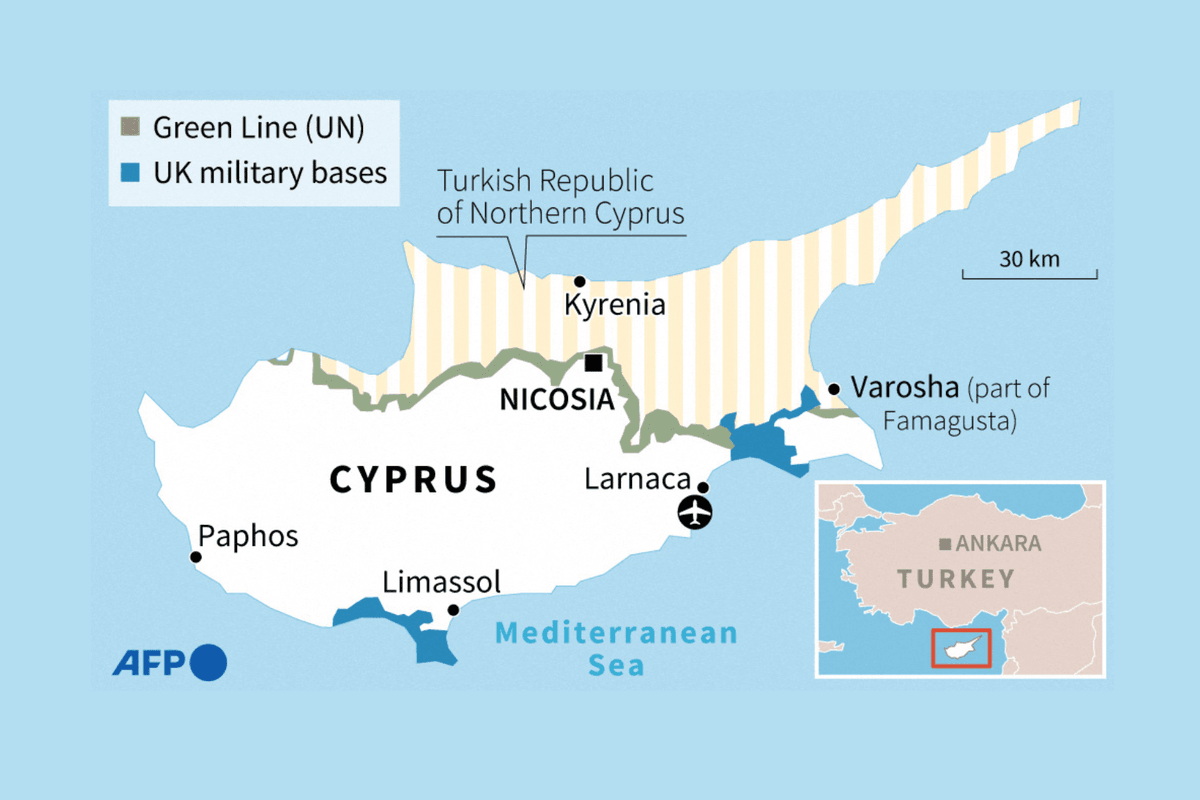
The incident reignited debate over the future of the UK’s Sovereign Base Areas (SBAs), which cover 98 square miles, or 3 per cent of the island’s land mass, and have remained under British administration since Cyprus gained independence in 1960.
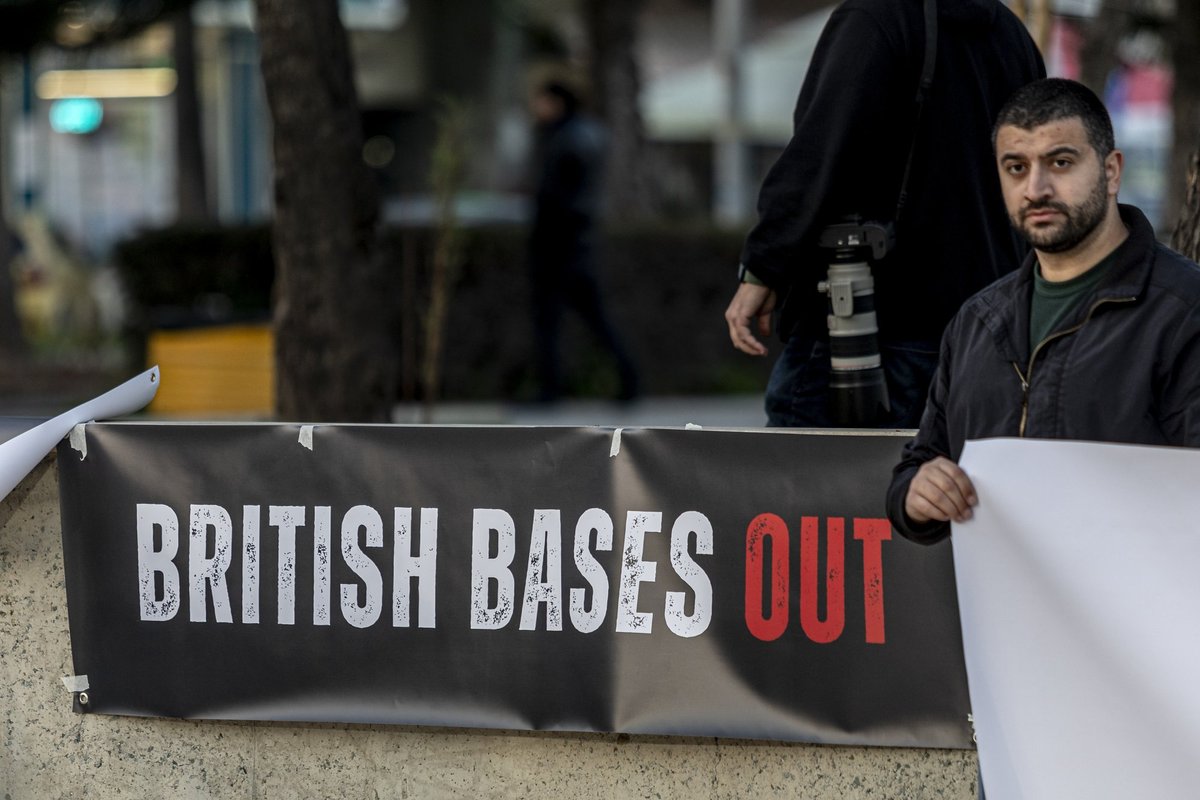
In the wake of the attack, Cypriot nationals took to the streets bearing banners that read “British bases out”, while Cypriot President Nikos Christodoulides called for “an open and frank discussion with the British Government” on the future of the SBAs, describing them as a “colonial consequence”.
His Foreign Minister, Constantinos Kombos, argued there should be a “conversation” about removing the RAF facilities.
The European Union also announced its support for the cause, declaring Brussels “acknowledges the intention of Cyprus to initiate a discussion with the UK on the UK bases in Cyprus and stands ready to provide assistance as needed”.
A British official familiar with the mood of Cyprus told GB News: “The push to get rid of them is obviously increasing and there is a real concern it's going that way… that conversation has been growing massively because of what's happened in Iran."
Christos Karaolis, President of the National Federation of Cypriots in the UK, explained the strike on Akrotiri prompted “deep concern felt across the Cypriot diaspora and in Cyprus itself”.
“It is a stark reminder that the security of the entire island is inextricably linked to the British bases," he told the People’s Channel.
To that end, Mr Karaolis insisted there was an “urgent need for closer, deeper and more consistent security and defence coordination between the UK and the Republic of Cyprus to prevent and deter future threats".
LATEST DEFENCE NEWS:
- 'Major gap' in Britain's defences leaving citizens exposed to ballistic missile attacks
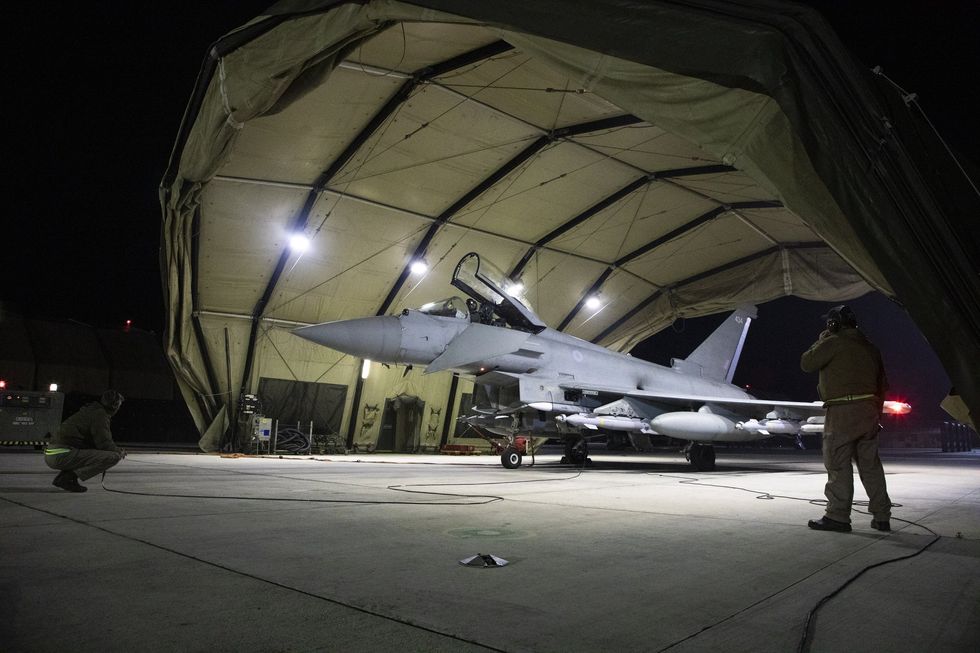
- RAF deploys drone-killing secret weapon on Typhoon fighter jets in Middle East
- Iran threatens HMS Dragon with 'decisive response' as UK warship heads towards Strait of Hormuz
The attack on Akrotiri also proved to be a rare moment of unanimity between Greek Cypriots and Turkish Cypriots, who have remained divided by an international buffer zone since Turkey’s occupation of the island in 1974 following a period of intercommunal violence.
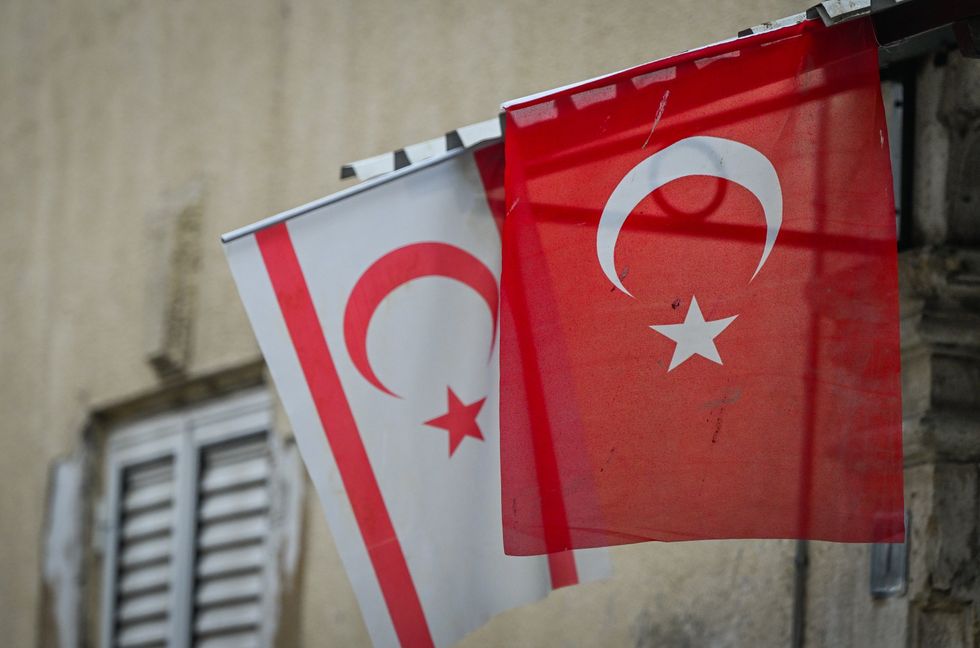
One-half of Cyprus now exists as an independent de facto state, which is only recognised by Ankara and is part bordered by Britain’s other outpost on the island, Dhekelia.
Nevertheless, politicians north of the country have suggested they share their Greek counterparts' concerns about the UK’s sovereign territories.
Asim Akansoy, a Turkish Cypriot MP and former foreign minister, told Britain's News Channel: “For the time being, the presence of British bases on the island must not be a threat to the region...
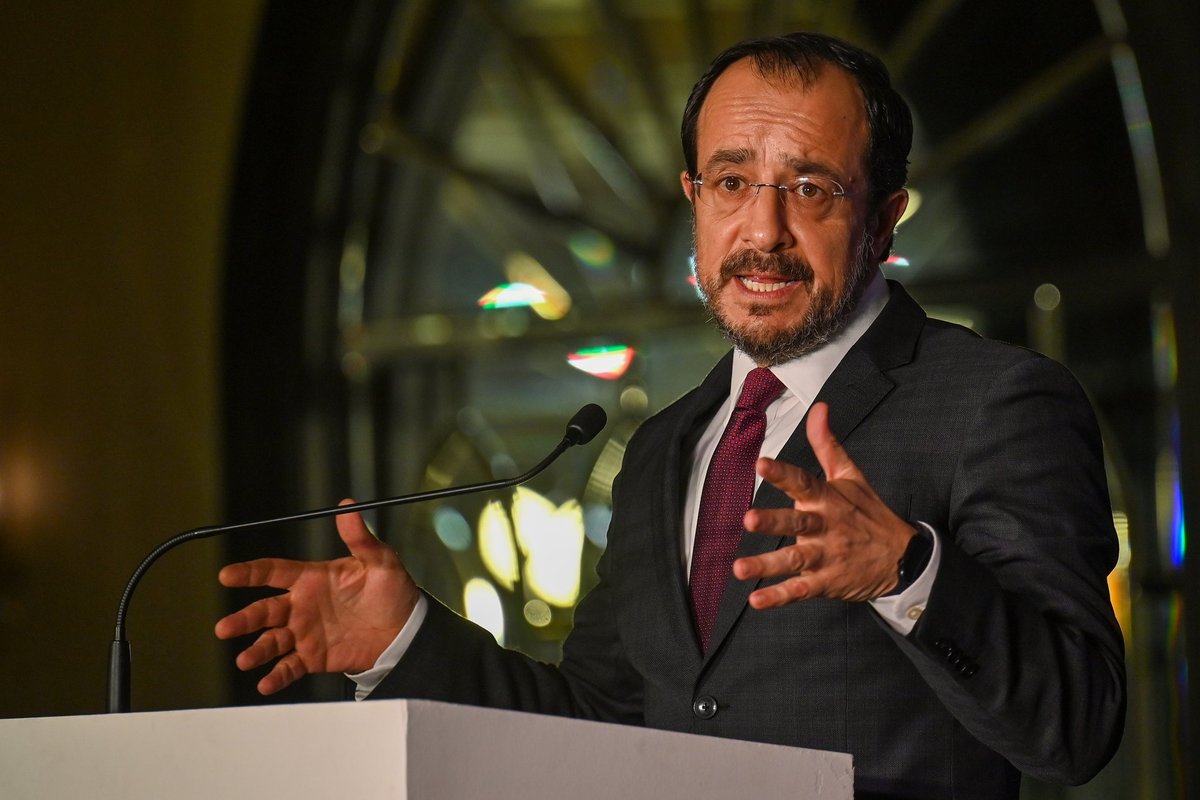
“Consequently, the island must not become a target."
The Freedom and Fairness Campaign for Northern Cyprus (FFNC), a campaign advocating for the international recognition of the Turkish Republic in the region, added: “Much of the current discussion has focused almost exclusively on the British Sovereign Base Areas and the Green Cypriot administration in the south, while overlooking Northern Cyprus, where approximately 10,000 British nationals live alongside Turkish Cypriot people.
“Turkish Cypriots’ safety and security are directly affected by regional instability and must be equally considered when governments assess the evolving security situation on the island,” they insisted.
What action Cyprus will take on the SBAs remains to be seen. However, the Cyprus Mail’s Tom Cleaver believes the Greek Cypriot administration may work to make the UK’s position “geopolitically uncomfortable”.
Mr Clevaver said Mr Christodoulides may seek to frustrate the UK’s rapprochement with the EU.
“He believes he can make life more difficult for the British in their relationship with Brussels, if they do not comply, or at least move towards compliance with his wishes on those two bases," he predicted.
“If the UK, and when the UK requires or asks for something from the European Union, a little clause about the basis could be included… an obstacle to furthering relations between the United Kingdom and the European Union in the years."
A reignited debate over the bases comes as Greek Cypriots go to the polls this weekend, with almost all major parties declaring their opposition to the current status quo.
“The bases are not really a topic of conversation in the election because nobody particularly disagrees… There's no political party here which is going to advocate for them or go to bat for them,” Mr Cleaver explained.
The latest polling suggests the communist Akel party and Greek nationalist Elam party will finish a strong second and third, respectively.
Akel has demanded the British bases be “abolished” and Cyprus “demilitarised”, accusing the installations of serving as “an aggressive launching pad against neighbouring peoples”.
Meanwhile, Elam leader Christos Christou has also warned of the security risk posed to Cyprus, sharing his concern over a scenario where “a drone loses its way and instead of falling into the British bases hits a school”.
Any change to the status quo on the British bases would likely require a revision of the post-independence London and Zurich Agreements, which the UK, Greece and Turkey guarantee.
The SBAs extend beyond the fenced areas of the military installations to encompass communities home to 18,000 Cypriots, who are mostly of Greek origin.
As such, a reorganisation of the SBAs would have to address the divide between the Cypriot Government and Northern Cyprus.
“The most important issue in Cyprus is reaching a permanent agreement on the island within the framework of UN Security Council resolutions. Naturally, our relations with every country supporting this cause are important to us,” Mr Akansoy commented on any future negotiations.
“The British bases form part of that settlement. Any discussion concerning them, therefore, concerns all communities on the island,” the FFNC added.
“Past experience is clear: exclusion does not produce stability, it entrenches division. Any credible process or discussions must include Turkish Cypriots as equal participants.”
Meanwhile, voices closer to home have been emphatic about the continued presence of the bases on Cyprus amid fury over the handover of the Chagos Islands to Mauritius and fears over Britain's ability to protect the Falklands.
Robert Midgley, spokesman for the Friends of the British Overseas Territories, stated: “It's not up to the EU to dictate on British sovereign territory.
“Akrotiri and Dhekelia are the cornerstones of safety and security protecting the West. Cyprus, the UN, the US and Western allies all benefit from the Sovereign British Areas. They are not up for negotiation.”
Lieutenant Colonel Stuart Crawford, who commanded troops on Cyprus in 1989, explained: “The Cypriots were protesting about it even then. They have endemic protests against the British presence.”
He stressed Cyprus is “our aircraft carrier in the Eastern Mediterranean… It’s a strategic necessity”.
“Britain is not there by the leave of the Cypriot government. Britain is there because they are British territory,” he added.
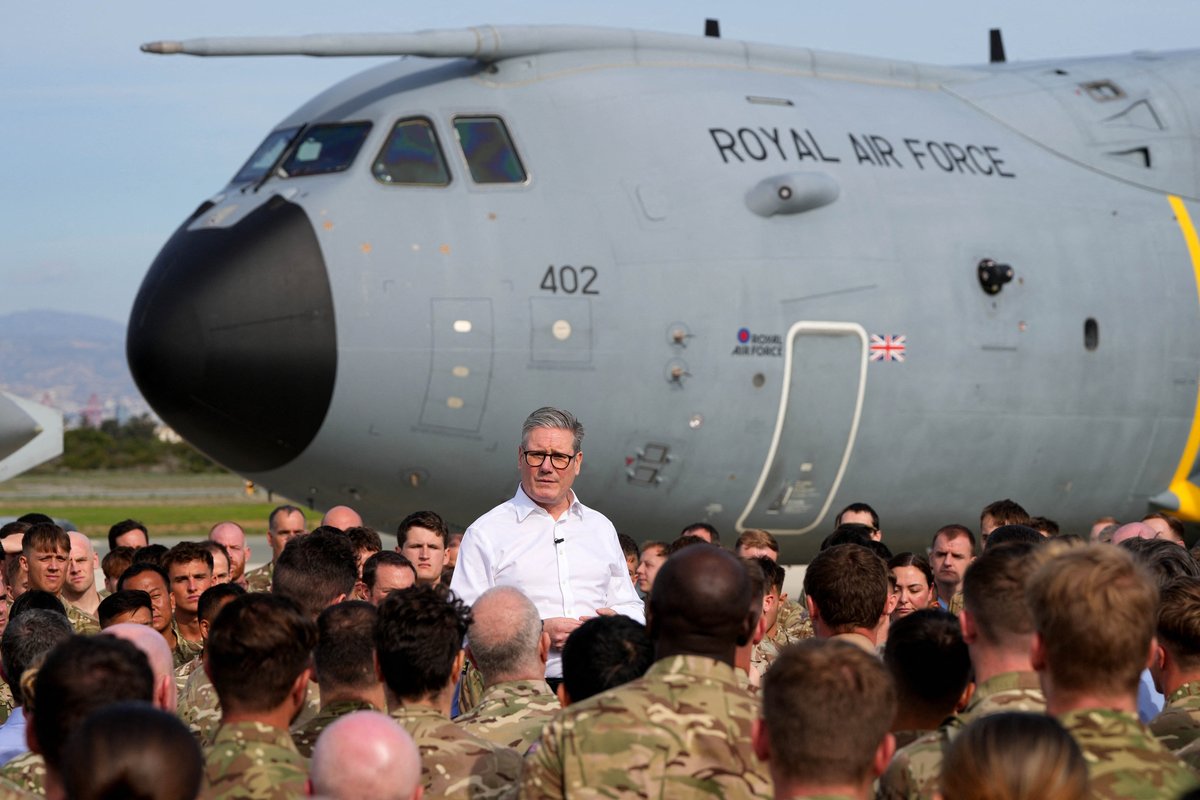
Armed Forces Minister Al Carns has previously declared the SBAs were “not up for negotiation” and there would be “no question of transferring sovereignty”.
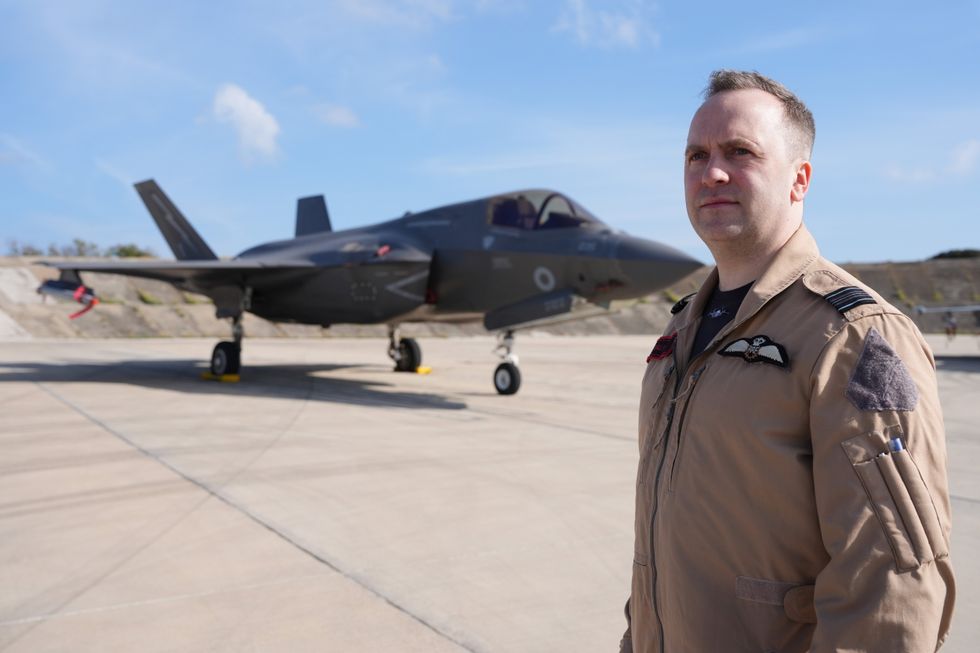
Alongside HMS Dragon, Britain’s bases — which are used by RAF jets to fly defensive sorties in the Middle East — have been bolstered with additional defensive hardware, including advanced radar and anti-drone equipment.
On the UK’s renewed focus on the island, Mr Karaolis said: “We welcome the emergence of a stronger and more open dialogue between both Governments. Only this week, the Cypriot Defence Minister met the UK Defence Secretary for the second time in the last three months.”
The Ministry of Defence said in a statement: “The status of the Sovereign Base Areas is not in question.
“Our bases in Cyprus play a crucial role in supporting the safety of British citizens and our allies in the Mediterranean and in the Middle East.
“We have been deploying additional defensive capabilities to Cyprus since January, including radar systems, counter-drone systems, additional fast jets and hundreds of extra air defence personnel to protect our people and our interests.”
A spokesman for the Cypriot Government declined to comment.
Our Standards: The GB News Editorial Charter