From AI to interceptors, Ukraine is trying to drone-proof its skies
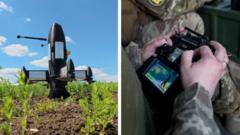
From AI to interceptors, Ukraine is trying to drone-proof its skiesJust nowShareSaveAdd as preferred on GoogleJonathan BealeDefence correspondentWatch: Ukraine's P1-SUN interceptor reaches speeds of more than 300km/h (186mph)This week, with air raid warnings wailing in the distance, Kyiv held a funeral for two sisters.12-year-old Liubava and her 17-year-old sister Vira were among 24 civilians killed by a Russian missile which reduced their residential block to rubble earlier this month. They had already lost their father who had been fighting on the front line. Their grieving mother is now the family's sole survivor. This is the human cost of the largest sustained Russian aerial assault so far – with 1,500 drones and 56 missiles fired at Ukraine within 48 hours.But the loss of life could have been even higher. Ukraine's air defences prevented more casualties. According to President Volodymyr Zelensky, 94% of those long range drones and 73% of the missiles were successfully intercepted. In comparison, on 14 May 2025, Kyiv's forces took down 55% of Russian drones launched nationwide. Ukraine is getting better at defending its skies."We are now, unfortunately, the best in the world," says Lt Col Yuriy Myronenko, an inspector general at Ukraine's Ministry of Defence. He admits, though, that shooting down Russia's ballistic missiles "is not so easy".Lee Durant/BBCThese interceptor drones can cheaply and effectively bring down Russian Shaheds - and Ukraine is now producing them at scaleMore than four years on from Russia's full scale invasion, Ukraine has built an increasingly sophisticated, layered air defence system. At the start of the war it relied on old Soviet-era weapons. The West then helped bolster its defences – with expensive, more sophisticated systems including Patriot air defence missiles.But Ukraine has also been developing its own home-grown solutions – from mobile fire teams operating heavy machine gu...المصدر: BBC News | Source: BBC News
ملاحظة تحريرية | Editorial Note: نُشر هذا المقال في الأصل بواسطة BBC News. خبر (Khabr) هي منصة إعلامية أردنية مرخّصة تعمل بالذكاء الاصطناعي. نضيف قيمة تحريرية من خلال: تحليل ذكي للأخبار، ملخصات تلقائية، رواية صوتية بالذكاء الاصطناعي، ترجمة متعددة اللغات، وتدقيق الحقائق. هدفنا جعل الأخبار أكثر وضوحاً وسهولةً للقارئ العربي.
This article was originally published by BBC News. Khabr is a licensed Jordanian AI-powered news platform (Registration #82086). We add editorial value through: AI-powered news analysis, automated summaries, AI audio narration, multi-language translation (Arabic, English, French, Turkish), and AI fact-checking. Our mission is to make news more accessible and understandable for Arabic-speaking audiences worldwide.