FIFA World Cup 2030 Projects Could Strain Morocco’s Budget, IMF Warns
المصدر: Morocco World News | Source: Morocco World NewsRabat – Morocco has relied on infrastructure as a cornerstone of its economic development, according to a recent report by the International Monetary Fund (IMF).
Since the mid-2000s, investments in ports, transport, and telecommunications have strengthened productivity, boosted competitiveness, and connected the country more closely to regional and global markets.
The IMF estimates that infrastructure improvements have contributed to nearly one-fifth of Morocco’s productive growth since 2005, outperforming both Middle Eastern and North African countries and other middle-income nations.
Quality and efficiency lead the way
Morocco has made visible progress in quality indicators. The Tanger Med Port has emerged as the largest port in Africa and the Mediterranean in terms of capacity, reflecting the country’s growing maritime connectivity.
Between 1980 and 2010, Morocco improved the efficiency of its infrastructure spending significantly, positioning itself ahead of many emerging markets. These gains show that the country has not only increased the quantity of its infrastructure but also its impact.
Ambitious plans for 2024-2030
Morocco intends to accelerate public investment in transport and tourism infrastructure, aiming to allocate nearly 12% of GDP annually until 2030. The planned projects include upgrades to railways, airports, roads, and stadiums.
Public enterprises will carry the bulk of the investment, financed through concessional loans both at home and abroad, while local authorities and the central government will provide additional support through bank loans and budget reallocations.
The IMF’s analysis predicts that these investments could raise real GDP by 2% by 2030 compared to a scenario without further infrastructure spending, with long-term gains reaching 3% after 2031, driven by increased productivity.
Managing public debt and investment risks
The report warns that public debt is expected to rise by 7 to 8% of GDP by 2030 before gradually declining, supported by fees from infrastructure use and stronger economic growth. However, several risks could affect these projections.
The effectiveness of public spending will be crucial. Higher efficiency could raise long-term GDP by up to 4%, while lower efficiency would limit gains. Large projects also face the risk of cost overruns, which could erode potential economic benefits and increase public debt.
Maintenance costs and off-balance-sheet liabilities from public enterprises add another layer of financial pressure, and the reliance on imported materials limits the domestic economic impact of infrastructure spending. Financing projects through higher taxes rather than borrowing could also temporarily reduce private consumption.
Preparing for sustainable growth
The IMF notes that Morocco has achieved major progress, especially in ports and telecommunications.
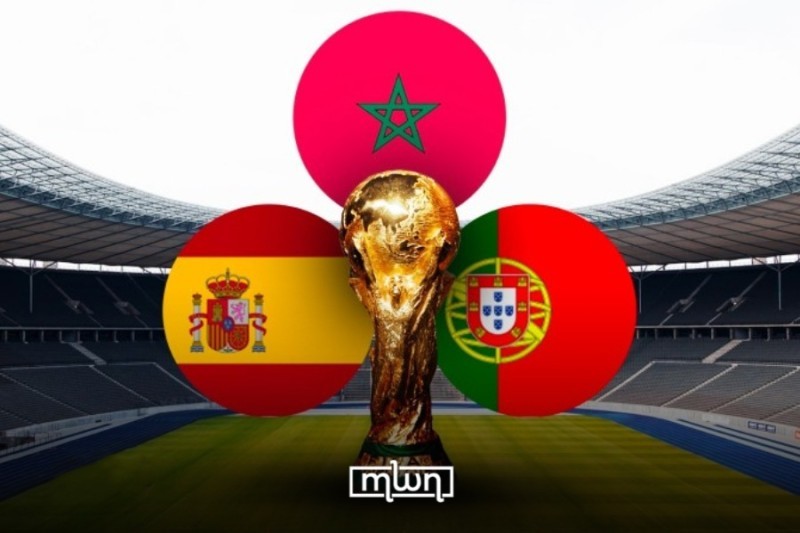
To maintain momentum and seize opportunities such as hosting the 2030 World Cup, the country must manage public investment carefully, enforce cost controls, integrate maintenance into budgets, and monitor off-balance-sheet debt closely.
These measures are essential to ensure that infrastructure continues to drive sustainable economic growth while protecting public finances.
The post FIFA World Cup 2030 Projects Could Strain Morocco’s Budget, IMF Warns appeared first on Morocco World News.
ملاحظة تحريرية | Editorial Note: نُشر هذا المقال في الأصل بواسطة Morocco World News. خبر (Khabr) هي منصة إعلامية أردنية مرخّصة تعمل بالذكاء الاصطناعي. نضيف قيمة تحريرية من خلال: تحليل ذكي للأخبار، ملخصات تلقائية، رواية صوتية بالذكاء الاصطناعي، ترجمة متعددة اللغات، وتدقيق الحقائق. هدفنا جعل الأخبار أكثر وضوحاً وسهولةً للقارئ العربي.
This article was originally published by Morocco World News. Khabr is a licensed Jordanian AI-powered news platform (Registration #82086). We add editorial value through: AI-powered news analysis, automated summaries, AI audio narration, multi-language translation (Arabic, English, French, Turkish), and AI fact-checking. Our mission is to make news more accessible and understandable for Arabic-speaking audiences worldwide.