⚡ عاجل: كريستيانو رونالدو يُتوّج كأفضل لاعب كرة قدم في العالم●⚡ أخبار عاجلة تتابعونها لحظة بلحظة على خبر●⚡ تابعوا آخر المستجدات والأحداث من حول العالم●
AI اقتراحات ذكية
AI مباشر|--مشاهد مباشر
1,084,510مقال401مصدر نشط228قناة مباشرة3,930خبر اليوم
•Afghanistan has resisted control for centuries – and Islamabad is no exception
For more than four decades, Pakistan’s approach toward Afghanista...
•From the Soviet war of the 1980s to the rise of the Taliban in the 1990s and again after the Fall of Kabul, Islamabad has sought influence across its western border.
•But today, that longstanding policy is unraveling.
هذا الخبر من RT English. خبر يقدم أدوات ذكاء اصطناعي للتلخيص والترجمة والاستماع.
Afghanistan has resisted control for centuries – and Islamabad is no exception
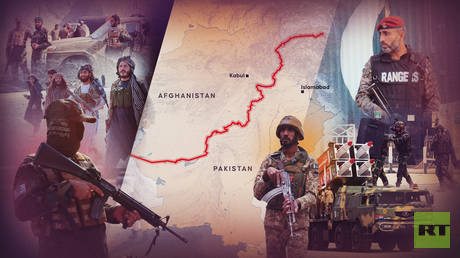
For more than four decades, Pakistan’s approach toward Afghanistan has been guided by a simple assumption – that Afghanistan’s political trajectory must remain aligned with Pakistan’s security interests. From the Soviet war of the 1980s to the rise of the Taliban in the 1990s and again after the Fall of Kabul, Islamabad has sought influence across its western border.
But today, that longstanding policy is unraveling.
The irony is difficult to ignore. The very militant networks once viewed as useful tools of regional influence have evolved into one of Pakistan’s most serious security threats. Fighters from the Tehrik-i-Taliban Pakistan have intensified attacks inside Pakistan, creating a crisis that Islamabad now argues originates from Afghan territory.
In response, Pakistan has adopted an increasingly aggressive posture toward Afghanistan, including cross border strikes, heightened military activity, and the mass deportation of Afghan refugees. Yet these measures address symptoms rather than causes.
At the heart of the conflict lies a deeper structural problem: Pakistan has never fully accepted the idea of an independent Afghanistan pursuing its own geopolitical interests. For decades, Afghan leaders across political spectrums have resisted Pakistan’s attempts to shape the country’s internal politics. That resistance is rooted not only in nationalism but also in history.
The dispute over the Durand Line remains a powerful symbol of that history. While Pakistan considers the border settled, many Afghans view it as a colonial boundary imposed during the era of the British Empire. For communities divided by the border, fencing and militarization have only deepened resentment.
Pakistan’s strategic establishment also fears encirclement by India and has historically viewed Afghanistan through that lens. The idea of ‘strategic depth’ encouraged the belief that Kabul must remain politically aligned with Islamabad. But the reality of Afghan politics has repeatedly disproven this assumption.
Afghanistan has always resisted external domination, whether from empires, superpowers, or neighboring states.
What Pakistan faces today is the predictable outcome of policies built on short term tactical thinking rather than long term regional stability. Influence achieved through proxies rarely produces sustainable security. Instead, it creates cycles of dependency, mistrust, and blowback.
The path forward requires a fundamental shift in perspective. A stable Afghanistan cannot be manufactured through pressure or coercion. It can only emerge from a relationship based on mutual sovereignty and regional cooperation.
Pakistan’s leaders must recognize a reality that history has already made clear: Afghanistan cannot be controlled.
And the sooner that lesson is accepted, the sooner both countries can begin to build a future defined not by conflict but by coexistence.
ملاحظة تحريرية | Editorial Note:
نُشر هذا المقال في الأصل بواسطة RT English.
خبر (Khabr) هي منصة إعلامية أردنية مرخّصة تعمل بالذكاء الاصطناعي.
نضيف قيمة تحريرية من خلال: تحليل ذكي للأخبار، ملخصات تلقائية، رواية صوتية بالذكاء الاصطناعي، ترجمة متعددة اللغات، وتدقيق الحقائق.
هدفنا جعل الأخبار أكثر وضوحاً وسهولةً للقارئ العربي.
This article was originally published by RT English.
Khabr is a licensed Jordanian AI-powered news platform (Registration #82086).
We add editorial value through: AI-powered news analysis, automated summaries, AI audio narration, multi-language translation (Arabic, English, French, Turkish), and AI fact-checking.
Our mission is to make news more accessible and understandable for Arabic-speaking audiences worldwide.
هذا الخبر ضمن تغطية خبر لقسم سياسة.
نقدّم لك تحليلات ذكية وملخصات يومية لأهم الأخبار من مصادر موثوقة متعددة.
المصدر: RT English.
يوجد 6 مقالات مرتبطة بهذا الموضوع.
This article is part of Khabr's coverage of Politics.
We provide AI-powered analysis, summaries, and multi-source aggregation to keep you informed.
Source: RT English.
Tags: empire, political lessons, Pakistan.
خبر هو أول مجمّع أخبار عربي يعمل بالذكاء الاصطناعي. نقدم تحليلات ذكية وملخصات تلقائية ورواية صوتية لكل خبر من أكثر من 700 مصدر موثوق. نضيف قيمة تحريرية فريدة من خلال أدوات الذكاء الاصطناعي التي تساعدك على فهم الأخبار بعمق أكبر.
Khabr is the first AI-powered Arabic news aggregator. We provide AI-generated editorial analysis, automated summaries, audio narration, and fact-checking for every article from 700+ trusted sources. Our platform adds unique editorial value through AI tools that help you understand the news more deeply.
يا هلا! اسألني أي شي 🎤
🍪 نستخدم ملفات تعريف الارتباط لتحسين تجربتك وعرض الإعلانات المخصصة. باستخدامك للموقع، فإنك توافق على سياسة ملفات تعريف الارتباط وسياسة الخصوصية.
We use cookies to enhance your experience and show personalized ads. By using this site, you agree to our Cookie Policy and Privacy Policy.
🔍
FREEFree 1GB Internet + Free International Calls
$1 trial — eSIM in 190+ countries — No roaming charges