European security: With Türkiye or against logic
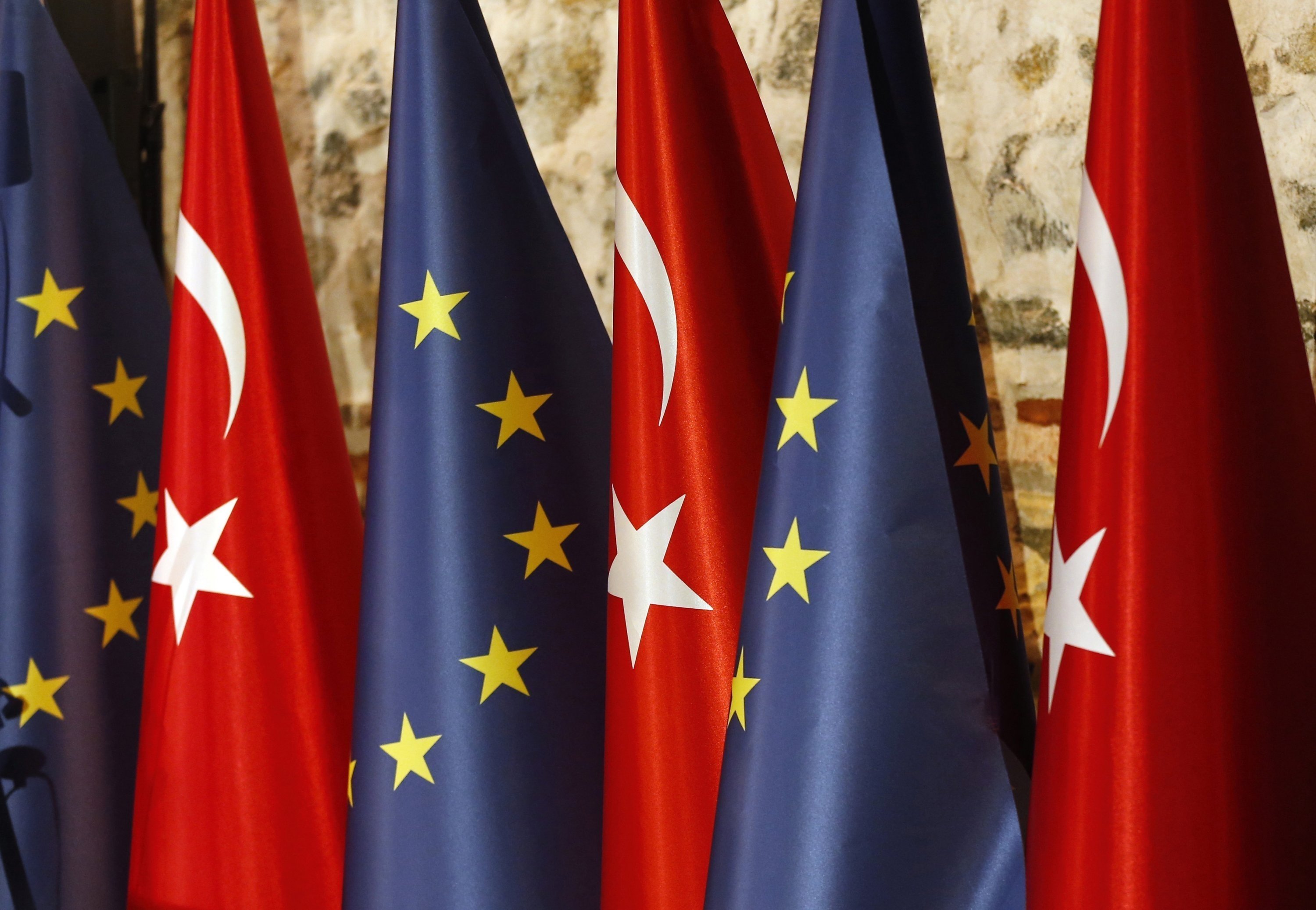
Brussels is constructing a defense architecture that marginalizes its most capable non-EU military partner. This is not merely an injustice to Türkiye. It is a strategic miscalculation by Europe. Ankara’s task is not to seek admission but to make the cost of that miscalculation visible. When Ursula von der Leyen declared that Europe must not fall under the influence of “Russia, Türkiye or China,” the remark was swiftly walked back by Brussels as a misunderstanding. It was not. It exposed a structural ambiguity at the heart of how Europe conceptualizes Türkiye: not an enemy, but not quite a partner either. Türkiye occupies a liminal strategic space, indispensable in military terms, inconvenient in political ones. It is a NATO ally, an EU candidate country, a major trade partner, and a central actor across the Black Sea and Europe’s most urgent security files. Placing it in the same sentence as a military adversary waging war on Ukrainian soil and a systemic rival with global reach is not merely poor phrasing. It is a category error. And category errors, when institutionalized, produce strategic failures.المصدر: Daily Sabah EN | Source: Daily Sabah EN
ملاحظة تحريرية | Editorial Note: نُشر هذا المقال في الأصل بواسطة Daily Sabah EN. خبر (Khabr) هي منصة إعلامية أردنية مرخّصة تعمل بالذكاء الاصطناعي. نضيف قيمة تحريرية من خلال: تحليل ذكي للأخبار، ملخصات تلقائية، رواية صوتية بالذكاء الاصطناعي، ترجمة متعددة اللغات، وتدقيق الحقائق. هدفنا جعل الأخبار أكثر وضوحاً وسهولةً للقارئ العربي.
This article was originally published by Daily Sabah EN. Khabr is a licensed Jordanian AI-powered news platform (Registration #82086). We add editorial value through: AI-powered news analysis, automated summaries, AI audio narration, multi-language translation (Arabic, English, French, Turkish), and AI fact-checking. Our mission is to make news more accessible and understandable for Arabic-speaking audiences worldwide.