Escalation in U.S.-Iran Conflict: 10th Consecutive Night of Airstrikes Following Fatal Attacks on Troops
•The U.S.-Iran conflict has intensified, with airstrikes occurring for ten consecutive nights following fatal attacks on U.S. troops.
•Recent airstrikes targeted Iranian-backed militia groups in Iraq and Syria, aiming to protect U.S. interests.
•The international community is urging restraint and diplomatic solutions as Iranian leaders vow retaliation against American forces.
المصدر: خبر - ترند | Source: خبر - ترندBackground of the Conflict
The ongoing conflict between the United States and Iran has escalated dramatically over the past few weeks, following a series of attacks that resulted in the deaths of three U.S. service members and injuries to nearly 100 others. This situation has prompted the U.S. military to launch a series of retaliatory airstrikes aimed at Iranian-backed militia groups in Iraq and Syria.
Details of the Recent Strikes
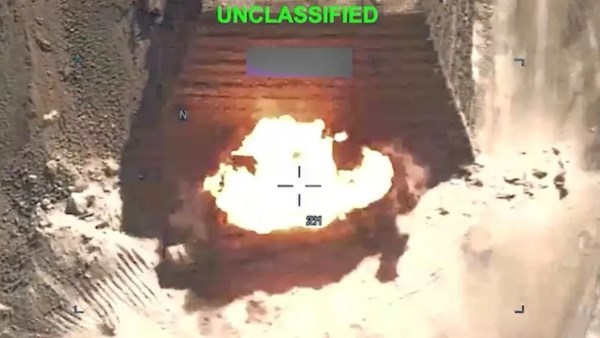
On the evening of October 22, 2023, U.S. forces conducted airstrikes that marked the tenth consecutive night of military action in the region. The strikes targeted sites identified as belonging to Iranian proxy forces, which the U.S. has blamed for the attacks on American personnel. These operations have been described as a necessary response to protect U.S. interests and to deter further aggression from Iranian forces.
Casualties and Impact
The recent wave of violence has taken a toll on American troops, with three soldiers losing their lives and almost 100 sustaining injuries in various skirmishes and attacks since early October. This significant loss has prompted discussions within the U.S. government regarding the safety of troops deployed in volatile regions and the need for a strategic reassessment of military operations in the Middle East.
International Reactions
The international community has expressed concern over the escalating conflict. Several allied nations have called for restraint from both the U.S. and Iran, advocating for diplomatic solutions to prevent further loss of life. Meanwhile, Iranian leaders have vowed to retaliate against American forces, further complicating the already tense situation.
The Road Ahead
As the U.S. military continues its campaign of airstrikes, questions remain regarding the effectiveness of this strategy in curbing Iranian influence in the region. Analysts warn that without a comprehensive diplomatic strategy, the cycle of violence may only deepen, leading to more casualties and instability in the area.
Conclusion
The ongoing U.S. strikes are part of a broader strategy to counter Iranian aggression, but as the situation unfolds, the potential for escalation remains high. The U.S. administration is under pressure to balance military action with diplomatic efforts to ensure the safety of American troops and to stabilize the region.
→The U.S.-Iran conflict has intensified, with airstrikes occurring for ten consecutive nights following fatal attacks on U.S. troops.
→Recent airstrikes targeted Iranian-backed militia groups in Iraq and Syria, aiming to protect U.S. interests.
ملاحظة تحريرية | Editorial Note: نُشر هذا المقال في الأصل بواسطة خبر - ترند. خبر (Khabr) هي منصة إعلامية أردنية مرخّصة تعمل بالذكاء الاصطناعي. نضيف قيمة تحريرية من خلال: تحليل ذكي للأخبار، ملخصات تلقائية، رواية صوتية بالذكاء الاصطناعي، ترجمة متعددة اللغات، وتدقيق الحقائق. هدفنا جعل الأخبار أكثر وضوحاً وسهولةً للقارئ العربي.
This article was originally published by خبر - ترند. Khabr is a licensed Jordanian AI-powered news platform (Registration #82086). We add editorial value through: AI-powered news analysis, automated summaries, AI audio narration, multi-language translation (Arabic, English, French, Turkish), and AI fact-checking. Our mission is to make news more accessible and understandable for Arabic-speaking audiences worldwide.