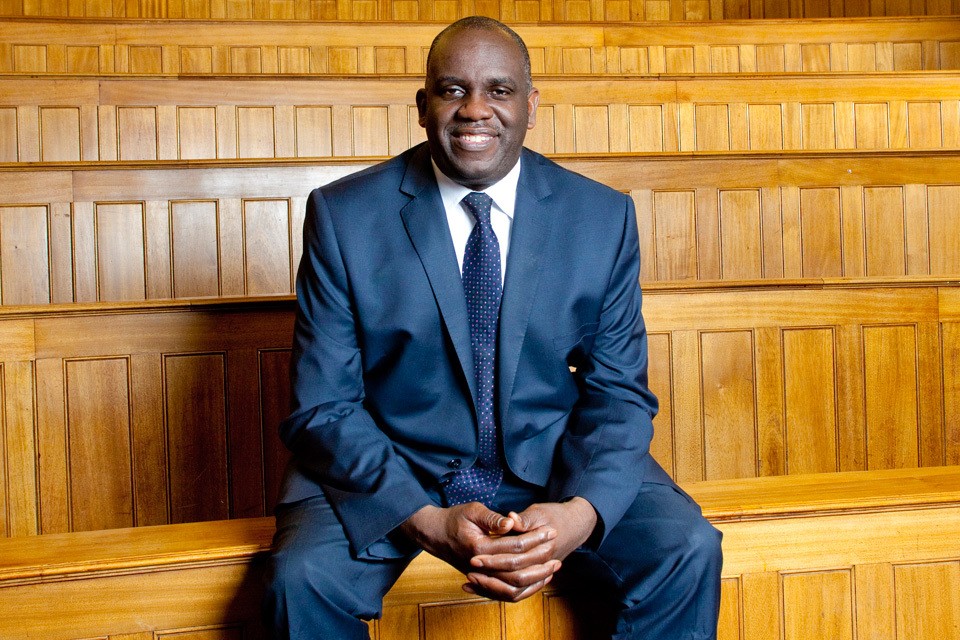
Lord Sewell has suggested the Equality Act has become a "monster" as he called for further scrutiny of the legislation in a wide ranging and damning report.
The report, entitled: "Some More Equal Than Others: The Case Against the Equality Act", suggests the 2010 legislation has "quietly reshaped our society".
Written by Director of the Don't Divide Us campaign group Alka Sehgal Cuthbert and employment and equality barrister Anna Loutfi, it was welcomed by the life peer as well as Reform UK's Suella Braverman and Shadow Women's and Equality Minister Claire Coutinho MP.
In the report, Lord Sewell said the Act, first introduced by the Labour Government and subsequently upheld by the Conservatives, has largely avoided scrutiny since its inception.
In the report, he said: "The Equality Act is qualitatively different from earlier anti-discrimination legislation.
"It was demonstrably the product of a sustained campaign by internationalist lawyers seeking to revolutionise traditional British understandings of equality, freedom, and discrimination.
"The Act’s core features, protected characteristics, the Public Sector Equality Duty, and the requirement for positive action, have together created a system of justified discrimination.
"We built a monster. The original intent of anti-discrimination law was to give citizens legal recourse against discriminatory acts. Instead, we created something far more ambitious: a framework that grants sweeping powers to the state and its agencies to actively enforce equality."
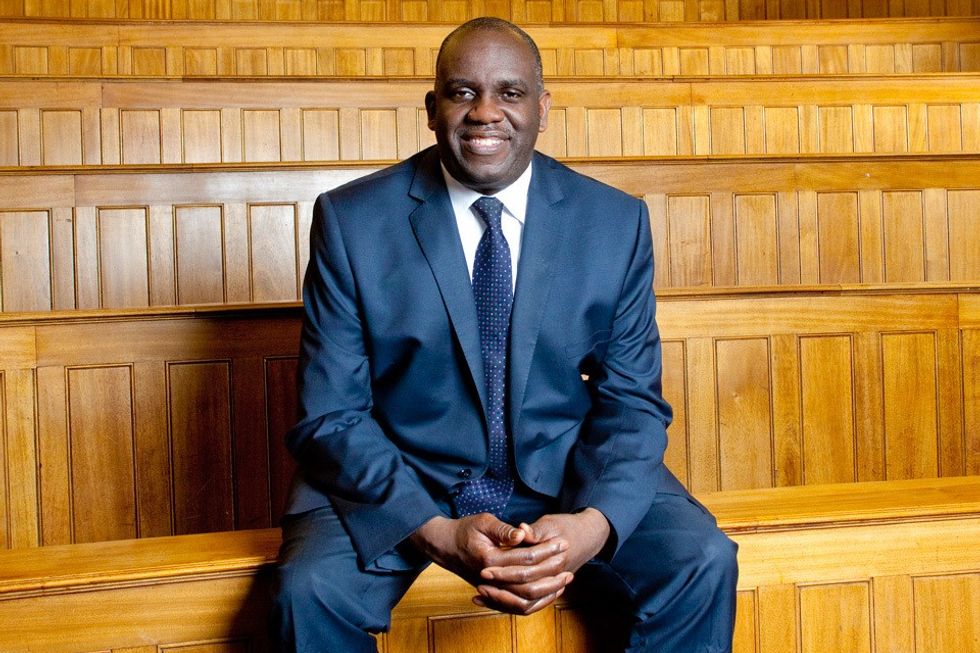
Going on to highlight the problems with the Act in its current form, Lord Sewell argues the problem is "not merely that this power exists, it is that access to it remains unevenly distributed".
He goes on to point out two absentees from the list of the Act's protected characteristics are "class and geography", which Lord Sewell argues are the two "factors that most reliably determine one’s prospects in modern Britain".
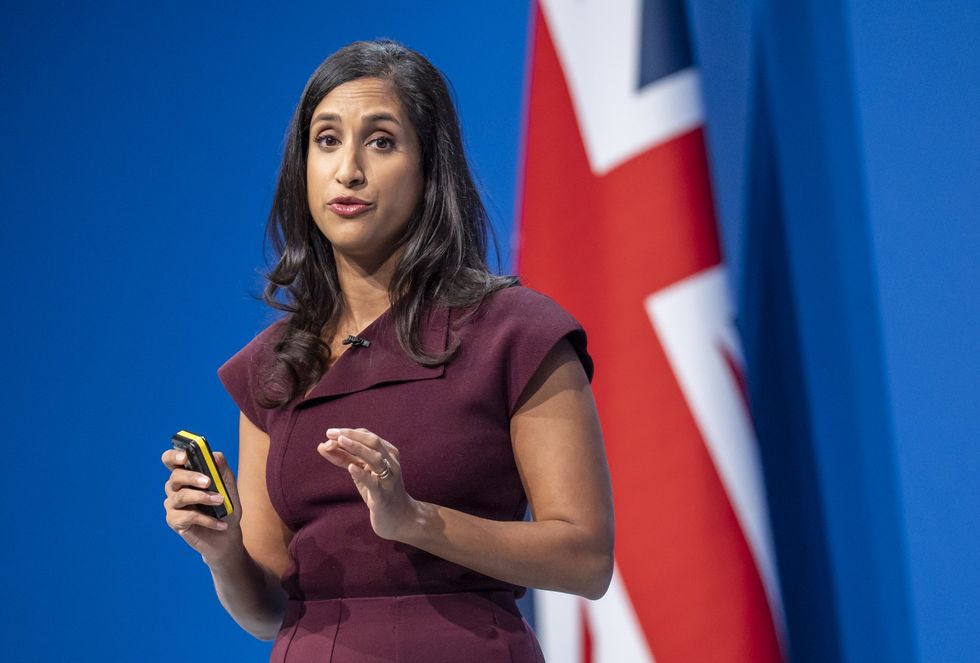
Ms Coutinho said: "When the Equality Act was drawn up it brought together decades of anti-discrimination legislation, but it also created new duties which have allowed identity politics and grievance culture to run rife.
"Across workplaces and within the public sector, promoting the needs of minority groups has caused division and distracted too many organisations from their core purpose."
LATEST DEVELOPMENTS
- Richard Tice blasts 'copycat Tories for borrowing' Reform's stance on Equality Act despite having 14 years in power: 'Never forget!'
- Equalities watchdog forced to move office after threats from trans activists
- WATCH: Conservative MP calls for change to employment rights within Equality Act
Reform MP for Fareham and Waterlooville Mrs Braverman said: "The Equality Act has never lived up to its name. Quite the reverse.
"Rather than ensuring that everyone in Britain is treated equally, it has created a system of discrimination across the public sector and in the workplace. Groups such as white working-class boys are now denied opportunities purely because of the colour of their skin.
"The British people never consented to this divisive legal regime; it was thrust upon them by a dying New Labour government, under the influence of distant European judges and lawyers.
"We never needed it: British law was and is already perfectly capable of protecting people from discrimination"

The report recommends the Government to "either repeal or fundamental reform of the Equality Act", suggesting the act has left Britons "less equal, less free, and with more justified discrimination than at any time in living memory."
It reads: "When first presented, the Equality Act was portrayed as a simple consolidation and simplification of existing anti-discrimination legislation, ranging from the Race Relations Act 1965 to more recent Acts such as the Disability Discrimination Act 1995. This paper proves this characterisation entirely false."
The report went on to say: "Earlier anti-discrimination legislation such as the Race Relations Act 1965 largely confined itself to restricting specific acts of discrimination during a period of much greater political participation.
"The Equality Act was the product of an international group of lawyers imposing wide-ranging positive law upon the British public amidst dwindling voter turnout."

In its conclusion, the report gives three options on how to deal with the bill's alleged failings.
Firstly, and most drastically, the report calls for "a full repeal, with subsequent action such as abolition of the Equality and Human Rights Commission, a common law restoration committee, and a review of Advisory, Conciliation and Arbitration Service."
Secondly, the report suggests a replacement of the Act with a "bare" anti-discrimination framework which includes disability, which it argues could be achieved via amendment to the Employment Rights Act 1996.
Lastly, the report calls for a partial repeal, targeting the "most egregious elements of the Act", including "positive action, indirect discrimination, harassment, equal work, religion and belief protections, and gender reassignment provisions."
GB News has contacted the Cabinet Office for a comment.
Our Standards: The GB News Editorial Charter