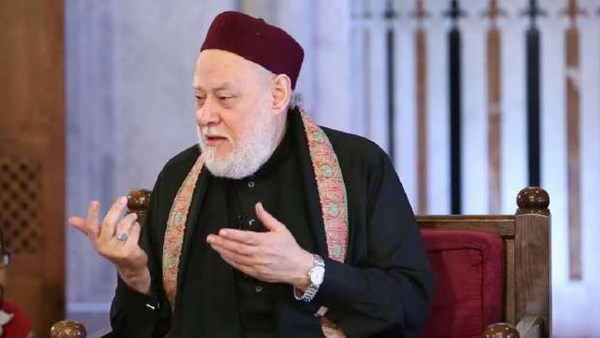
'Eccentric training' may beat conventional workouts for strength and fitness, scientists say
•New findings are challenging conventional wisdom about building strength and fitness, suggesting the slow lowering of a weight, or the controlled descent into a squat, may be where the greatest benefi...
•The approach "offers unique advantages over concentric or isometric exercise, particularly in promoting neuromuscular adaptations".
•TRENDING Stories Videos Your Say Rather than focusing on lifting weights upward, this method focuses on controlled lowering - the phase when muscles lengthen rather than contract."The idea that e...
هذا الخبر من GB News. خبر يقدم أدوات ذكاء اصطناعي للتلخيص والترجمة والاستماع.
المصدر: GB News | Source: GB NewsNew findings are challenging conventional wisdom about building strength and fitness, suggesting the slow lowering of a weight, or the controlled descent into a squat, may be where the greatest benefits lie.
Professor Kazunori Nosaka's paper, published in the Journal of Sport and Health Science, revealed that eccentric exercise - concentrating on the descending portion of movements - delivers advantages over traditional training methods.
"Eccentric exercise training provides numerous benefits for physical fitness and overall health, making it suitable for a wide range of individuals," wrote Professor Nosaka, from Edith Cowan University.
The approach "offers unique advantages over concentric or isometric exercise, particularly in promoting neuromuscular adaptations".
TRENDINGStoriesVideosYour SayRather than focusing on lifting weights upward, this method focuses on controlled lowering - the phase when muscles lengthen rather than contract.
"The idea that exercise must be exhausting or painful is holding people back," Professor Nosaka explained, suggesting eccentric movements can achieve superior results with considerably less exertion.
The scientific basis for these findings rests on how muscles function during different types of contraction.
During lengthening movements, muscles generate greater force while expending less energy compared to lifting or pulling actions.
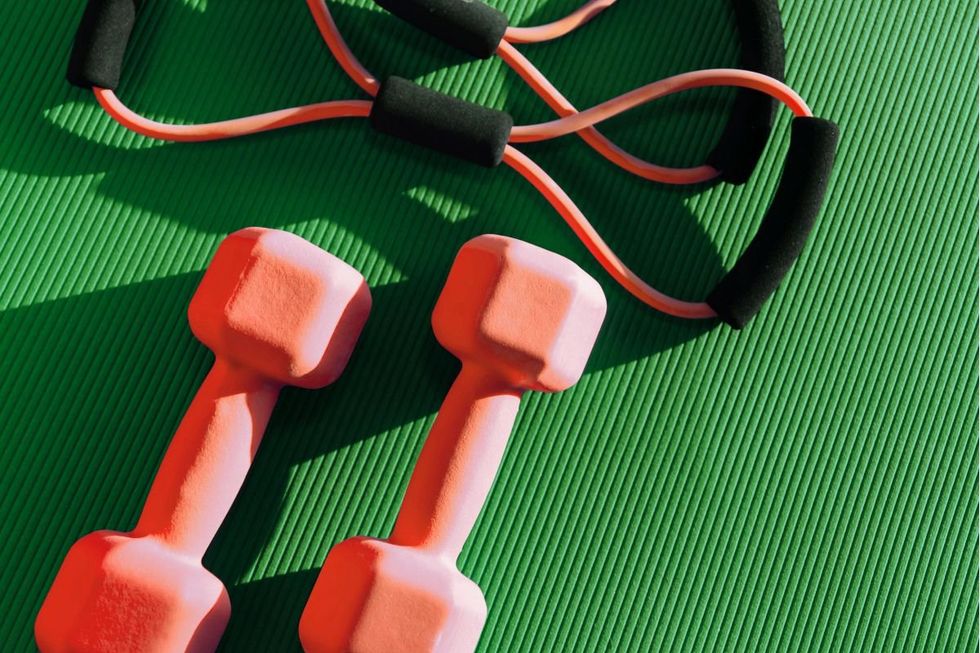
The beauty of eccentric training lies in its accessibility. Movements such as chair squats, heel drops and wall press-ups require no specialist equipment whatsoever.
Research demonstrates that dedicating merely five minutes daily to these exercises produces meaningful gains in both strength and general well-being.
LATEST DEVELOPMENTS
- NHS jab targeting dozens of cancers could slash treatment time by 90%
- How to live longer: Doctor says two types of exercise matter most for longevity
- Britons warned using nasal decongestants for more than five days carries risks
For those tackling more demanding exercises, creative adaptations exist. With pull-ups, one can simply jump or step up to position the chin above the bar, then descend as slowly as possible.
A more advanced option is to add eccentric overload by using two limbs to lift but one to lower, like using both legs to push up in a leg press but one in the down bit.
Eccentric exercise proves particularly well-suited for older individuals and those new to physical activity.
The movements place considerably less demand on the cardiovascular system, making them appropriate for people managing chronic health conditions.
Professor Nosaka underscored the practical nature of this approach. "These movements mirror what we already do in daily life. That makes them practical, realistic and easier to stick with," he said.
The familiar quality of these exercises - lowering oneself into a chair, descending stairs - removes barriers that often discourage people from beginning fitness programmes.
"When exercise feels achievable, people keep doing it," Professor Nosaka added.
One potential drawback warrants mention: delayed onset muscle soreness can affect beginners who overdo their initial sessions. Starting with fewer repetitions helps mitigate this issue.
Our Standards: The GB News Editorial Charter

ملاحظة تحريرية | Editorial Note: نُشر هذا المقال في الأصل بواسطة GB News. خبر (Khabr) هي منصة إعلامية أردنية مرخّصة تعمل بالذكاء الاصطناعي. نضيف قيمة تحريرية من خلال: تحليل ذكي للأخبار، ملخصات تلقائية، رواية صوتية بالذكاء الاصطناعي، ترجمة متعددة اللغات، وتدقيق الحقائق. هدفنا جعل الأخبار أكثر وضوحاً وسهولةً للقارئ العربي.
This article was originally published by GB News. Khabr is a licensed Jordanian AI-powered news platform (Registration #82086). We add editorial value through: AI-powered news analysis, automated summaries, AI audio narration, multi-language translation (Arabic, English, French, Turkish), and AI fact-checking. Our mission is to make news more accessible and understandable for Arabic-speaking audiences worldwide.