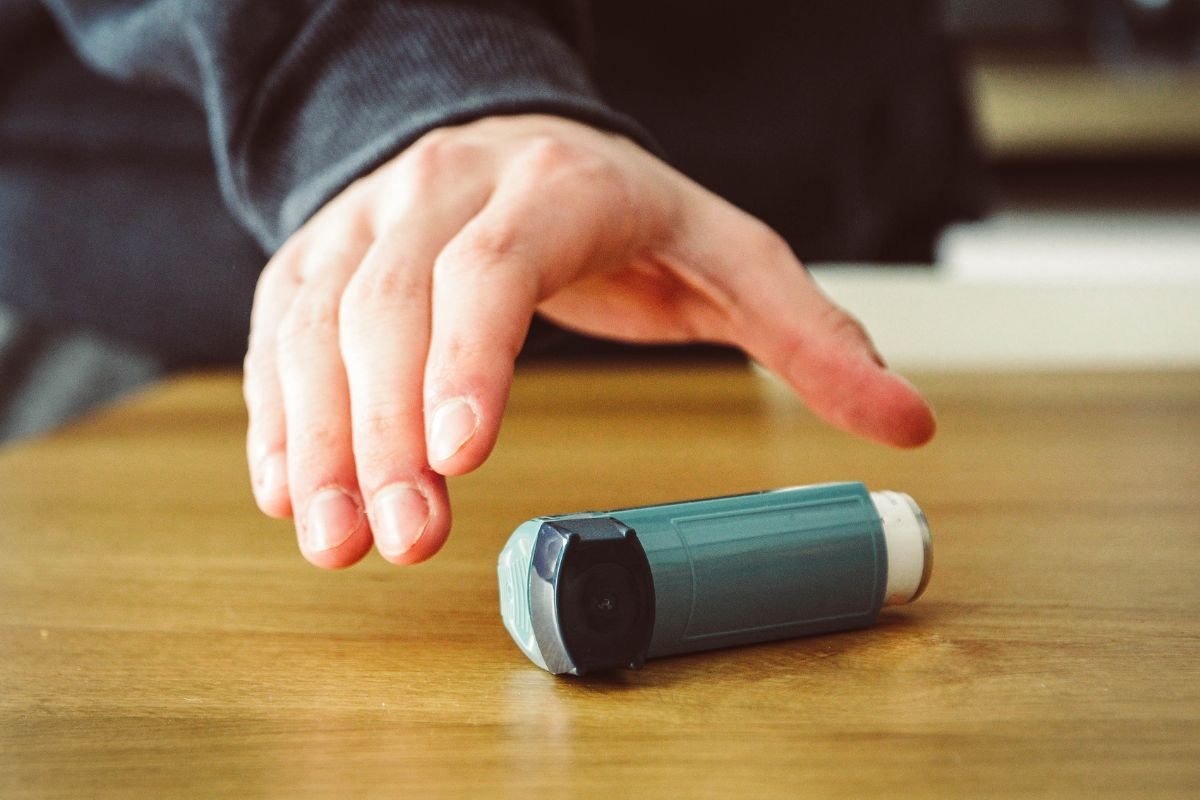
Doctors hail 'life-saving' shift for asthmatics as blue inhalers ditched for modern devices
•Britain is witnessing a fundamental transformation in how asthma is managed, with more than one million patients now relying on modern dual-action inhalers rather than the familiar blue devices that h...
•TRENDING Stories Videos Your Say The new devices work by both preventing symptoms and offering immediate relief when needed.
•Lee Newton-Proctor exemplifies the profound difference these new inhalers can make.
هذا الخبر من GB News. خبر يقدم أدوات ذكاء اصطناعي للتلخيص والترجمة والاستماع.
المصدر: GB News | Source: GB NewsBritain is witnessing a fundamental transformation in how asthma is managed, with more than one million patients now relying on modern dual-action inhalers rather than the familiar blue devices that have long been a staple of treatment.
The shift follows guidance issued by the National Institute for Health and Care Excellence in 2024, which recommended these combination inhalers as the preferred option.
For the first time, those using the newer devices outnumber patients dependent on traditional blue inhalers.
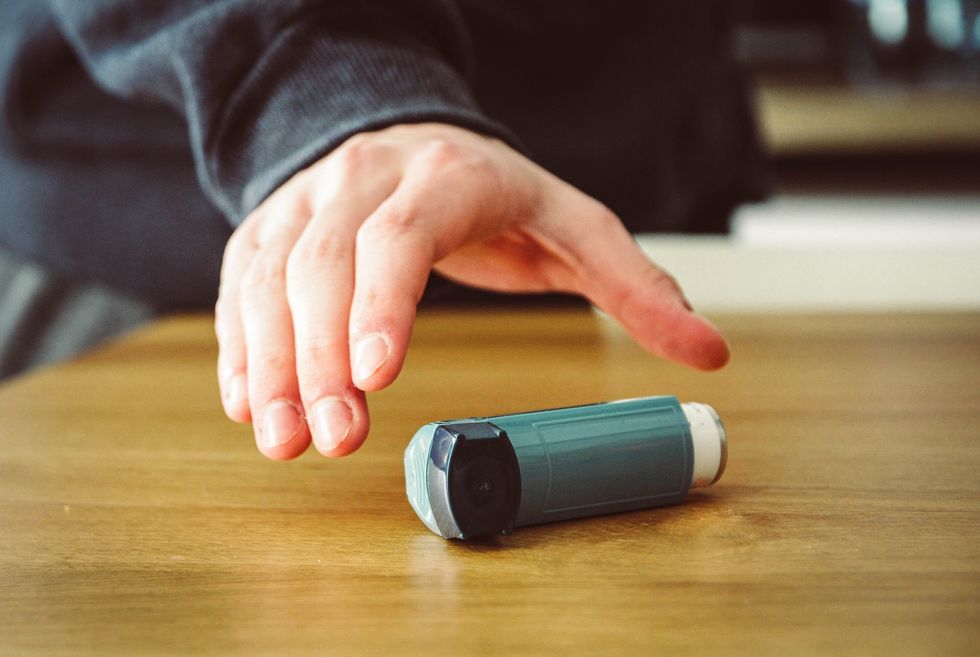
Medical professionals have described this transition as a "life-saving cultural shift," noting the conventional blue inhalers, while providing temporary relief, can actually worsen the condition when overused.
TRENDINGStoriesVideosYour SayThe new devices work by both preventing symptoms and offering immediate relief when needed.
Lee Newton-Proctor exemplifies the profound difference these new inhalers can make. The 41-year-old has lived with asthma since early childhood, enduring 18 hospital admissions by his late thirties and requiring up to 18 blue inhalers annually.
"My life has been transformed," Newton-Proctor told The Times of his experience since switching treatments.
In the twelve months prior to changing his medication, he had been absent from work for more than five weeks due to his condition. The improvement has been remarkable.
"I no longer feel asthmatic... I can do what I want, when I want," he added.
His story represents the experience of over a million Britons who have now adopted the combination inhaler approach, moving away from devices that merely masked their symptoms.
The medical community has grown increasingly concerned about the dangers posed by traditional blue inhalers when used in isolation.
Amina al-Yassin, a GP and clinical lead for children and young people's services at Brent Integrated Care Partnership, said: "They make people feel better, but only briefly.
"We now know that over time they are likely to make asthma worse. Seeing a blue inhaler used alone is now a dangerous sign to me."
LATEST DEVELOPMENTS
- Four products removed from Amazon over choking, fire and electrocution risks
- How to live longer: Doctor says two types of exercise matter most for longevity
- Britons warned using nasal decongestants for more than five days carries risks
Nearly half of those using blue inhalers received more than two prescriptions during 2024/25, a threshold doctors frequently regard as indicating overuse.
Donna Peat, an advanced respiratory practitioner at Lancashire Teaching Hospitals NHS Trust, said: "Moving away from Saba towards anti-inflammatory therapy is not just a guideline update; it is a life-saving cultural shift.
"This simple intervention can be life-changing and, in some cases, literally save a life."
The benefits to the NHS from this transition are substantial.
According to calculations from NICE, for every 10,000 patients who switch to the newer inhalers, there would be 1,133 fewer GP appointments, 144 fewer A&E visits and 80 fewer hospital admissions annually.
Sunil Gupta, GP clinical adviser at Nice, said: "This guideline marks a real turning point for asthma care in England.
"Seeing more than a million people already using these new inhalers is genuinely encouraging. We know change takes time, but the direction of travel is right."
Emma Rubach, head of health advice at Asthma + Lung UK, emphasised patients requiring their reliever inhaler three or more times weekly may face a heightened risk of a life-threatening attack and should seek a medication review promptly.
Our Standards: The GB News Editorial Charter

ملاحظة تحريرية | Editorial Note: نُشر هذا المقال في الأصل بواسطة GB News. خبر (Khabr) هي منصة إعلامية أردنية مرخّصة تعمل بالذكاء الاصطناعي. نضيف قيمة تحريرية من خلال: تحليل ذكي للأخبار، ملخصات تلقائية، رواية صوتية بالذكاء الاصطناعي، ترجمة متعددة اللغات، وتدقيق الحقائق. هدفنا جعل الأخبار أكثر وضوحاً وسهولةً للقارئ العربي.
This article was originally published by GB News. Khabr is a licensed Jordanian AI-powered news platform (Registration #82086). We add editorial value through: AI-powered news analysis, automated summaries, AI audio narration, multi-language translation (Arabic, English, French, Turkish), and AI fact-checking. Our mission is to make news more accessible and understandable for Arabic-speaking audiences worldwide.