Despite Trump’s claims of a decimated Iranian military, why Tehran still threatens Hormuz shipping
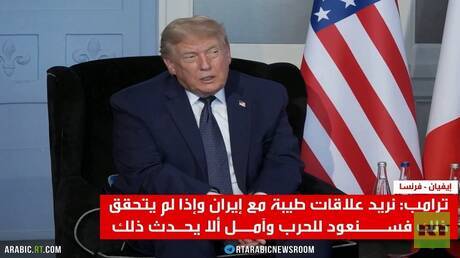
المصدر: Gulf News | Source: Gulf NewsDubai: President Donald Trump said Iran’s military had been “decimated” after weeks of US-led strikes, but new intelligence assessments cited by The New York Times suggest Tehran still retains enough missile capability to threaten shipping through the Strait of Hormuz.
The report said classified US assessments found Iran has regained operational access to 30 of its 33 missile sites along the strategic waterway, raising concerns over the security of commercial shipping, oil tankers and US naval assets in the Gulf.
The findings appear to contradict repeated public claims by Trump and senior Pentagon officials that Iran’s military had been severely weakened during the conflict.
The Strait of Hormuz remains one of the world’s most critical energy chokepoints, with roughly one-fifth of global oil shipments passing through the narrow corridor.
Mobile launchers remain active
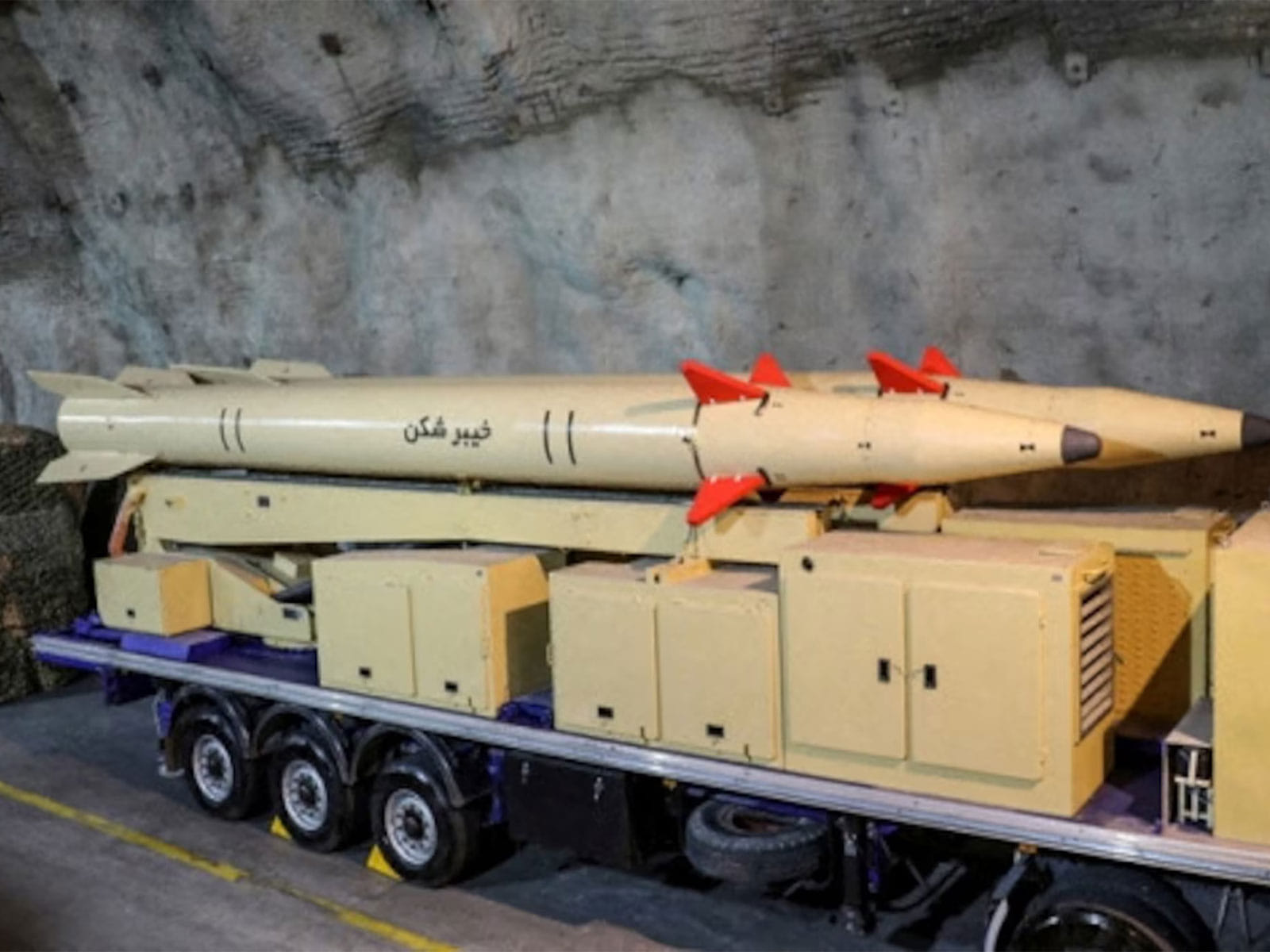
According to The New York Times, intelligence agencies assessed that Iran still retains about 70 per cent of its mobile missile launchers and much of its prewar missile stockpile, including ballistic and cruise missiles.
Officials familiar with the assessments reportedly said Iran has restored access to nearly 90 per cent of its underground missile storage and launch facilities nationwide, many of which are now considered partially or fully operational.
Why it matters
Iran reportedly retains access to 30 of 33 Hormuz missile sites
Intelligence assessments contradict claims Iran was “decimated”
Tehran still allegedly controls about 70% of mobile missile launchers
Hormuz remains vulnerable to renewed military escalation
US missile stockpiles reportedly heavily depleted during conflict
Gulf shipping and global energy markets remain exposed to disruption
The report said some of the missile sites along Hormuz can still launch missiles directly from existing launchpads, while others allow mobile launchers to move weapons to alternate firing locations.
The developments are likely to deepen concerns among Gulf states and international shipping operators already alarmed by repeated Iranian threats against maritime traffic in the region.
Questions over US war claims
The intelligence findings, according to the report, contrast sharply with public statements made by Trump administration officials during and after the conflict.
On March 9, Trump reportedly claimed Iran’s missile capability had been reduced to “a scatter,” while Defence Secretary Pete Hegseth later declared that the joint US-Israeli campaign had rendered Iran “combat-ineffective for years.”
However, the new assessments suggest Tehran’s military infrastructure proved more resilient than publicly acknowledged.
White House officials dismissed the intelligence concerns, insisting Iran’s military had been “crushed” and accusing critics of undermining the success of the operation.
Pentagon spokesman Sean Parnell also defended the campaign, saying the US military still possessed sufficient capabilities and munitions to carry out its missions globally.
Hormuz threat remains central
The report is likely to intensify debate over the fragile ceasefire and the continuing threat posed by Iran’s military posture near Hormuz.
Iran has repeatedly used the strategic waterway as leverage during the conflict, threatening shipping routes and warning that foreign vessels could face restrictions or attack.
Regional officials and international maritime bodies have repeatedly stressed that international waterways cannot be controlled or weaponised by any state.
The latest intelligence assessments also highlight the enormous military cost of the war for Washington.
According to The New York Times, the United States expended more than 1,000 Tomahawk missiles, over 1,300 Patriot interceptor missiles and roughly 1,100 long-range stealth cruise missiles during the conflict — placing significant pressure on American stockpiles.
Military planners reportedly avoided fully destroying some of Iran’s hardened underground missile sites because of limited supplies of bunker-busting munitions and concerns about preserving weapons reserves for potential future conflicts involving China or North Korea.
ملاحظة تحريرية | Editorial Note: نُشر هذا المقال في الأصل بواسطة Gulf News. خبر (Khabr) هي منصة إعلامية أردنية مرخّصة تعمل بالذكاء الاصطناعي. نضيف قيمة تحريرية من خلال: تحليل ذكي للأخبار، ملخصات تلقائية، رواية صوتية بالذكاء الاصطناعي، ترجمة متعددة اللغات، وتدقيق الحقائق. هدفنا جعل الأخبار أكثر وضوحاً وسهولةً للقارئ العربي.
This article was originally published by Gulf News. Khabr is a licensed Jordanian AI-powered news platform (Registration #82086). We add editorial value through: AI-powered news analysis, automated summaries, AI audio narration, multi-language translation (Arabic, English, French, Turkish), and AI fact-checking. Our mission is to make news more accessible and understandable for Arabic-speaking audiences worldwide.