Costly fuel pushes more Indians to buy electric cars but challenges remain
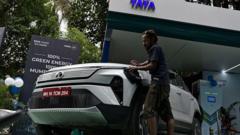
•Costly fuel pushes more Indians to buy electric cars but challenges remain Just nowShareSaveAdd as preferred on GoogleNikhil InamdarNurPhoto via Getty ImagesInterest in electric cars has spiked sharpl...
•A slew of indicators suggests the transition may finally be gathering momentum.The market for electric cars expanded by a solid 25% in the year ending March 2026, while EVs crossed the important 5% th...
•Electric three-wheelers and motorbikes already account for more than 30% and 15% of sales in their respective categories.Interest in electric cars has spiked sharply in the last few months, particular...
هذا الخبر من BBC Science. خبر يقدم أدوات ذكاء اصطناعي للتلخيص والترجمة والاستماع.
ملاحظة تحريرية | Editorial Note: نُشر هذا المقال في الأصل بواسطة BBC Science. خبر (Khabr) هي منصة إعلامية أردنية مرخّصة تعمل بالذكاء الاصطناعي. نضيف قيمة تحريرية من خلال: تحليل ذكي للأخبار، ملخصات تلقائية، رواية صوتية بالذكاء الاصطناعي، ترجمة متعددة اللغات، وتدقيق الحقائق. هدفنا جعل الأخبار أكثر وضوحاً وسهولةً للقارئ العربي.
This article was originally published by BBC Science. Khabr is a licensed Jordanian AI-powered news platform (Registration #82086). We add editorial value through: AI-powered news analysis, automated summaries, AI audio narration, multi-language translation (Arabic, English, French, Turkish), and AI fact-checking. Our mission is to make news more accessible and understandable for Arabic-speaking audiences worldwide.