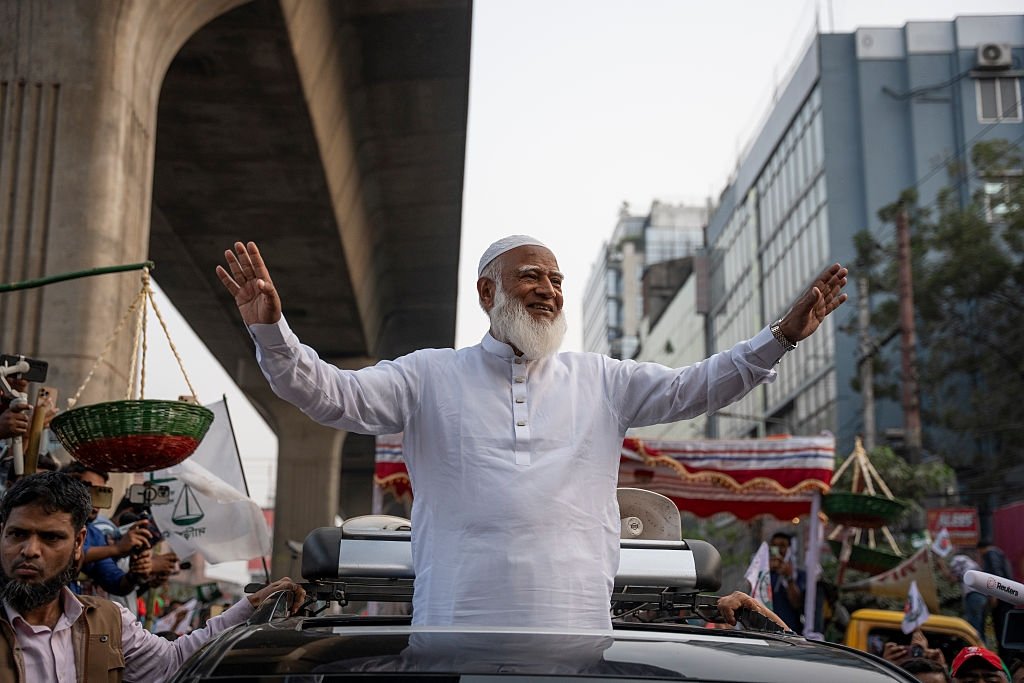
Conservative opposition doesn’t mean an upsurge in Bangladesh
The recent national election in Bangladesh has produced a headline that many foreign observers find fascinating. Jamaat-e-Islami, the country’s oldest and most established conservative party, has emerged as the single most powerful opposition force in Parliament. Some international outlets have framed Jamaat’s gains as evidence of a conservative resurgence in Bangladesh. Drawing such a conclusion is too quick, and it confuses parliamentary arithmetic with ideological transformation. The numbers are indeed compelling and deserve attention. Domestic reporting shows that Jamaat won 68 seats on its own, while the Jamaat-led alliance secured 77 seats in total, making it the main opposition bloc. This is the party’s strongest result in its history. Its previous best single-party performance was 18 seats in 1991. But precisely because these numbers are impressive, they must be interpreted carefully. Large electoral outcomes can result from structural conditions that have little to do with a deep shift in public belief.المصدر: Daily Sabah EN | Source: Daily Sabah EN
ملاحظة تحريرية | Editorial Note: نُشر هذا المقال في الأصل بواسطة Daily Sabah EN. خبر (Khabr) هي منصة إعلامية أردنية مرخّصة تعمل بالذكاء الاصطناعي. نضيف قيمة تحريرية من خلال: تحليل ذكي للأخبار، ملخصات تلقائية، رواية صوتية بالذكاء الاصطناعي، ترجمة متعددة اللغات، وتدقيق الحقائق. هدفنا جعل الأخبار أكثر وضوحاً وسهولةً للقارئ العربي.
This article was originally published by Daily Sabah EN. Khabr is a licensed Jordanian AI-powered news platform (Registration #82086). We add editorial value through: AI-powered news analysis, automated summaries, AI audio narration, multi-language translation (Arabic, English, French, Turkish), and AI fact-checking. Our mission is to make news more accessible and understandable for Arabic-speaking audiences worldwide.