CIA director brought paramilitary leader involved in Maduro capture to Cuba meeting
✨ AI Summary
🔊 جاري الاستماع
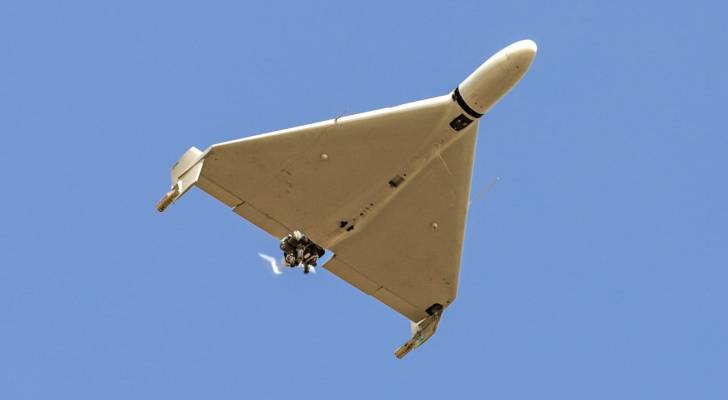
Exclusive Politics CIA director brought paramilitary leader involved in Maduro capture to Cuba meeting, sources say By Jim DeFede, Jim DeFede Jim DeFede joined CBS4 News in January 2006 and serves as an investigative reporter for the station, as well as host of its Sunday morning public affairs program "Facing South Florida." Read Full Bio Jim DeFede, Jennifer Jacobs, Jennifer Jacobs Senior White House reporter Jennifer Jacobs is a senior White House reporter at CBS News. Read Full Bio Jennifer Jacobs, James LaPorta James LaPorta National security coordinating producer James LaPorta is the national security coordinating producer for the CBS News' Washington bureau. He is a former U.S. Marine veteran infantryman and veteran of the Afghanistan war. Read Full Bio James LaPorta Updated on: May 22, 2026 / 5:54 PM EDT / CBS News Add CBS News on Google When CIA Director John Ratcliffe visited Havana last week for a rare meeting with senior Cuban officials, he brought along one of the operators involved in the U.S. mission to capture then-Venezuelan leader Nicolás Maduro earlier this year, multiple people familiar with the matter told CBS News. Venezuela and Cuba were key allies before Maduro's arrest, and the Cuban government has said 32 of its military and police officers were killed in the January operation to extract Maduro. Ratcliffe made a point of introducing the paramilitary leader to the Cubans as the one who killed their people in Venezuela, several sources said. The presence of a paramilitary officer who was involved in capturing a key partner of the Cuban government just months earlier may have been intended to send a signal. Spokespeople for the CIA did not immediately respond to a request for comment. Ratcliffe's visit followed months of pressure on Cuba. The administration has threatened steep tariffs on any countries that export oil to the island nation, leading to severe fuel shortages. Secretary of State Marco Rubio has said the country needs to make fundamental economic and political reforms, and President Trump has floated a "friendly takeover" of the island, which has vexed U.S. administrations since Cuba's communist movement rose to power in 1959. Hours after the Maduro raid, Rubio pointed to Cuba's ties to Venezuela, telling reporters that Venezuela's "whole spy agency" was "full of Cubans." "If I lived in Havana and I was in the government, I'd be concerned, at least a little bit," he said. A CIA official said Ratcliffe delivered a message to Cuba that the U.S. is "prepared to seriously engage on economic and security issues, but only if Cuba makes fundamental changes." A meeting between CIA Director John Ratcliffe and senior Cuban officials, including several people with blurred-out faces on Ratcliffe's side of the table. Central Intelligence Agency One of the figures that Ratcliffe met with was Raúl Rodriguez Castro, or "Raulito," the grandson of former Cuban President Raúl Castro, the CIA official told CBS News last week. Less than a week later, an indictment against the 94-year-old elder Castro was unsealed in U.S. federal court, charging him with murder and conspiracy for Cuba's fatal downing of two planes in 1996. The meeting between an American spy chief and a member of the Castro family carried the long shadow of a Cold War struggle that helped define relations between Washington and Havana for more than half a century. Cuban officials likely remember the history of covert American efforts to undermine the government of Fidel Castro, particularly after the failed Bay of Pigs invasion and the launch of Operation Mongoose, the clandestine campaign overseen by the Kennedy administration to destabilize the island's communist government. Relations between the U.S. and Cuba are still impacted by that fraught history. Rubio told reporters Thursday that Cuba "not only has weapons that they've acquired from Russia and China over the years, but they also host Russia and Chinese intelligence presence in their country." A CIA official said last week Ratcliffe discussed "security issues" with Cuban officials "against the backdrop that Cuba can no longer be a safe haven for adversaries in the Western Hemisphere." Meanwhile, as tensions rise, the U.S. intelligence community has been exploring how Cuba might respond to American military action, CBS News reported earlier this week. CBS News has also confirmed that Cuba has acquired attack drones. Cuban President Miguel Díaz-Canel Bermúdez said this week Cuba "poses no threat" to the U.S., but he warned of a "bloodbath" if the U.S. military carries out strikes. Olivia Gazis contributed to this report. More from CBS News DOJ veterans fear probe into ex-CIA director is being stacked with Trump loyalists