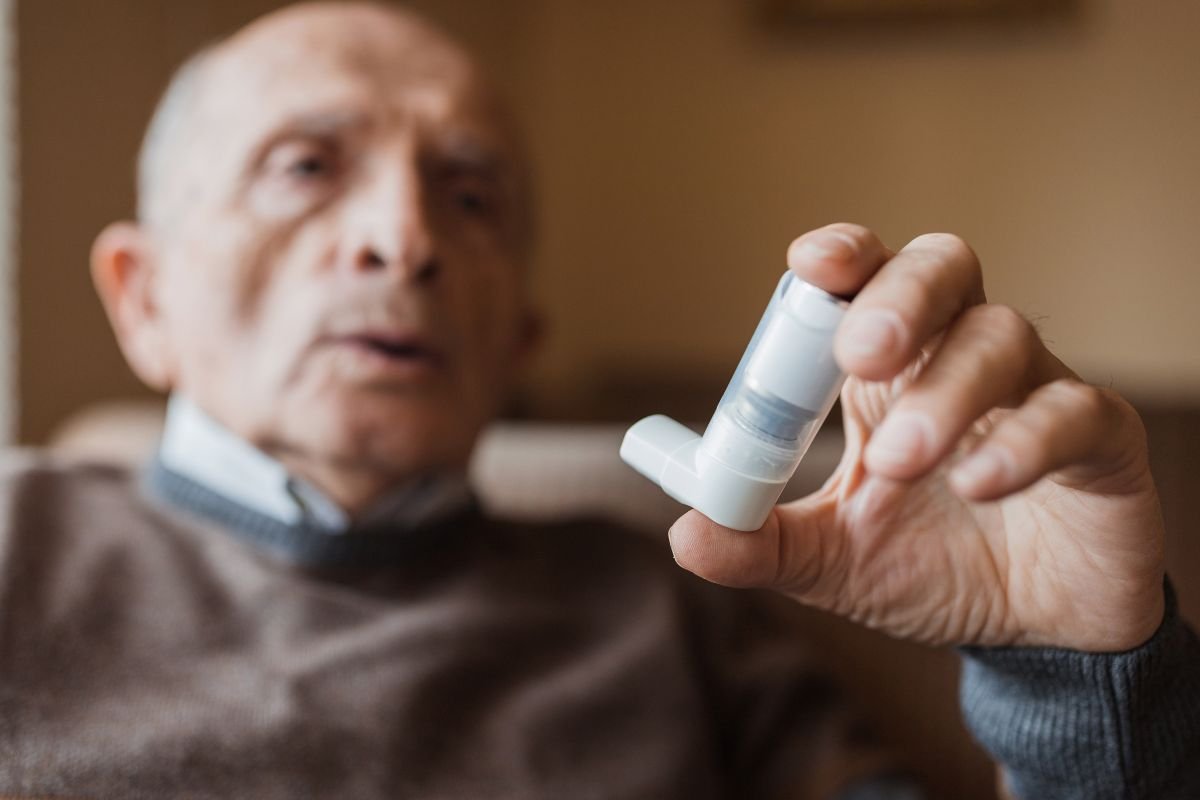
The Medicines and Healthcare products Regulatory Agency has urged Britons to safeguard their medications as the current heatwave continues across the country.
The regulator warned that elevated temperatures can compromise the effectiveness of treatments, particularly for those managing chronic health conditions.
Alison Cave, Chief Safety Officer at the MHRA, said: "Let's face it, when there's a heatwave, most of us are focused on getting outside and enjoying it while it lasts.
"But it's easy to forget that medicines left in the heat in cars, bags, or on sunny windowsills might not work properly when you need them."
Certain medications can heighten susceptibility to sunburn, dizziness and dehydration, especially for individuals with asthma, heart disease or diabetes.
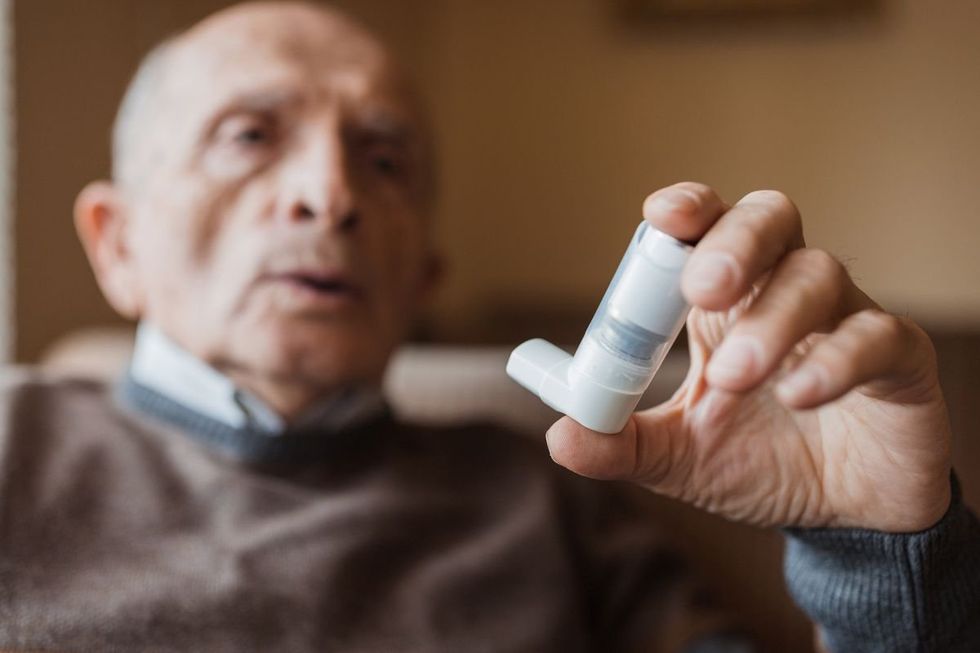
The majority of medications require storage at temperatures below 25C, yet vehicles, public transport and sun-facing rooms can rapidly exceed this threshold.
Even carrying tablets in bags or pockets throughout the day poses risks, particularly during outdoor events or beach visits.
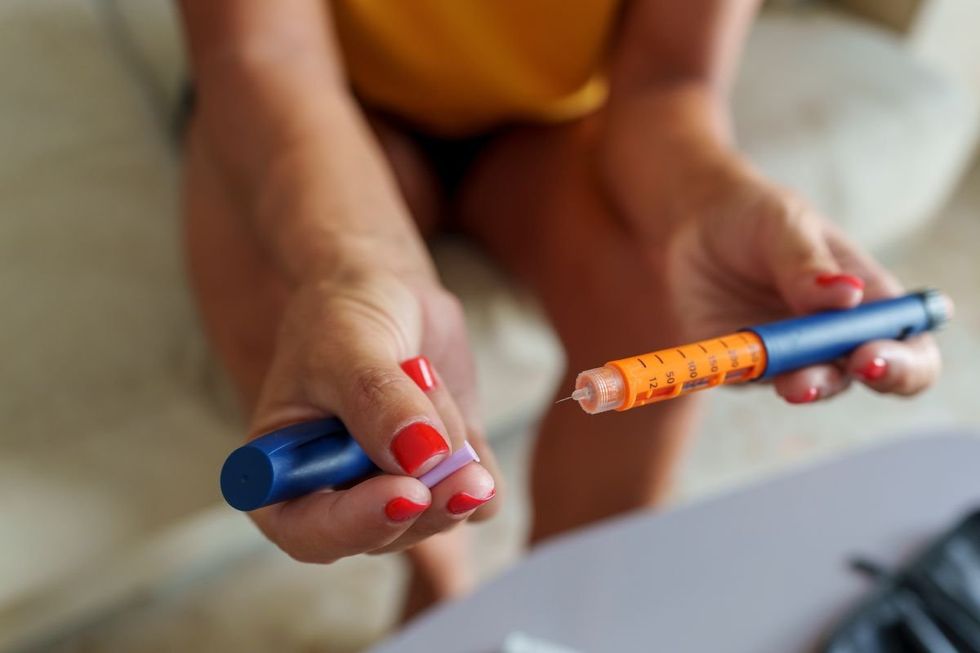
Excessive heat degrades the active compounds within treatments, rendering them ineffective when needed most. This applies to tablets, inhalers, hormone patches, insulin and EpiPens alike.
Refrigerated medicines such as insulin and liquid antibiotics face heightened vulnerability if left unrefrigerated for extended periods.
LATEST DEVELOPMENTS
- Nutritionist warns popular snack is a ‘big mistake’ during a heatwave
- 'Zombie' cell urine test could catch lung cancer months before symptoms start
- 'I'm a longevity expert – a blind spot in your daily routine could be shaving years off your life'
The MHRA advises that any medication displaying altered colouration, unusual odours or changed texture may have suffered heat damage.
Those noticing such changes should seek guidance from their pharmacist before continuing use.
A cool bag offers practical protection for those spending prolonged periods outdoors.
Those taking diuretics such as furosemide face particular challenges, as these water tablets already increase fluid loss through urination, risking dehydration and mineral imbalances.
Blood pressure treatments including ACE inhibitors, beta-blockers and calcium channel blockers can impair the body's temperature regulation during sudden hot spells.
ACE inhibitors may even suppress natural thirst signals, making it harder to recognise when fluids are needed.
Diabetes medications, including insulin and metformin, similarly elevate dehydration risks whilst masking early warning signs.
Antipsychotic drugs and stimulant medications for attention disorders can raise body temperature, increasing the likelihood of overheating.
Symptoms of dehydration include dizziness, headaches, fatigue, confusion and dark urine. Older adults, young children and those with heart or kidney conditions face the greatest danger.
Anyone feeling unwell should move somewhere cooler, drink water gradually and seek medical advice if symptoms persist.
Many common medications heighten the skin's sensitivity to ultraviolet light, even during overcast conditions, with antibiotics, diuretics, antidepressants and treatments for acne or eczema all carrying this risk.
Painkillers such as ibuprofen and naproxen occasionally cause mild photosensitivity, though typically only with prolonged use.
Methotrexate demands particular caution. Prescribed for rheumatoid arthritis, psoriasis, Crohn's disease and cancer, it can trigger extreme sun sensitivity at even modest doses.
Reactions may include painful rashes, blistering and swelling resembling severe burns. Serious infections have occurred in rare instances.
Brief outdoor exposure during a lunchtime stroll or sunny train journey can prove sufficient to provoke a reaction in susceptible individuals.
The MHRA recommends consulting patient information leaflets or speaking with a pharmacist to determine whether any prescribed medication increases sunburn risk.
Our Standards: The GB News Editorial Charter