Britons urged to act this national Hedgehog Awareness Week to protect declining species
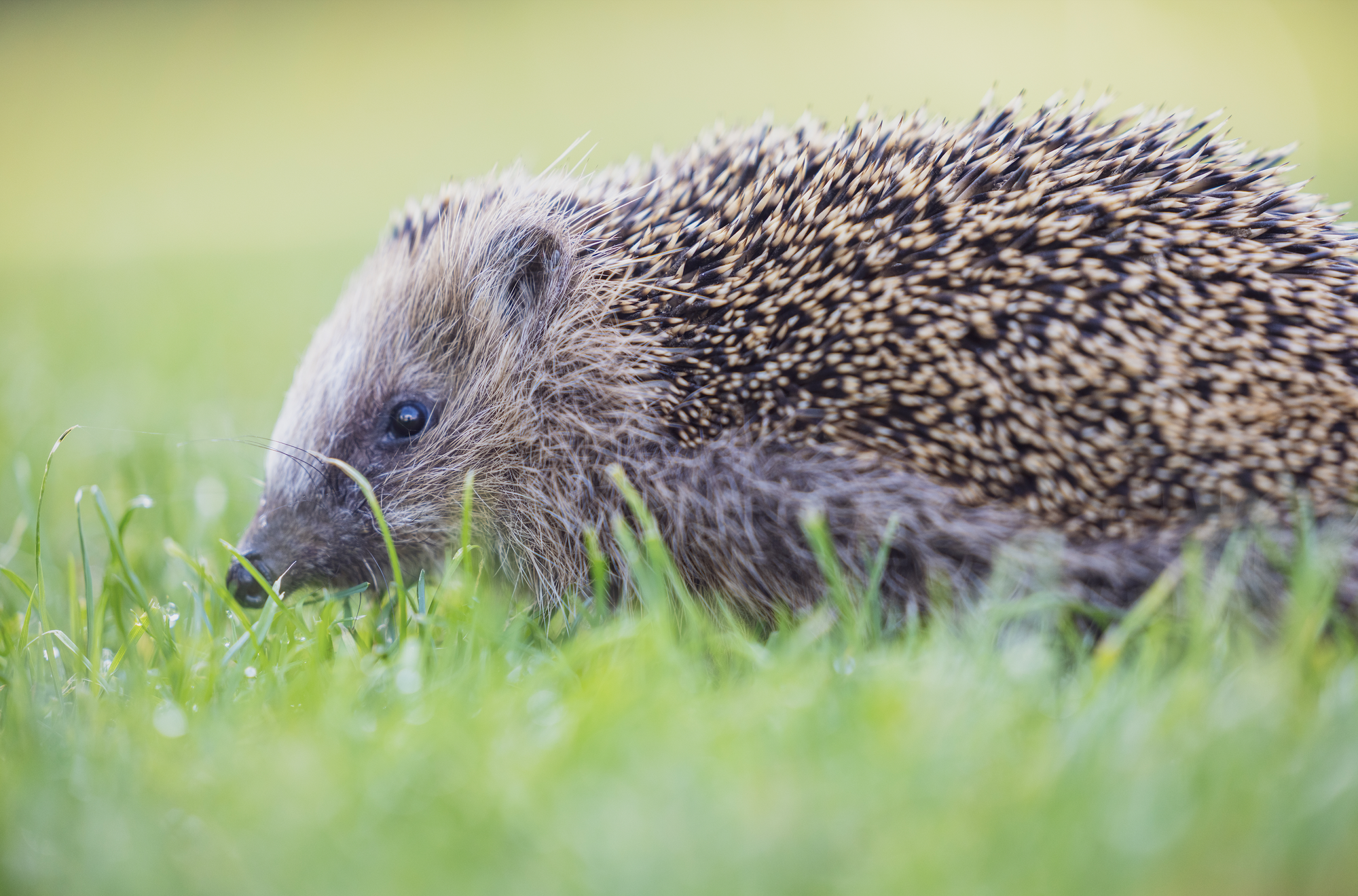
•Britons are being urged to do more to protect one of the nation's best loved creatures this Hedgehog Awareness Week.The annual campaign runs from 3rd–9th May and is organised by the British Hedgehog P...
•It encourages public action, such as creating habitats, checking for hedgehogs before gardening, and removing hazards.It comes as the hedgehog has seen dramatic population falls in recent decades, dri...
•It has been running for 13 years and there are currently 43 sick or injured hedgehogs under the care of founder of the charity, Lucy Felgate-Baumberg.
هذا الخبر من GB News. خبر يقدم أدوات ذكاء اصطناعي للتلخيص والترجمة والاستماع.
المصدر: GB News | Source: GB NewsBritons are being urged to do more to protect one of the nation's best loved creatures this Hedgehog Awareness Week.
The annual campaign runs from 3rd–9th May and is organised by the British Hedgehog Preservation Society to highlight the decline of UK hedgehog populations and promote conservation. It encourages public action, such as creating habitats, checking for hedgehogs before gardening, and removing hazards.
It comes as the hedgehog has seen dramatic population falls in recent decades, driven largely by habitat loss, fragmentation and dwindling food supplies, with conservationists warning that without widespread public involvement, the species - a cornerstone of British wildlife - faces an uncertain future.
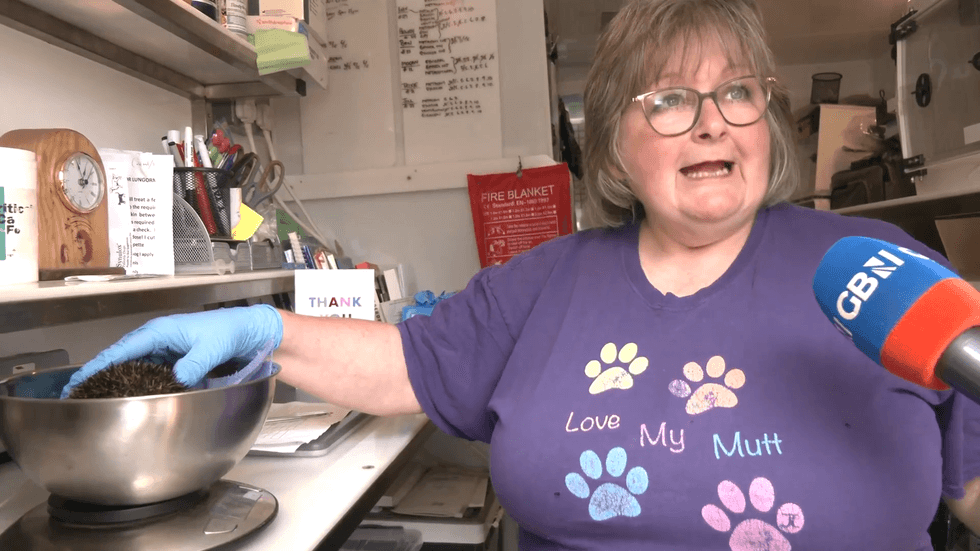
GB News visited Lucky Hedgehog Rescue, a community interest company in the village of Grimston, East Yorkshire. It has been running for 13 years and there are currently 43 sick or injured hedgehogs under the care of founder of the charity, Lucy Felgate-Baumberg.
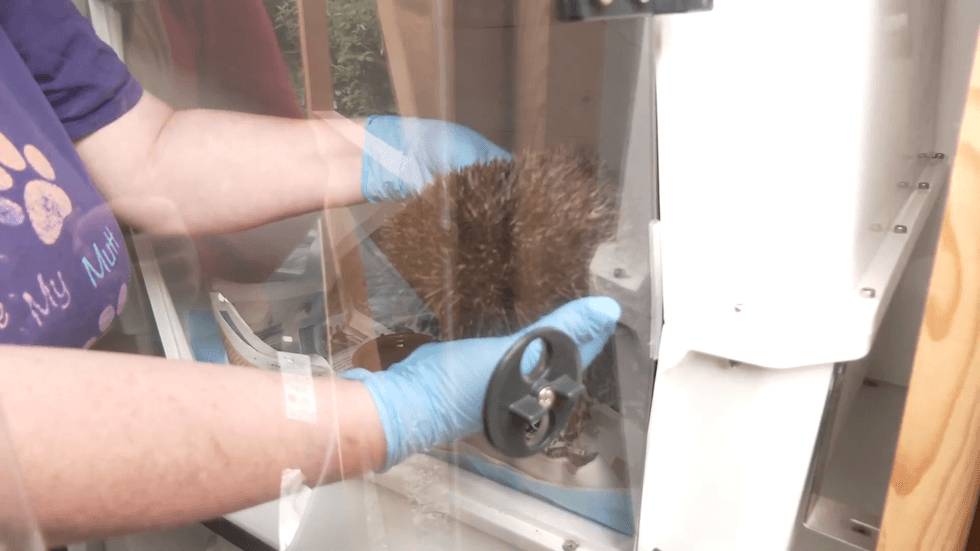
TRENDINGStoriesVideosYour SayOne hedgehog, Ben, had a broken leg that was recently amputated at Barton Veterinary Centre. Lucy said: "It's a hind leg and he's thriving really, really well, but we have to take them case by case. I'm just going to check on him again and weigh him and this is what we have to do every day.
"The main injuries [to hedgehogs] we get in are caused by dog attacks - we've lost thousands to them. So if people can be aware of their dogs at night or at dusk, keep them on a lead or be with them in the garden so that they don't attack hedgehogs.
"Also strimmers cause harm to hedgehogs - the strimmers should be working their way down the overgrowth to a foot high, then you can check for animals.
"Hedgehogs will just curl up and they nest in a lot of this wild stuff. Now we've got one in at the moment with an awful injury across the top of its head, and many of them lose their legs and their babies when it's nesting season.
"Ponds need ramps, because although they can swim, they can't swim for long and if they can't get out easily, so they do drown. Drains and any holes you've dug, need to be screwed down because when hedgehogs are hungry and thirsty, they will lift those lids because they can smell the water, and then they get trapped and they drown in there, or get covered in bleach or whatever you've sent down your sink."
Lucy and her team do what they can, but the national picture is a cause for concern due to the shrinking population of hedgehogs.
In the busy summer months, the rescue has up to six poorly hedgehogs admitted daily.
Some vets are not staffed to cope with wildlife, or do not have time, and the legal grey areas surrounding medications not officially licensed for wildlife also puts off many veterinarians from providing help.
LATEST DEVELOPMENTS
Rare organ fully restored as part of major project to make church community hub- Inside 'Britain’s wokest jail' where inmates tell guards their preferred pronouns
- Locals left devastated after council agrees to convert church into new homes
But with the help of Barton Veterinary Centre, Lucy and her dedicated team of volunteers have been able to help save those that they can.
"There's all the treatment - they have medication from the vets and operations are done by the vets," said Lucy.
"General worming and treating dehydration and hypothermia is dealt with here, and then once the vets dealt with the injury, we carry on from there. It's a longer process with disabled hedgehogs, and it is a very controversial subject.
"With hind leg removal they can survive in the wild, but you must treat every single one individually. Some don't have as much strength in their other leg. Ben the hedgehog here had his leg amputated a week ago and now he's thriving.
"He's eating well, he's still on antibiotics and pain relief, just to make sure and he is running around the cage for his food, which is really good, so he's using that other leg. But what we'll also start doing is some hydrotherapy build up the strength in that leg."
Lucy also advised that if people see a hedgehog out in the day, it should be brought straight into a rescue.
"It doesn't matter if it looks all right - there's something wrong - it's very, very rare to see a female hedgehog that's nursing out in daylight. If you do see it, she will be running around with intent. She'll be looking for bedding materials, looking for food, and going straight back to where she came from," she said.
"Sick hedgehogs just lay there, collapsed or they breathe badly, or they're wobbly or flies are around them. Don't leave them and don't try to look after them yourself. It really is minutes or hours in their life."
To help the rescue with a donation, please visit the Lucky Hedgehog Rescue website: https://luckyhedgehogrescue.org.uk/ and follow them here on Facebook https://www.facebook.com/hogrescue/
Lucky Hedgehog Rescue is available 24/7 on 07507791665.
Our Standards: The GB News Editorial Charter
ملاحظة تحريرية | Editorial Note: نُشر هذا المقال في الأصل بواسطة GB News. خبر (Khabr) هي منصة إعلامية أردنية مرخّصة تعمل بالذكاء الاصطناعي. نضيف قيمة تحريرية من خلال: تحليل ذكي للأخبار، ملخصات تلقائية، رواية صوتية بالذكاء الاصطناعي، ترجمة متعددة اللغات، وتدقيق الحقائق. هدفنا جعل الأخبار أكثر وضوحاً وسهولةً للقارئ العربي.
This article was originally published by GB News. Khabr is a licensed Jordanian AI-powered news platform (Registration #82086). We add editorial value through: AI-powered news analysis, automated summaries, AI audio narration, multi-language translation (Arabic, English, French, Turkish), and AI fact-checking. Our mission is to make news more accessible and understandable for Arabic-speaking audiences worldwide.