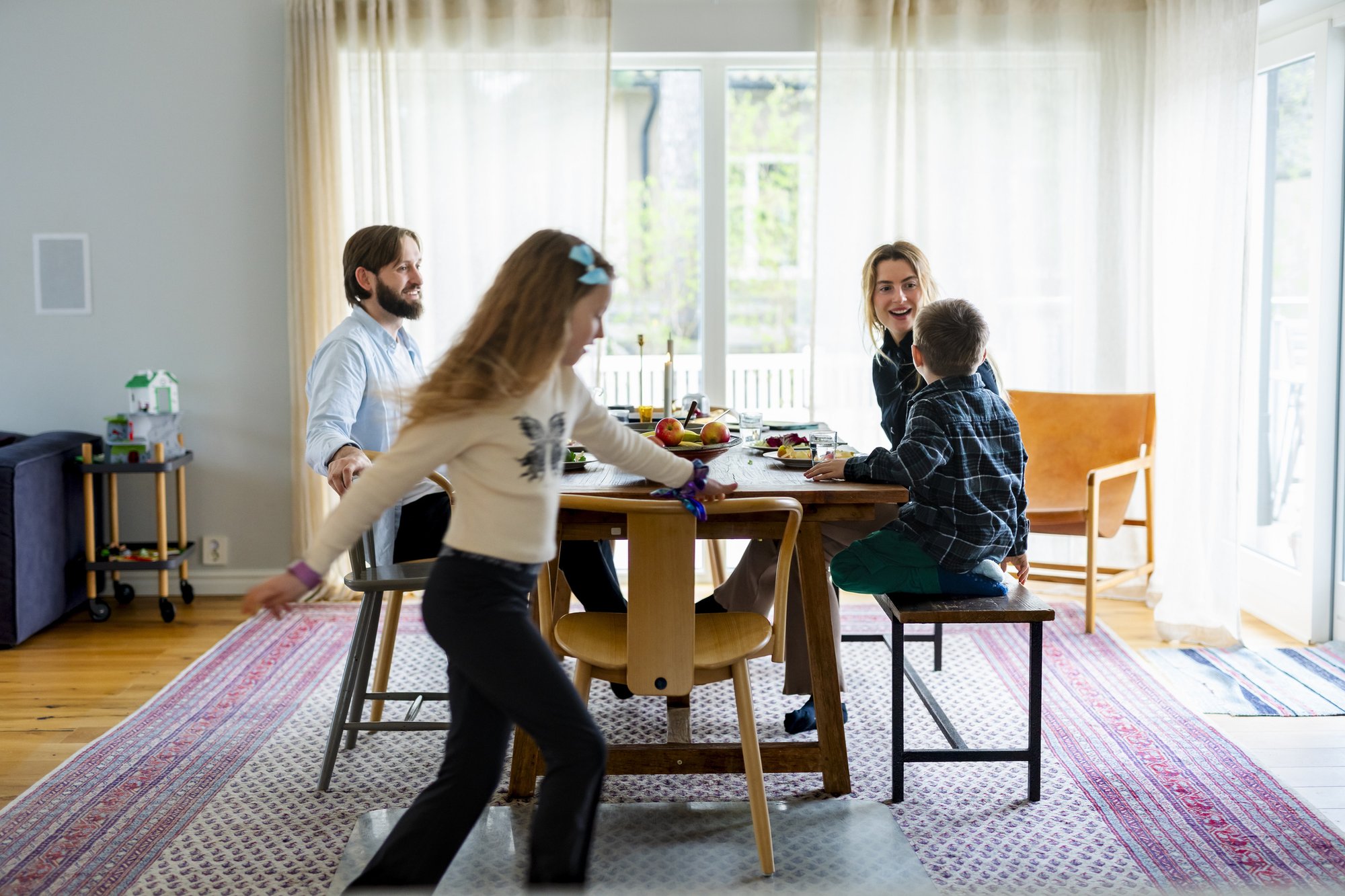
British parents are paying £400 a day to teach their children basic manners, including how to hold a conversation and eat at the table.
A recent survey of 2,000 parents and teenagers revealed 59 per cent actively try to dodge small talk, while 28 per cent dislike answering the door or phone when the caller is unknown.
Nearly a quarter described shaking hands as "excruciating".
Day-long etiquette masterclasses typically cost around £400, with small-group sessions now experiencing unprecedented demand, according to The Telegraph.
Laura Windsor, who operates an etiquette academy in London for children and adults, reports a significant surge in bookings from middle-class families over the past five years.
She told the publication: "Most of my enquiries used to come from high-net-worth families who wanted their children to have training in international etiquette.
"But I'm increasingly contacted by middle-class families who feel their children need help with basic manners."
The curriculum covers proper knife-and-fork technique, conversation starters, and even walking with a book balanced on one's head to improve posture.
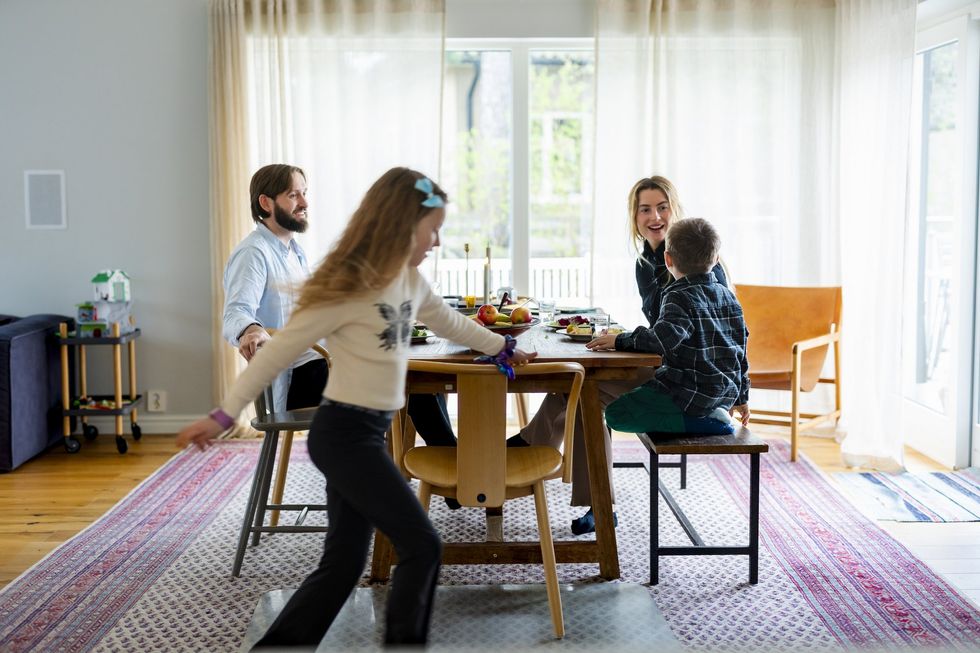
Ms Windsor added: "Discipline is a huge problem. Some children just need a little boost, but a huge number of them look at the floor when they meet me for the first time, and can't introduce themselves."
She attributes this to parents doing everything for their children, combined with rushed school mealtimes and families rarely dining together.
Laura Akano, of Polished Manners, said: "I've seen a 14-year-old boy who would only eat with his fingers because he didn't know how to use cutlery."
Children frequently report their parents remain constantly distracted by their own phones, behaviour they then mirror.
LATEST DEVELOPMENTS
- Year 6 teacher 'pulled sickie' to go on stag do in Portugal and ripped out passport pages
- EuroMillions winner who saved policeman dead after suspected hit-and-run
- Shark attack horror as surfer mauled by massive beast before being drawn underwater
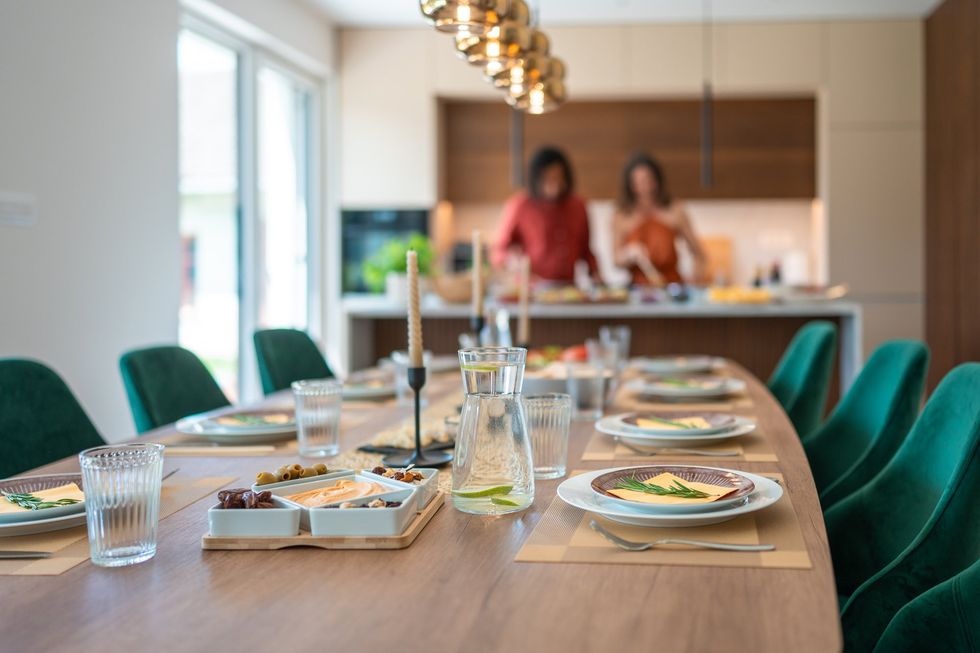
Sophie Shelton, who signed her two children up to a full-day course, said: "I've always pushed those soft skills at home, but once my daughter started secondary school, I noticed many children were struggling with them.
"Lots couldn't make eye contact and struggled to manage a 'hello', much less hold a conversation."
The Government announced plans in autumn last year to make oracy lessons compulsory within the national curriculum from 2027, incorporating presenting, debating and listening skills.
Teacher Tutu Aina-Mays enrolled her 13-year-old daughter, Michelle, in Ms Akano's course after witnessing daily confidence issues among pupils.

She said: "Since doing the etiquette classes, she's been elected head girl at school, which I think was at least partly due to her increased confidence," she says.
Ms Akano observes societal expectations have shifted dramatically.
Behaviours once considered deeply impolite, such as eating whilst walking or wearing casual attire to work, now go unnoticed.
She added: "When the general bar for manners is held so low, it's easy to set yourself apart by doing what I would consider the bare minimum."
Our Standards: The GB News Editorial Charter