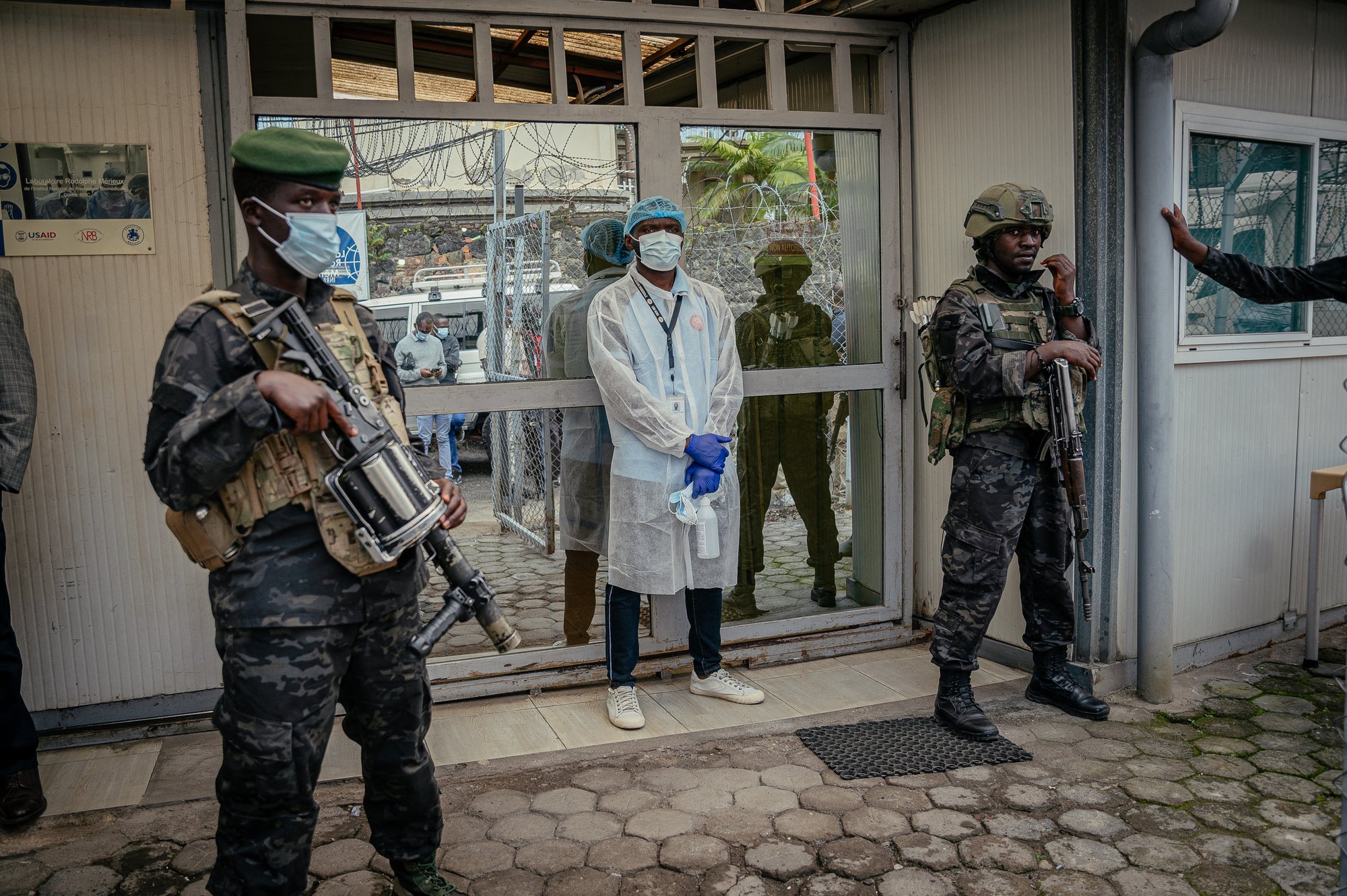
Britain sends £20million to Africa to contain Ebola outbreak after WHO issues instructions
•Britain will send more than £20million to Africa to contain the Ebola outbreak, the Foreign Secretary has confirmed.The outbreak in the eastern Democratic Republic of the Congo and Uganda is believed...
•TRENDING Stories Videos Your Say It has been designated an international emergency - but the WHO has assessed the risk of global spread as low.Foreign Secretary Yvette Cooper said: "It is vital w...
•Our Standards: The GB News Editorial Charter
هذا الخبر من GB News. خبر يقدم أدوات ذكاء اصطناعي للتلخيص والترجمة والاستماع.
المصدر: GB News | Source: GB NewsBritain will send more than £20million to Africa to contain the Ebola outbreak, the Foreign Secretary has confirmed.
The outbreak in the eastern Democratic Republic of the Congo and Uganda is believed to have killed more than 130 people.
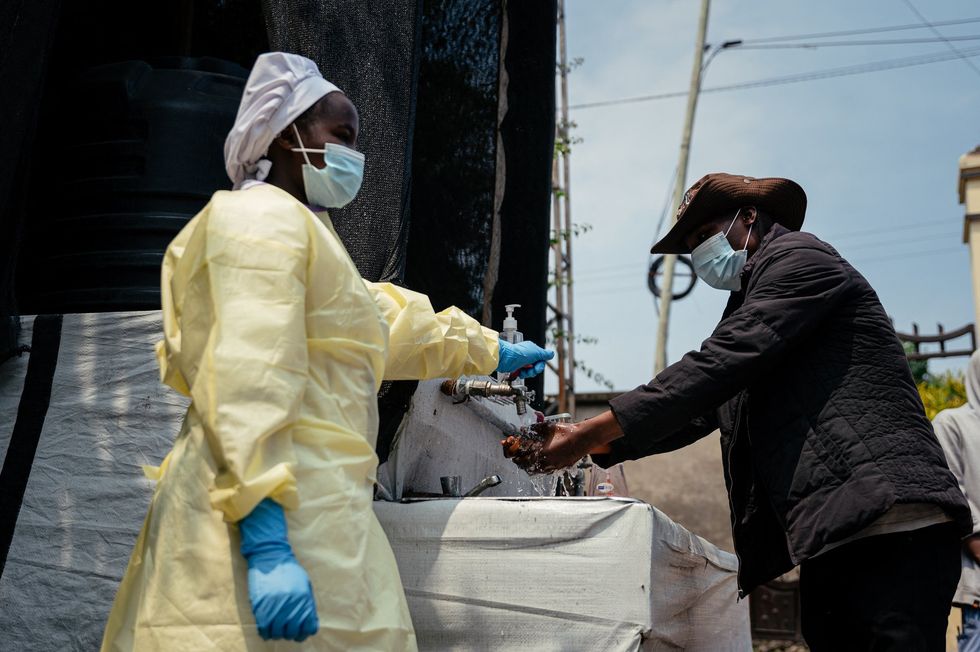
And now, British taxpayers will provide funds to contain the virus with support for frontline health workers, improved infection control and disease surveillance.
The WHO has suggested the Ebola outbreak could have been spreading for at least two months, with almost 600 cases being recorded by Congolese authorities.
TRENDINGStoriesVideosYour SayIt has been designated an international emergency - but the WHO has assessed the risk of global spread as low.
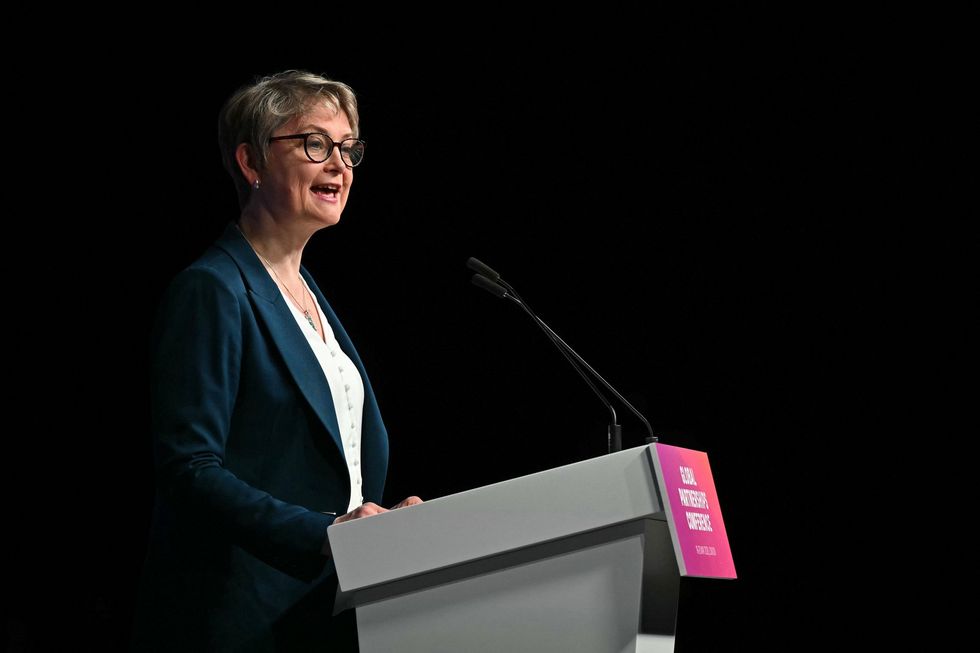
Foreign Secretary Yvette Cooper said: "It is vital we act now to save lives - outbreaks like Ebola do not stop at borders, and neither can we."
Ms Cooper is expected to chair a meeting with new Health Secretary James Murray on Thursday to co-ordinate the UK's response.
The Foreign Secretary added: "This outbreak is a stark reminder that global health threats require a global response.
"The UK is working hand-in-hand with partners – boosting much-needed funding but also sharing our technical expertise to contain the outbreak, protect our security and support those most at risk."
The WHO issued instructions to the international community after declaring a "public health emergency" over the weekend.
"No country should close its borders or place any restrictions on travel and trade," the organisation ordered.
It suggested travel measures were "usually implemented out of fear" and had "no basis in science".
EBOLA - READ MORE:
- Rare Ebola virus may already be moving undetected between major cities – here's how
- Health officials 'actively working with Fifa' to contain Ebola World Cup threat as virus tears through Africa
- Americans exposed to 'high-risk' contact with Ebola in DR Congo as one US national develops symptoms
It also warned that the implementation of travel restrictions pushes people to "informal border crossings" which could increase the spread of the disease.
"Entry screening at airports or other ports of entry outside the affected region are not considered needed for passengers returning from areas at risk," the WHO has also instructed.
The UK Health Security Agency has activated its "returning workers scheme", to monitor those travelling form the UK to the area for work.
It is also assessing routes that travellers use to enter the UK to make sure information on Ebola symptoms was available to those who need it.
Dr Mike Reynolds, incident director at the UKHSA, said: "UKHSA continues to monitor and assess the situation closely and the NHS has safe procedures in place for any such cases and specialist centres where they can be looked after."
Ebola is a highly contagious and often fatal disease generally transmitted via bodily fluids, with symptoms including high temperature, extreme tiredness, diarrhoea, muscle pain, bleeding, and vomiting.
The most significant outbreak of the disease happened took place in West Africa between 2014 and 2016, leading to more than 11,000 deaths, including one death in the US from a Liberian national in 2014.
In 2014, Donald Trump said Barack Obama should have apologised and resigned for allowing the man who contracted Ebola into the US after the then-President implemented screening checks at five international airports.
In the previous major outbreak, three British nationals contracted the disease - two nurses and an aid worker - all of whom survived.
Our Standards: The GB News Editorial Charter
ملاحظة تحريرية | Editorial Note: نُشر هذا المقال في الأصل بواسطة GB News. خبر (Khabr) هي منصة إعلامية أردنية مرخّصة تعمل بالذكاء الاصطناعي. نضيف قيمة تحريرية من خلال: تحليل ذكي للأخبار، ملخصات تلقائية، رواية صوتية بالذكاء الاصطناعي، ترجمة متعددة اللغات، وتدقيق الحقائق. هدفنا جعل الأخبار أكثر وضوحاً وسهولةً للقارئ العربي.
This article was originally published by GB News. Khabr is a licensed Jordanian AI-powered news platform (Registration #82086). We add editorial value through: AI-powered news analysis, automated summaries, AI audio narration, multi-language translation (Arabic, English, French, Turkish), and AI fact-checking. Our mission is to make news more accessible and understandable for Arabic-speaking audiences worldwide.