As Morocco’s Fields Boom, West African Workers Fill the Gap Local Labor Left Behind
المصدر: Morocco World News | Source: Morocco World NewsMarrakech – Morocco’s agricultural sector is surging back to life after seven brutal years of drought, but the hands tending its crops increasingly belong to workers from thousands of miles away.
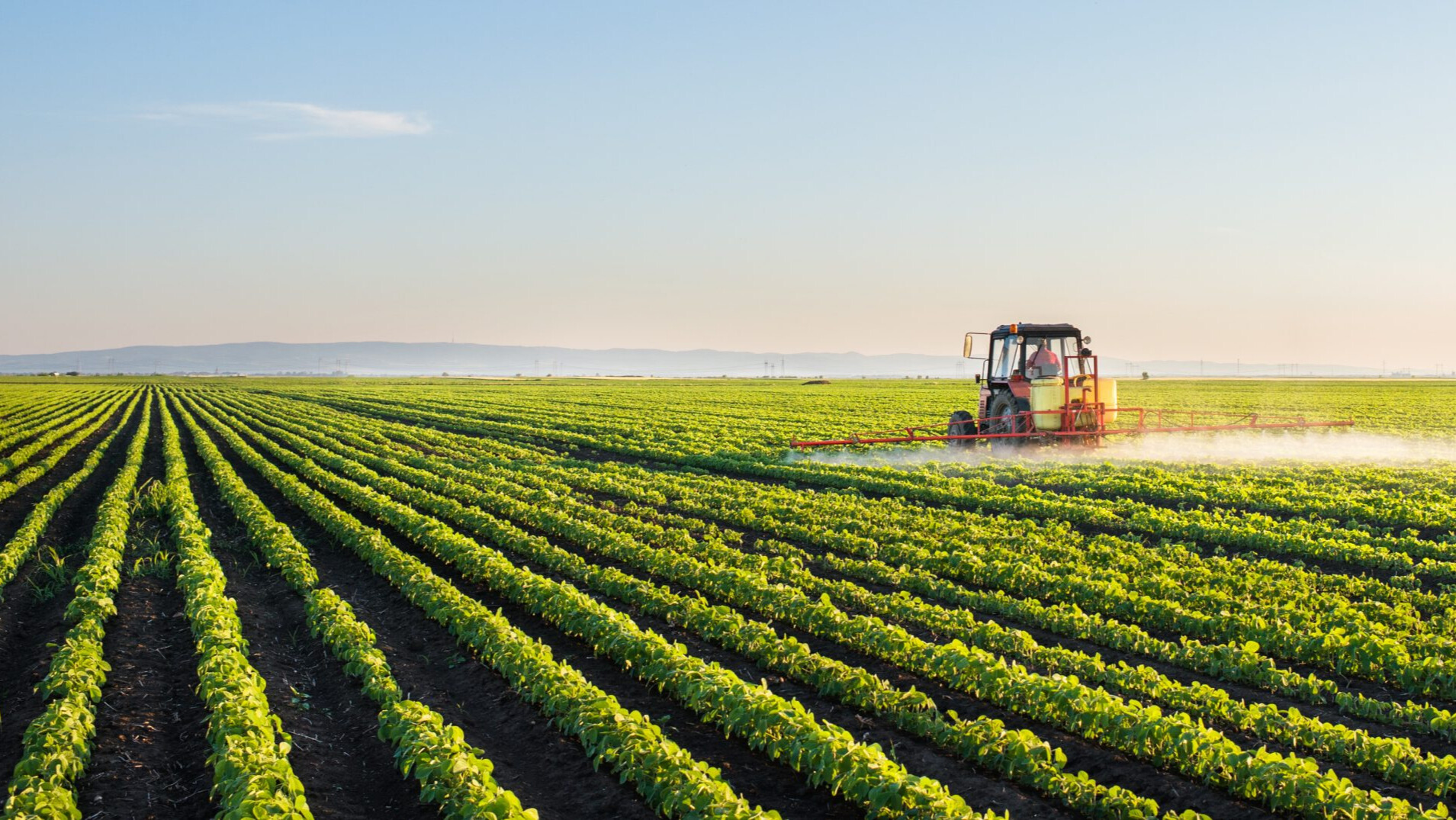
In the Chtouka plains south of Agadir, pickup trucks ferry sub-Saharan African migrants past a sprawl of plastic greenhouses that supply fresh produce to supermarkets across Europe and West Africa.
Many of these workers, largely from French-speaking nations like Togo, Senegal, and Côte d’Ivoire, originally set out for Europe. Instead, they found work in a Moroccan agricultural sector that can no longer fill its own ranks, according to Reuters.
The timing is significant. Morocco’s government is projecting a roughly 15% jump in agricultural value added this year after cumulative rainfall between September 2025 and March 2026 exceeded the 30-year average by 56%.
The country’s agricultural output expanded 14.8% year-on-year in the first quarter of 2026, according to the High Commission for Planning (HCP), the national statistics agency. Cereal production alone is expected to top 8 million metric tons this season, nearly 80% more than the previous year.
Yet this boom has deepened an already acute labor shortage. Over 24,000 hectares of greenhouse farming in Souss-Massa generate more than four-fifths of Morocco’s fruit and vegetable exports, which contributed to a 3.6% rise in agricultural exports to $4.5 billion last year, Reuters reported.
As farmers have pivoted toward labor-intensive export crops like strawberries, raspberries, and blueberries, the demand for workers has outstripped supply.
The problem is structural. Morocco’s agricultural sector has shed 1.7 million jobs since 2000 as subsistence farming declined and young Moroccans migrated to cities lured by expanding construction and services industries.
Morocco’s transition from a transit country to a country of destination
Just one in four Moroccans now works in farming, down from one in two a generation ago. Massive infrastructure spending ahead of the 2030 FIFA World Cup, projected at some MAD 190 billion ($19 billion) over the next four years, is expected to accelerate the rural exodus further.
“Without sub-Saharan labour, a number of farms could have shut down or been forced to reduce output,” Abdelaziz El Maanaoui, who heads a producers’ association in the Chtouka plains, told Reuters. Morocco’s fertility rate, now below replacement level at 1.9 children per woman, only compounds the outlook.
For migrants, the arrangement is a trade-off. Abdulfattah Aliou, a 23-year-old from Togo, earns about MAD 100 ($10) a day, a fraction of the MAD 500 ($50) that Moroccan pieceworkers can command. He sleeps outdoors to save money. “Working is better than asking for charity in the streets,” he told Reuters. He says he still plans to try for Europe eventually.
Morocco has taken steps to formalize this shift. Since 2013, more than 50,000 migrants have gained legal status through two rounds of a national regularization program launched under King Mohammed VI’s New Migration Policy.
The 2024 national census recorded 142,152 foreign-born residents, about 0.4% of the total population. Still, much of the agricultural labor force remains informal, and producers like El Maanaoui are calling for streamlined paperwork to bring more workers into the formal economy.
The trend is reshaping communities on the ground. In Ait Amira, a rural commune at the heart of the Chtouka plains, the population has quadrupled over three decades to 113,000, driven largely by the arrival of migrant laborers.
Alioun Dialou, a Senegalese worker who has been on Moroccan farms since 2008, has watched the transformation firsthand. His 11-year-old daughter attends a local school and speaks both Amazigh and Moroccan Darija.
Morocco is no longer merely a waypoint on the road to Europe. For a growing number of West African workers, it is the destination, and for an agricultural sector racing to keep pace with its own ambitions, they have become indispensable.
Read also: US Selects Morocco for $226 Million Food for Progress 2026 to Boost Agriculture
The post As Morocco’s Fields Boom, West African Workers Fill the Gap Local Labor Left Behind appeared first on Morocco World News.
ملاحظة تحريرية | Editorial Note: نُشر هذا المقال في الأصل بواسطة Morocco World News. خبر (Khabr) هي منصة إعلامية أردنية مرخّصة تعمل بالذكاء الاصطناعي. نضيف قيمة تحريرية من خلال: تحليل ذكي للأخبار، ملخصات تلقائية، رواية صوتية بالذكاء الاصطناعي، ترجمة متعددة اللغات، وتدقيق الحقائق. هدفنا جعل الأخبار أكثر وضوحاً وسهولةً للقارئ العربي.
This article was originally published by Morocco World News. Khabr is a licensed Jordanian AI-powered news platform (Registration #82086). We add editorial value through: AI-powered news analysis, automated summaries, AI audio narration, multi-language translation (Arabic, English, French, Turkish), and AI fact-checking. Our mission is to make news more accessible and understandable for Arabic-speaking audiences worldwide.