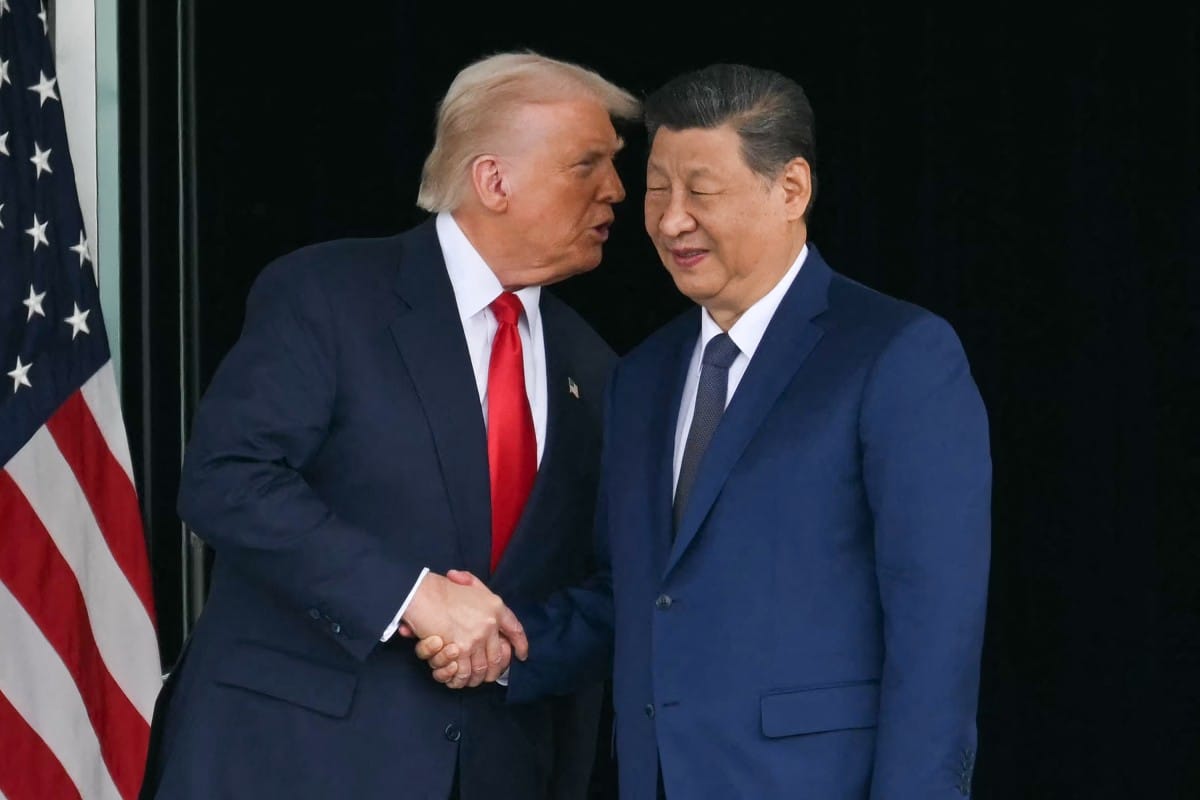
As global tensions rise, Trump and Xi seek a fragile balance
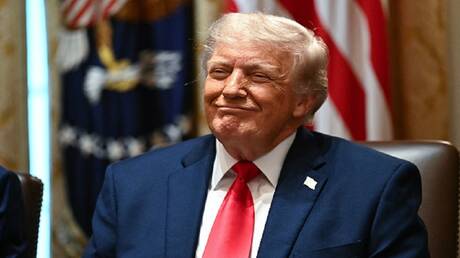
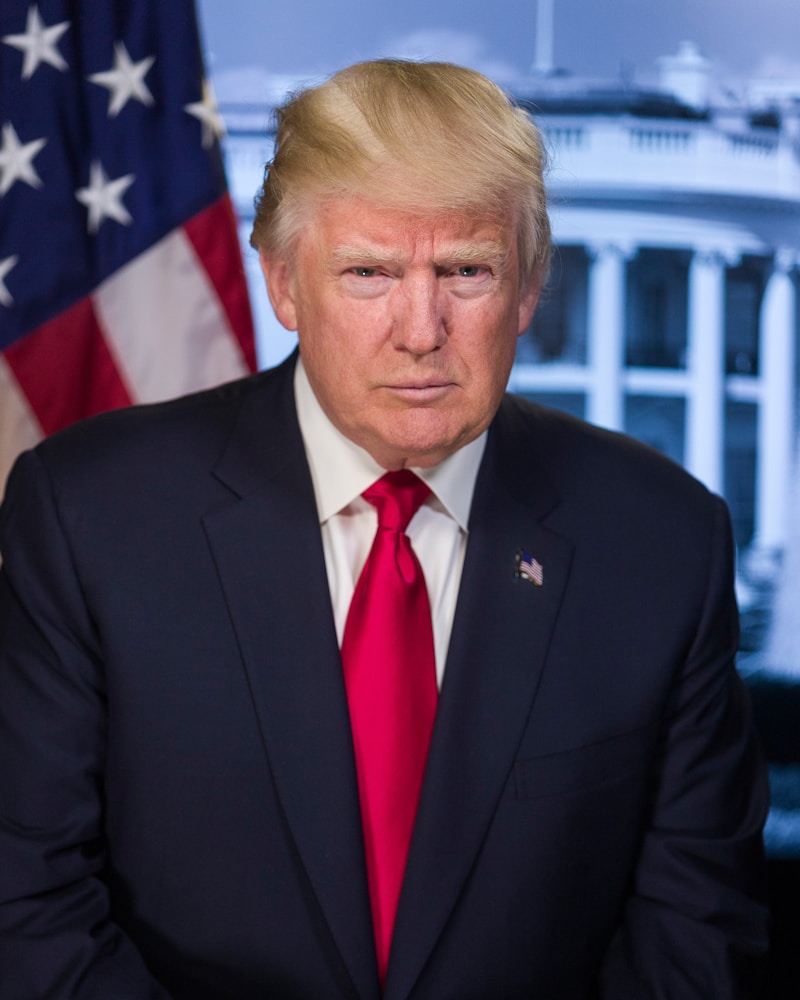
المصدر: Gulf News | Source: Gulf NewsUS President Donald Trump is scheduled to meet Chinese President Xi Jinping in China on May 14-15. This would mark the first visit to China by a US president in nearly 10 years. The visit, originally slated for March 31 but delayed amid the US-Israel war with Iran, is being held amid a shared desire on both sides to stabilise relations. However, it would be a mistake to expect a major breakthrough, particularly given recent indicators suggesting that China has been expanding its toolkit of economic pressure mechanisms against Washington. Nonetheless, the landmark visit remains crucial, as even if they did not transform the relationship between the two major powers, they still, as proven in previous meetings, make the instance of geopolitical rivalry less volatile. This comes at an important time with the US-Israel war against Iran, which is driving energy shocks globally, adding instability to an already fractured international order.
Ahead of Trump’s visit, China is sending a clear message in response to Washington’s trade pressure by adopting new regulations to strengthen its industrial dominance. These measures target foreign companies that comply with US export controls perceived as harmful to Beijing’s interests, as well as companies that shift supply chains outside the country.
New legal and economic framework
In recent months, China has not relied on traditional responses alone, yet it has been building a new legal and economic framework that gives Beijing additional leverage to penalise companies and countries, aiming to counterbalance Washington’s economic pressure. Beijing issued new laws to punish foreign companies that are potentially harming its national interests, including those reducing reliance on China in compliance with US sanctions. Potential penalties include travel bans, investment restrictions, and even asset seizures.
In addition, China also introduced new laws targeting what it calls “Unjustified Extraterritorial Jurisdiction”, referring to instances in which the US imposes its laws on Chinese companies. Penalties in such cases could extend to expulsion or blocklisting. These legal steps come at a crucial time, with geopolitical tensions rising globally, especially in the Middle East, and with US threats to impose new economic sanctions on China over its alleged support for Iran. China seeks to demonstrate that it will not yield to US pressure and will respond forcefully.
Sanctions on refining company
In recent weeks, the Trump administration has intensified scrutiny of China’s relations with Iran. On 24 April, the US Treasury imposed sanctions on one of China’s largest private refining companies in an effort to cut off Tehran’s oil revenues and disrupt networks that help it bypass existing sanctions. In addition, US Treasury Secretary Scott Bessent warned that Chinese banks could also face secondary sanctions if Beijing continues to support revenue flows to the Iranian regime.
In another move escalating tensions, China blocked a $2 billion acquisition bid by Meta for the artificial intelligence startup Manus on April 27, in what appears to be one of Beijing’s most prominent efforts yet to keep advanced technology within its borders.
At this stage, both Washington and Beijing increasingly view economic interdependence as a strategic vulnerability that can be weaponised during geopolitical crises, particularly in the context of the current Iran crisis. As a result, both sides are accelerating efforts to secure critical supply chains in vital sectors such as artificial intelligence, rare earth minerals and energy infrastructure. The US continues to pressure allies to reduce reliance on China’s manufacturing and technology ecosystem, while China has made notable progress in strengthening its industrial self-sufficiency. This shift reflects a broader transition from a model of globalisation driven primarily by efficiency to one centred on economic security, resilience, and geopolitical alignment.
Tariffs on China
The tariffs introduced by President Donald Trump during his first term as a significant tool in Washington’s economic strategy towards China have had an impact beyond their original intent. The tariffs were designed to reduce the US trade deficit, protect domestic industries and pressure China to change its trade and industrial policies. However, today this policy not only sought to rebalance the trade, but it also contributed to a broader slowdown in bilateral commerce, accelerating a gradual economic “decoupling” between the world’s two largest economies. This diminishing trade relationship is expected to form the backdrop to the upcoming Trump-Xi summit, making it difficult to reach any comprehensive agreement between the two leaders amid trade tensions, tariffs and mutual distrust.
The timing of the summit could be a major incentive for the two parties to “manage” their geopolitical competition, as both recognise the need to maintain a minimum level of stability to avoid escalation into a broader crisis, particularly amid rising geopolitical volatility affecting financial stability, food and energy security, and emerging technologies such as artificial intelligence, alongside the regional and global repercussions of the Iran war.
Moreover, the growing degree of economic independence between Washington and Beijing, especially in technology and supply chains, is pushing both sides towards a de-risking approach instead of complete separation. Thus, the summit is unlikely to represent a turning point in bilateral relations; rather, it should be seen as a mechanism for managing equilibrium and preventing further deterioration in an increasingly fragmented and crisis-prone international landscape.
In conclusion, while the upcoming Trump-Xi summit is unlikely to produce a transformative breakthrough, it remains a critical mechanism for navigating an increasingly competitive and fragile bilateral relationship. As global geopolitical tensions intensify, both sides appear focused on containing risks rather than pursuing unattainable solutions on core disputes, aiming instead to preserve a baseline level of stability in a fragmented global order.
Sara Ali Alneyadi is Senior Researcher and Director of Strategic Studies Department at Trends Research & Advisory
ملاحظة تحريرية | Editorial Note: نُشر هذا المقال في الأصل بواسطة Gulf News. خبر (Khabr) هي منصة إعلامية أردنية مرخّصة تعمل بالذكاء الاصطناعي. نضيف قيمة تحريرية من خلال: تحليل ذكي للأخبار، ملخصات تلقائية، رواية صوتية بالذكاء الاصطناعي، ترجمة متعددة اللغات، وتدقيق الحقائق. هدفنا جعل الأخبار أكثر وضوحاً وسهولةً للقارئ العربي.
This article was originally published by Gulf News. Khabr is a licensed Jordanian AI-powered news platform (Registration #82086). We add editorial value through: AI-powered news analysis, automated summaries, AI audio narration, multi-language translation (Arabic, English, French, Turkish), and AI fact-checking. Our mission is to make news more accessible and understandable for Arabic-speaking audiences worldwide.