⚡ عاجل: كريستيانو رونالدو يُتوّج كأفضل لاعب كرة قدم في العالم●⚡ أخبار عاجلة تتابعونها لحظة بلحظة على خبر●⚡ تابعوا آخر المستجدات والأحداث من حول العالم●
AI اقتراحات ذكية
AI مباشر|--مشاهد مباشر
900,996مقال401مصدر نشط228قناة مباشرة5,241خبر اليوم
•SPEAKING at the Woodrow Wilson International Centre in Washington, D.C., in early 2012, Henry Kissinger asserted that, since World War II, the US had entered wars without a clear exit strategy, and of...
•He highlighted the Afghan conflict as an example of a prolonged and unwinnable war.
•At that time, the US, despite being the world’s greatest military power, was bogged down in a conflict that had entered its second decade.
هذا الخبر من Dawn. خبر يقدم أدوات ذكاء اصطناعي للتلخيص والترجمة والاستماع.
SPEAKING at the Woodrow Wilson International Centre in Washington, D.C., in early 2012, Henry Kissinger asserted that, since World War II, the US had entered wars without a clear exit strategy, and often sought a way out shortly after engagement. He highlighted the Afghan conflict as an example of a prolonged and unwinnable war. At that time, the US, despite being the world’s greatest military power, was bogged down in a conflict that had entered its second decade. It took another decade for this war to conclude, resulting in utter humiliation for America, which had faced similar challenges in Vietnam and Iraq.
America’s longest war in Afghanistan was triggered by a desire for revenge for 9/11. Its military intervention in Iraq, meanwhile, was initiated under false pretenses regarding the possession by Iraq of weapons of mass destruction (WMD). From the outset, both conflicts proved unwinnable, yet deception masked the failures. For nearly two decades, American leaders misled the public about the disastrous outcomes of these wars.
Now, just five years after its disgraceful withdrawal from Afghanistan, the US is embroiled in another conflict with Iran, seemingly ignoring past lessons. Similar to the misleading WMD claims used to justify the Iraq invasion, the exaggerated narrative of Iran’s nuclear weapons programme was invoked to launch an attack on the Islamic Republic. However, weeks of relentless bombing failed to weaken Iran’s resolve, and the fragile ceasefire negotiated by President Donald Trump has reached a critical point. America’s continued blockade of Iran’s ports, along with the recent escalation in tensions, has brought both nations perilously close to yet another round of hostilities.
Trump has once again threatened to “erase Iran from the face of the world”. Nevertheless, he is far from winning this asymmetrical conflict. As German Chancellor Friedrich Merz noted with reference to the US: “An entire nation is being humiliated by the Iranian leadership… .” This current conflict, unlike previous ones, carries far greater implications not just for the US but for the rest of the world as well.
The Iran war has exposed the limits of America’s military might.
It raises pressing questions about whether the American president has any viable plan to extricate his country from this catastrophic situation. While Trump claims to hold all the cards, most analysts contend that he possesses no significant leverage in this high-stakes game.
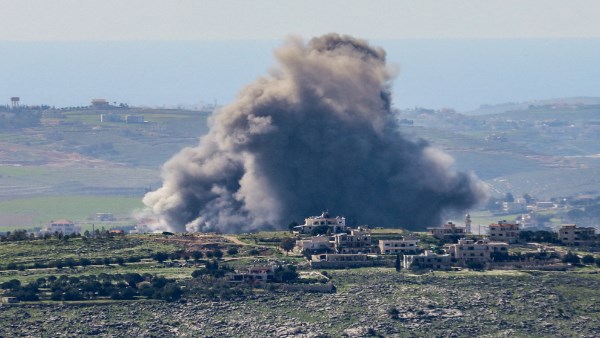
The Iran war has exposed the limits of America’s military might in what has been described as an asymmetrical conflict. Iran’s use of weaponised drones represents a significant aspect of modern warfare, effectively transforming the battlefield against a more powerful adversary. Although Iran’s military installations saw great destruction at the hands of the US-Israel combine, Iran’s inexpensive drones and missiles successfully countered the might of the largest military power in the world.
Despite the extensive destruction caused by the relentless bombings carried out by US-Israel warplanes, Iran has continued the mass production of drones and missiles at a fraction of the cost of the weapons produced by its adversaries. According to the Pentagon, the conflict has significantly depleted US stockpiles of sophisticated missiles, which can take years to replenish. America, reportedly, has already incurred losses of $25 billion in this war.
Meanwhile, with an uninterrupted supply of inexpensive drones, each costing approximately $35,000, Iran continues to dictate the terms in the strategically vital Strait of Hormuz, where the situation is impacting the global economy. No degree of bombing can remove the primary retaliatory weapon at Iran’s disposal. Iran has also been using drones and missiles to target data centres established by American tech companies, leading to massive losses. This is a clever strategy causing maximum damage to the adversary in an asymmetric war.
While America’s ongoing blockade of Iranian ports may increase economic pressure on Iran, the country can still endure a prolonged conflict. Iran still retains the ability to fire drones at passing oil tankers being escorted by US naval forces through the strait and paralyse the global economy. Trump has repeatedly threatened to deploy ground forces; however, this would be a big blunder and result in greater humiliation for American forces than the one they experienced in Vietnam and Afghanistan. Can an increasingly unpopular president afford to take that risk?
America has never been as isolated in a war as it is now, with its Western allies refusing to join what many of them consider to be an illegal conflict. The Iran war appears to have significantly ruptured the America-led world order, and it seems there is no reversing the tide, given the widening cracks in the Western alliance.
Most concerning for the US is increasing public scrutiny regarding Trump’s mental and physical fitness to lead the country during war. The latest Washington Post-ABC News-Ipsos poll indicates that 59 per cent of respondents believe that Trump lacks the mental sharpness required to lead, while 55pc say he’s not fit to serve as president. It is indeed troubling to have an individual with questionable mental acuity at the helm of the world’s most powerful country during a conflict. However, Trump has dismissed these concerns, as well as the adverse impacts of the war on the American and global economy.
Despite these economic concerns, America’s oil companies and military-industrial complex are reaping substantial war profits. American oil companies, in particular, have benefited hugely due to soaring oil prices, with some estimates projecting a windfall of over $60bn for US producers if high crude prices persist. The conflict has caused US crude oil rates to nearly double, rising from $65 a barrel to over $110 within a month. This surge in prices has led to substantial earnings for energy companies, while consumers face higher fuel costs.
Similarly, US arms manufacturers stand to gain significantly from the massive increase in the defence budget and the growing demand for weapons by Middle Eastern countries. Last week, the Trump administration approved an $8.5bn arms sale to Middle Eastern allies to compensate for losses suffered on account of Iranian attacks. While Trump may not be winning this asymmetrical conflict with Iran, which has had a massive impact on the global economy, some American companies are indeed reaping a windfall.
ملاحظة تحريرية | Editorial Note:
نُشر هذا المقال في الأصل بواسطة Dawn.
خبر (Khabr) هي منصة إعلامية أردنية مرخّصة تعمل بالذكاء الاصطناعي.
نضيف قيمة تحريرية من خلال: تحليل ذكي للأخبار، ملخصات تلقائية، رواية صوتية بالذكاء الاصطناعي، ترجمة متعددة اللغات، وتدقيق الحقائق.
هدفنا جعل الأخبار أكثر وضوحاً وسهولةً للقارئ العربي.
This article was originally published by Dawn.
Khabr is a licensed Jordanian AI-powered news platform (Registration #82086).
We add editorial value through: AI-powered news analysis, automated summaries, AI audio narration, multi-language translation (Arabic, English, French, Turkish), and AI fact-checking.
Our mission is to make news more accessible and understandable for Arabic-speaking audiences worldwide.
هذا الخبر ضمن تغطية خبر لقسم سياسة.
نقدّم لك تحليلات ذكية وملخصات يومية لأهم الأخبار من مصادر موثوقة متعددة.
المصدر: Dawn.
يوجد 6 مقالات مرتبطة بهذا الموضوع.
This article is part of Khabr's coverage of Politics.
We provide AI-powered analysis, summaries, and multi-source aggregation to keep you informed.
Source: Dawn.
Tags: war, asymmetrical, conflict.
🍪 نستخدم ملفات تعريف الارتباط لتحسين تجربتك وعرض الإعلانات المخصصة. باستخدامك للموقع، فإنك توافق على سياسة ملفات تعريف الارتباط وسياسة الخصوصية.
We use cookies to enhance your experience and show personalized ads. By using this site, you agree to our Cookie Policy and Privacy Policy.
🔍
FREEFree 1GB Internet + Free International Calls
$1 trial — eSIM in 190+ countries — No roaming charges