Air conditioning could be quietly fuelling a hidden asthma risk, GPs warn
•This summer has delivered successive heatwaves with precious little respite between them, leaving Britons reaching for the air conditioning controls with increasing frequency.While AC units provide we...
•TRENDING Stories Videos Your Say Spending extended periods in air-conditioned spaces can significantly deplete moisture from the skin, according to Dr Baker.Air conditioning tends to remove humid...
•Very occasionally, you might get blurred vision, but that's very rare," says Dr Baker.Contact lens wearers may experience heightened discomfort in these conditions, though Dr Baker suggests that blink...
هذا الخبر من GB News. خبر يقدم أدوات ذكاء اصطناعي للتلخيص والترجمة والاستماع.
المصدر: GB News | Source: GB NewsThis summer has delivered successive heatwaves with precious little respite between them, leaving Britons reaching for the air conditioning controls with increasing frequency.
While AC units provide welcome relief from soaring temperatures, medical experts warn they can produce some rather unexpected consequences for our health.
Dr Opel Baker, a GP at Mayfield Clinic in Brighton & Hove, and Dr Lucy Hooper, a London-based GP and co-founder of Coyne Medical, have shared their insights on these lesser-known side effects.
The doctors have also offered practical advice for minimising these irritating impacts whilst still enjoying the cooling benefits.
TRENDINGStoriesVideosYour Say
Spending extended periods in air-conditioned spaces can significantly deplete moisture from the skin, according to Dr Baker.
Air conditioning tends to remove humidity from the air, which makes us feel cooler, but it can increase the water loss from your skin," he explained.
This moisture depletion can manifest in several uncomfortable ways, including dryness, a sensation of tightness, and visible flaking.
"This can lead to dry skin, tightness, flaking and might even lead to increased sensitivity, eczema or chapped lips," said Dr Baker.
"Those who already struggle with sensitive or dry skin conditions may find their symptoms considerably worsened by prolonged AC exposure.
"Meanwhile, if you are already prone to getting dry or sensitive skin, you might find that air conditioning makes it even worse."
The eyes are similarly vulnerable to the drying effects of air conditioning, with symptoms including burning, stinging, and in rare cases, temporary blurred vision.
LATEST DEVELOPMENTS
- Paralysed man regains movement in arms and hands after brain implant breakthrough
- Two areas in England seeing 'concerning' rise in measles cases, UKHSA warns
- Gym-goer who shed 9st 6lb credits five-move dumbbell routine for arm transformation
"Similarly, air con can dry your eyes out and might lead to burning or stinging. Very occasionally, you might get blurred vision, but that's very rare," says Dr Baker.
Contact lens wearers may experience heightened discomfort in these conditions, though Dr Baker suggests that blinking more frequently can help alleviate symptoms.
The nose and throat, which require moisture to function properly, can also become irritated when exposed to dry air for extended periods.
"Your nose and throat are designed to be kept moist, so if they get dry they can become irritated," explains Dr Baker. "This might lead to a sore throat, a blocked nose or a hoarse voice."
Dr Hooper notes that dried nasal passages and throats impair the body's ability to clear mucus, which forms a crucial part of our immune defences.
Nosebleeds represent another potential consequence, as AC can dry out the mucous membranes inside the nose, making them more susceptible to cracking.
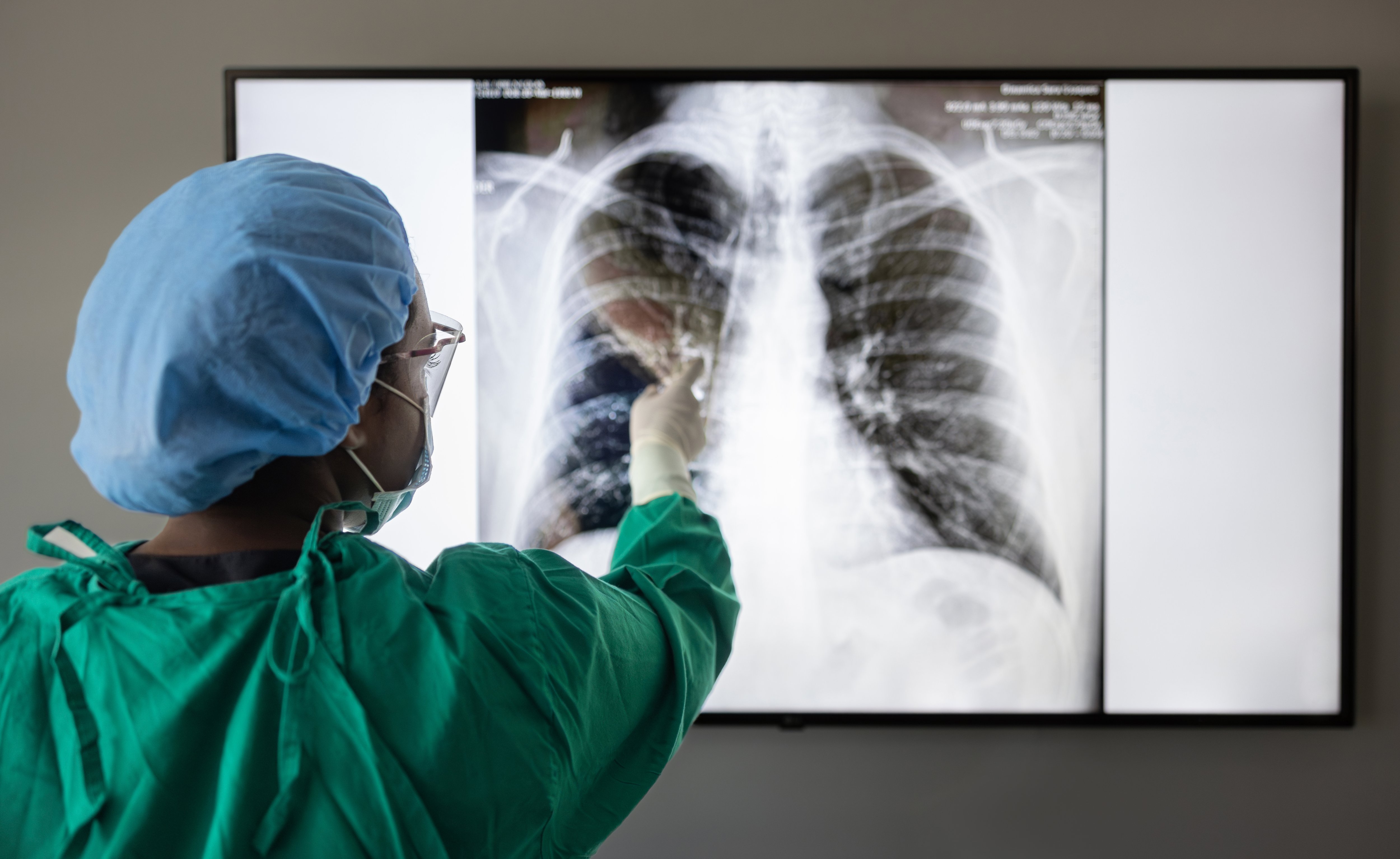
Air conditioning units that are not properly maintained can circulate dust, pollen and mould throughout indoor spaces, potentially triggering respiratory conditions such as asthma.
"If air-conditioning units are poorly maintained, that can increase the circulation of dust, pollen and mould, which can irritate your lungs and may trigger lung conditions like asthma," said Dr Baker.
Dr Hooper warns that such environments can also heighten the risk of respiratory tract infections, which can prove particularly problematic for those with existing lung conditions.
Headaches and body aches are another common complaint among those spending prolonged periods in air-conditioned rooms, such as hotel guests.
"This is because your skin has become dry and you've probably become dehydrated, and the cold airflow might have caused a bit of muscle tension," explained Dr Baker.
Dehydration typically serves as the primary culprit behind these symptoms.
Fortunately, both GPs have offered practical strategies for combating these unwelcome effects whilst still benefiting from cooler temperatures.
"Make sure you drink lots of water and stay hydrated throughout the day," advised Dr Baker.
Applying moisturiser before entering air-conditioned environments can create a protective barrier against moisture loss, with products containing humectants such as glycerin or hyaluronic acid proving particularly effective.
"I would suggest using something which has a nice amount of what we call humectants in. They coat the skin really well and keep it very moist," recommended Dr Hooper.
Investing in a humidifier can help restore moisture to indoor air, while houseplants offer a natural alternative. For those with home units, Dr Baker emphasises the importance of regular servicing and clean filters to prevent the circulation of irritants.
Our Standards: The GB News Editorial Charter


ملاحظة تحريرية | Editorial Note: نُشر هذا المقال في الأصل بواسطة GB News. خبر (Khabr) هي منصة إعلامية أردنية مرخّصة تعمل بالذكاء الاصطناعي. نضيف قيمة تحريرية من خلال: تحليل ذكي للأخبار، ملخصات تلقائية، رواية صوتية بالذكاء الاصطناعي، ترجمة متعددة اللغات، وتدقيق الحقائق. هدفنا جعل الأخبار أكثر وضوحاً وسهولةً للقارئ العربي.
This article was originally published by GB News. Khabr is a licensed Jordanian AI-powered news platform (Registration #82086). We add editorial value through: AI-powered news analysis, automated summaries, AI audio narration, multi-language translation (Arabic, English, French, Turkish), and AI fact-checking. Our mission is to make news more accessible and understandable for Arabic-speaking audiences worldwide.