AIIMS, public health experts back low-sodium salt use, drop table salt to tackle India’s hypertension crisis
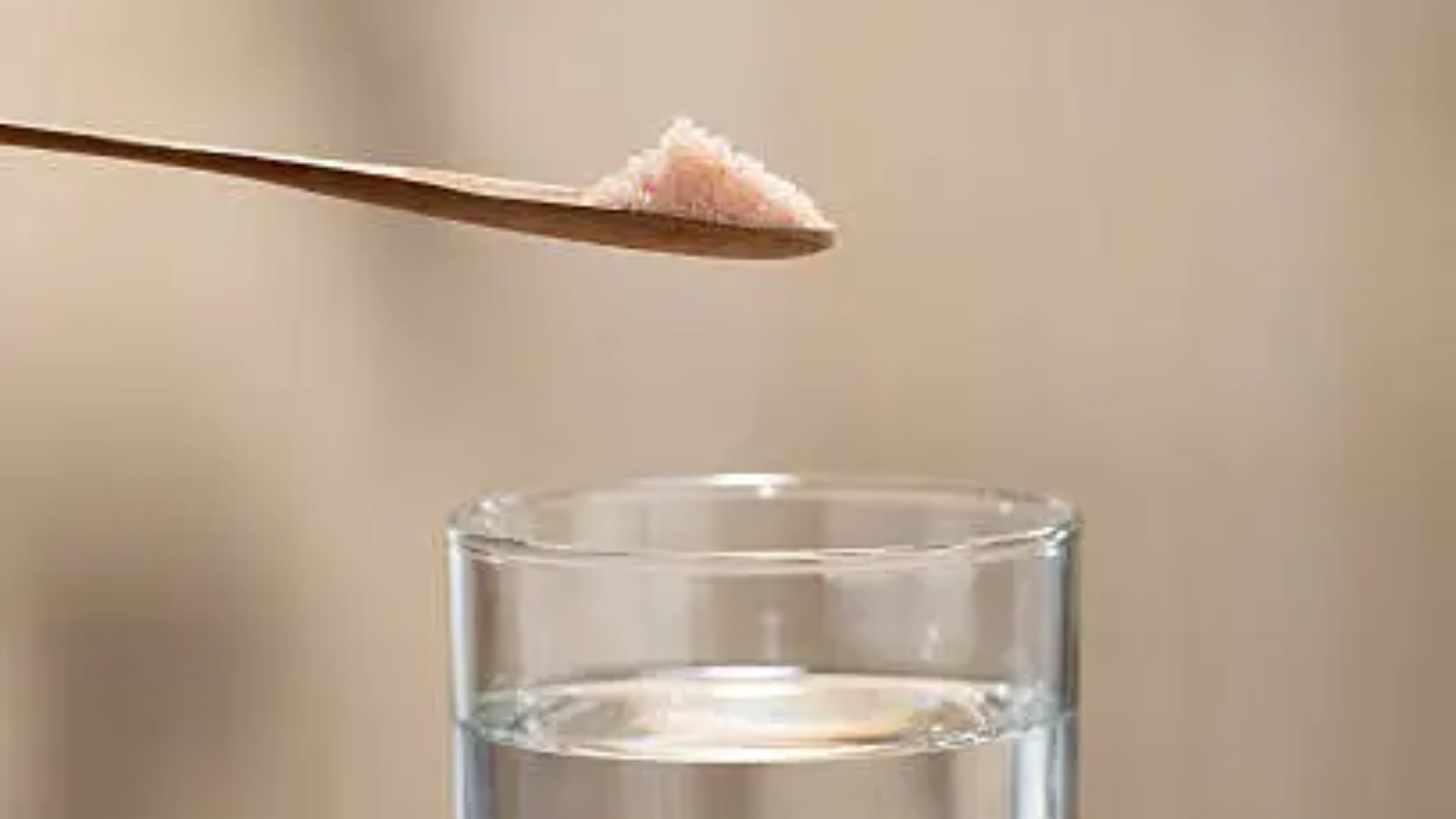
Weather ePaper Today’s Paper Journalism of Courage Home ePaper Politics Explained Opinion India Business Premium Cities UPSC Entertainment Sports World Lifestyle Tech Subscribe Sign In TrendingUPSC OfferIPL 2026US NewsPuzzles & GamesLegal NewsFresh TakeHealthResearch🎙️ Podcast Advertisement function checkAndLoadWindowSizeScript() { if (window.jQuery) { // jQuery is loaded, include your script jQuery(document).ready(function($) { // Your existing script for checking window width if (window.innerWidth) var page_w = window.innerWidth; else if (document.all) var page_w = document.body.clientWidth; if (page_w > 1024) { $(".add-left, .add-right").show(); } else { $(".add-left, .add-right").hide(); } }); } else { // jQuery is not loaded, check again after 0.2 seconds setTimeout(checkAndLoadWindowSizeScript, 200); } } // Initial call to the function checkAndLoadWindowSizeScript(); NewsHealth and WellnessAIIMS, public health experts back low-sodium salt use, drop table salt to tackle India’s hypertension crisis AIIMS, public health experts back low-sodium salt use, drop table salt to tackle India’s hypertension crisis Low-sodium salt substitutes, composed of approximately 70–75% sodium chloride and 25–30% potassium chloride, reduce sodium intake while increasing potassium consumption, thereby helping to lower blood pressure By: Express News Service4 min readNewdelhiApr 20, 2026 07:04 AM IST With Indians consuming double the WHO-recommended salt limit, health experts are urging a shift to potassium-enriched substitutes to lower blood pressure and combat rising heart disease without changing dietary habits. (Representative Image) Make us preferred source on Google Whatsapp twitter Facebook Reddit PRINT For many Indian households, salt is a daily essential, added to everything from dal to sabzi without much thought. Current estimates show that Indians consume between 8 to 11 grams of salt (equivalent to 3.2–4.4 grams of sodium) per day, nearly double the WHO’s recommended limit of 5 grams (2 grams of sodium). Excess salt intake is a major contributor to hypertension, which in turn raises the risk of cardiovascular disease, one of the leading causes of death in India. Now, a group of leading experts in clinical medicine, public health, and nutrition is highlighting a simple but powerful solution: switching to potassium-enriched low-sodium salt substitutes. These salts contain less sodium and more potassium, helping to lower blood pressure without requiring major changes in eating habits. High sodium intake is a key driver of elevated blood pressure, while potassium plays a complementary role by helping counteract sodium’s effects—yet potassium intake in India remains below optimal levels. With nearly 80% of sodium intake in India coming from salt added during cooking at homes, experts emphasised reducing salt use here can have the greatest impact. Low-sodium salt substitutes, composed of approximately 70–75% sodium chloride and 25–30% potassium chloride, reduce sodium intake while increasing potassium consumption, thereby helping to lower blood pressure and reduce cardiovascular risk. Prof Ambuj Roy, Department of Cardiology, AIIMS, New Delhi, said, “While we have enough scientific data supporting the benefits of low-sodium salt substitutes, the evidence-to-action gap must be closed by treating LSSS as a ‘dietary vaccine’ to treat hypertension. It is the ‘low-hanging fruit’ of cardiology, a passive intervention that provides 24/7 cardiovascular protection without requiring patients to actually sacrifice the taste of their traditional diet.” Prof Vivekanand Jha, Executive Director of The George Institute for Global Health India, highlighted the strength of the evidence supporting LSSS’s role in reducing adverse cardiovascular disease outcomes. He said, “High-quality research shows India’s high sodium and low potassium intake is a key driver of hypertension and cardiovascular disease. Low-sodium salt substitutes address both. With no change in taste and appropriate safeguards, this is a safe, scalable solution for India’s NCD prevention strategy.” Dr Meenakshi Sharma, formerly scientist G,NCD Division, ICMR, said, “To effectively scale low-sodium salt substitutes (LSSS) in India, there is a need for dedicated trials in high-risk populations, alongside modelling studies to assess their benefits, risks and trade-offs across diverse groups. Cluster trials and qualitative research can further help evaluate different delivery approaches.” A randomized controlled trial in rural India (2021) involving adults with hypertension demonstrated a 4.6 mm Hg reduction in systolic blood pressure among those using potassium enriched LSSS. A large-scale cluster randomized trial in China (with 21,000 participants and over five years) showed significant reductions in stroke (14%), major cardiovascular events (13%), and overall mortality (12%) among individuals using potassium enriched LSSS. Modelling studies estimate that nationwide adoption of LSSS in India could prevent 8–14% of cardiovascular deaths annually, highlighting its population-level impact. Experts noted that potassium is safe for most people, including many with early-stage kidney disease, and that caution is primarily necessary for individuals with advanced stages of kidney disease or when potassium levels are already high. Dr Sandeep Mahajan, Professor, Nephrology, AIIMS, New Delhi, said, “The potential risks of low-sodium salt substitutes are often overstated relative to their population-level benefits. While a small subset of patients — particularly those with advanced kidney disease or on specific medications — require caution, this group is clearly identifiable and can be guided through simple screening and labelling measures. With clear advisories and better awareness, nearly 90% of the population can safely benefit from this intervention. What we need to address now is therapeutic inertia, both among clinicians and the public, to enable wider adoption of this effective strategy for reducing cardiovascular risk.” Can potassium salts be part of feeding programmes? Dr Sailesh Mohan, Deputy Director, Centre for Chronic Disease Control, Delhi, suggests that governments should support public procurement for school mid-day meals, ICDS, PDS rations, hospital kitchens, railways, and large institutional canteens to build volume and normalise use. “Food industry reformulation policies should require partial replacement of sodium chloride with potassium salts in packaged foods and restaurant meals, especially in high-salt categories such as snacks, instant mixes, and condiments,” he said.المصدر: Indian Express | Source: Indian Express
ملاحظة تحريرية | Editorial Note: نُشر هذا المقال في الأصل بواسطة Indian Express. خبر (Khabr) هي منصة إعلامية أردنية مرخّصة تعمل بالذكاء الاصطناعي. نضيف قيمة تحريرية من خلال: تحليل ذكي للأخبار، ملخصات تلقائية، رواية صوتية بالذكاء الاصطناعي، ترجمة متعددة اللغات، وتدقيق الحقائق. هدفنا جعل الأخبار أكثر وضوحاً وسهولةً للقارئ العربي.
This article was originally published by Indian Express. Khabr is a licensed Jordanian AI-powered news platform (Registration #82086). We add editorial value through: AI-powered news analysis, automated summaries, AI audio narration, multi-language translation (Arabic, English, French, Turkish), and AI fact-checking. Our mission is to make news more accessible and understandable for Arabic-speaking audiences worldwide.