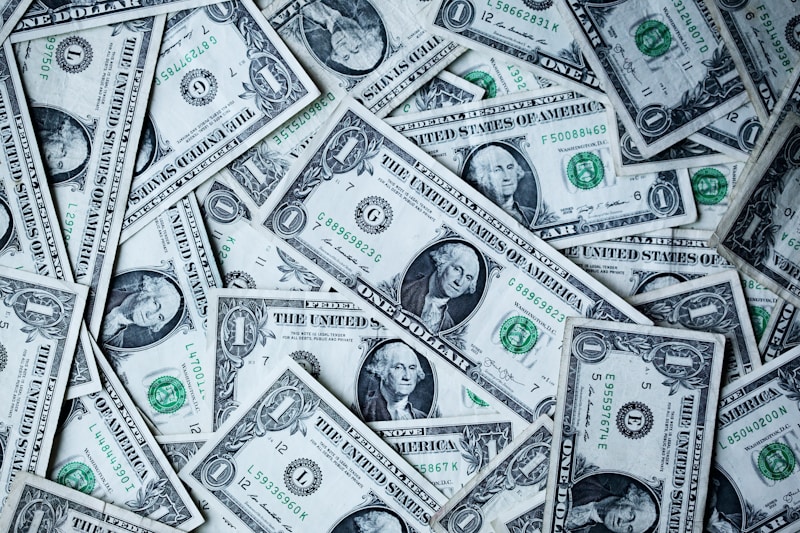
A Weak Dollar Subsidy That The U.S. Oil Industry Can’t Compete Without
•BusinessPolicyA Weak Dollar Subsidy That The U.S.
•Oil Industry Can’t Compete WithoutByJohn Tamny,Contributor.Follow AuthorMay 28, 2026, 11:00am EDTROBINSON TOWNSHIP, PENNSYLVANIA - OCTOBER 26: A hydro-fracking drilling pad for oil and gas operates Oc...
•The Kendal well pad is using a horizontal drilling technique for extracting oil and gas in the extensive Marcellus shale formation.
هذا الخبر من Forbes Business. خبر يقدم أدوات ذكاء اصطناعي للتلخيص والترجمة والاستماع.
ملاحظة تحريرية | Editorial Note: نُشر هذا المقال في الأصل بواسطة Forbes Business. خبر (Khabr) هي منصة إعلامية أردنية مرخّصة تعمل بالذكاء الاصطناعي. نضيف قيمة تحريرية من خلال: تحليل ذكي للأخبار، ملخصات تلقائية، رواية صوتية بالذكاء الاصطناعي، ترجمة متعددة اللغات، وتدقيق الحقائق. هدفنا جعل الأخبار أكثر وضوحاً وسهولةً للقارئ العربي.
This article was originally published by Forbes Business. Khabr is a licensed Jordanian AI-powered news platform (Registration #82086). We add editorial value through: AI-powered news analysis, automated summaries, AI audio narration, multi-language translation (Arabic, English, French, Turkish), and AI fact-checking. Our mission is to make news more accessible and understandable for Arabic-speaking audiences worldwide.