⚡ عاجل: كريستيانو رونالدو يُتوّج كأفضل لاعب كرة قدم في العالم●⚡ أخبار عاجلة تتابعونها لحظة بلحظة على خبر●⚡ تابعوا آخر المستجدات والأحداث من حول العالم●
AI اقتراحات ذكية
AI مباشر|--مشاهد مباشر
858,840مقال404مصدر نشط228قناة مباشرة5,809خبر اليوم
آخر تحديث:منذ 0 ثانية
A dangerous dam-building race is threatening South Asia’s shared rivers
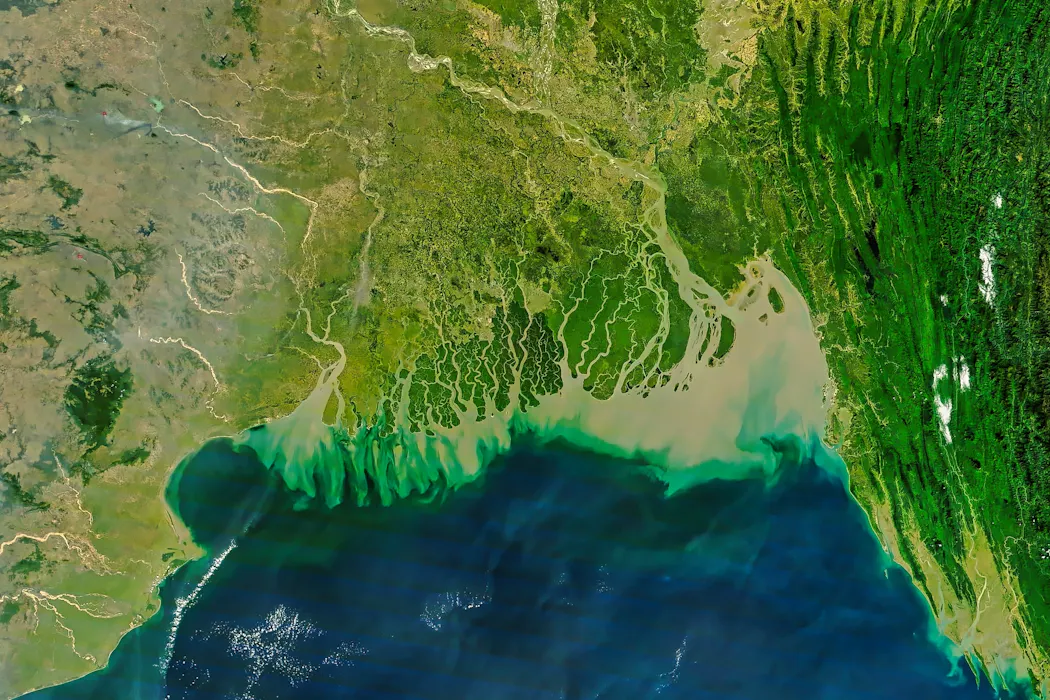
Bangladesh's many rivers.Best-Backgrounds / Shutterstock
Bangladesh has just approved one of the largest river engineering projects its history: the Padma Barrage, a vast river-control project intended to restore water in the country’s drought-prone southwest.
It comes at a dangerous moment for South Asia’s rivers. China is building the world’s largest hydropower dam upstream on the Brahmaputra, India is accelerating its own dam-building programme, and the treaty governing Ganges water-sharing between India and Bangladesh expires in December 2026.
Rather than easing regional water insecurity, the Padma Barrage risks adding to a cycle of unilateral river engineering across the subcontinent. South Asia is entering a regional dam-building race – without the institutions needed to share its rivers.
Bangladesh’s water crisis
Supporters say the barrage is a pragmatic response to chronic water insecurity in Bangladesh. The country sits at the end of the vast Ganges-Brahmaputra river system, where rivers that originate in the Himalayas spread into thousands of channels before they reach the sea. Despite all this water, the main river channels are drying up in summer and some smaller rivers are disappearing rapidly.
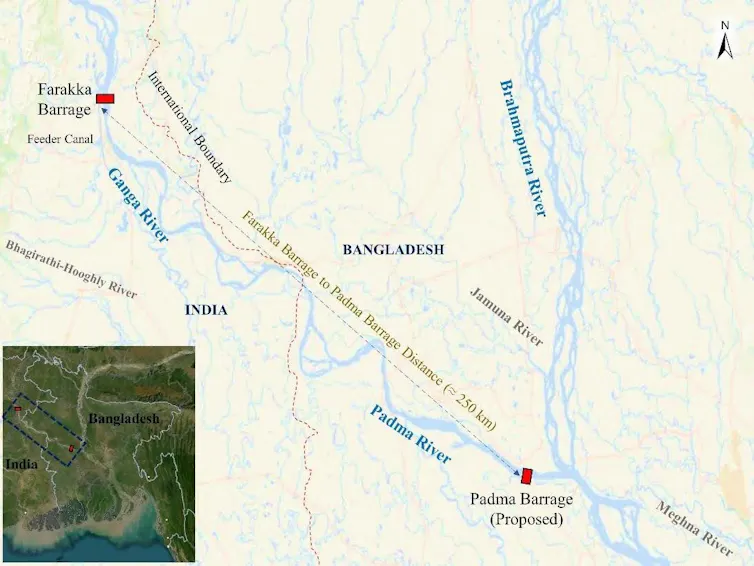
The Farakka Barrage in India, and the proposed Padma Barrage downstream.Mehebub Sahana
Bangladesh did not create this problem alone. Since the 1970s, the Farakka Barrage, built across the Ganges upstream in India, has diverted water towards the huge city of Kolkata to flush sediment away from its port.
The consequences for Bangladesh are well documented. Its rivers have dried up and become less navigable. They have also become saltier, groundwater levels have declined, and severe riverbank erosion has occurred.
Farming has become more difficult and fish stocks have declined. These environmental pressures have forced many people to migrate out of the country.
Most critically, the reduced flow of freshwater has harmed the Sundarbans — the world’s largest mangrove forest, shared between Bangladesh and India. There, elevated salinity has caused widespread “top dying” among mangrove trees and significant biodiversity loss.
The promise – and risks – of Padma Barrage
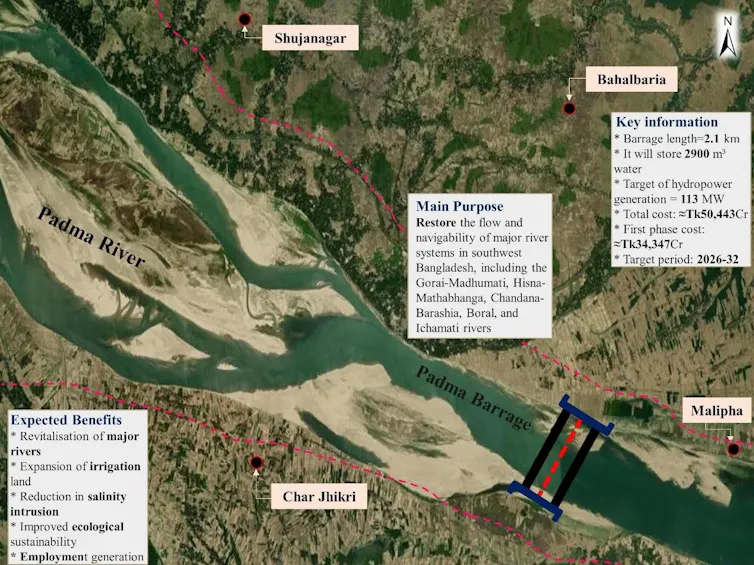
When complete, the centrepiece of the Padma Barrage will be a huge dam more than two kilometres long. It is designed to store water during the monsoon season and release it in the drier months, helping reduce salinity intrusion by maintaining freshwater flows and pushing saline water further downstream during the dry season.
In theory, the barrage will revive a host of smaller rivers in western Bangladesh. The government claims it will support irrigation across much of the country, while increasing rice and fish production.
The proposed Padma Barrage will span the Ganges river system’s largest channel in Bangladesh.Mehebub Sahana
The most immediate relates to silt, because the Ganges is an exceptionally sediment-heavy river. A dam or barrage causes the river water to lose speed and the energy required to carry sediment, which is dumped upstream.
This is already a severe problem upstream of the Farakka Barrage. More than a million people have been displaced from riverbank communities over the past three decades, as banks have been eroded and floods have become more intense.
Constructing a second major barrier downstream – the Padma Barrage – risks compounding these effects, potentially trapping additional sediment loads between the two structures and intensifying flooding pressure.
The consequences downstream could be equally serious. The diversion of water into southwestern river channels — the stated objective of the project — implies reduced flows in the main river systems. If these flows aren’t strong enough to push back salty tidal waters, then parts of coastal Bangladesh, rather than benefiting from improved water security, could face accelerating salinisation.
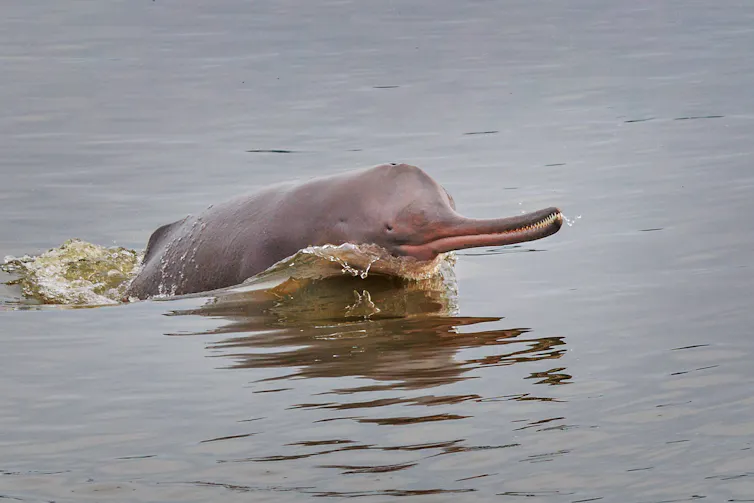
The Ganges river dolphin is already endangered. Ecologists worry the new barrage may cause it to disappear from lower parts of the river system.BaishyaJ / shutterstock
There is a deeper irony here. Bangladesh is responding to the damage caused by India’s Farakka Barrage with a major barrage of its own.
Farakka was built to solve an economic problem upstream, but imposed major environmental costs downstream in Bangladesh. Those economic problems are still unsolved – Kolkata port still suffers from silt and needs constant dredging.
Critics fear the Padma Barrage could reproduce the same pattern: large environmental disruption without the promised benefits. In other words, the same engineering approach that damaged Bangladesh may soon be reproduced within that country.
A regional struggle over rivers
The project also depends on sufficient water continuing to flow into Bangladesh. But China damming the Brahmaputra – alongside planned hydropower projects across India, including plans to link its major rivers – could significantly reduce the volume of water entering Bangladesh in future. If that happens, the Padma Barrage may not have enough water to work as intended.
The timing also matters. The 1996 Ganges Water Sharing Treaty between India and Bangladesh expires in December 2026, and governs the same flows the Padma Barrage is designed to manage. Rather than strengthening Bangladesh’s position ahead of treaty talks, the project could weaken its case for demanding more water from India by signalling that it can cope with reduced flows.
Several rivers that the barrage aims to revive flow through both India and Bangladesh, meaning restoration will require cooperation between the two countries, rather than infrastructure alone.
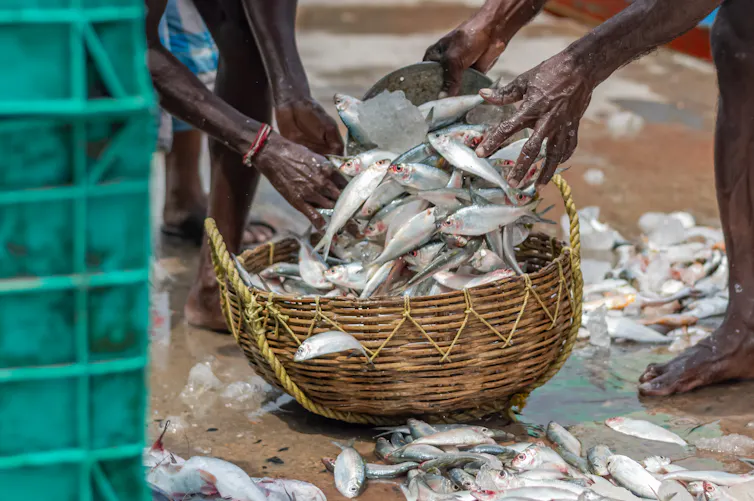
Hilsa, Bangladesh’s national fish, contributes around 1% of the country’s GDP. The Farakka Barrage caused a permanent shift in this fish population, and there are worries the Padma Barrage could have a similar effect.Sudip Adhikary / shutterstock
That makes Bangladesh’s 2025 accession to the UN Watercourses Convention particularly significant. As the first South Asian country to join the treaty, Bangladesh now has a stronger legal basis to push for more equitable water-sharing, particularly as the Ganges treaty negotiations approach.
Dams cannot replace diplomacy
The Padma Barrage is not an inherently misconceived project. Bangladesh’s water crisis is real, and the political pressure to respond is genuine.
But without renewed water-sharing agreements and stronger cooperation with neighbouring countries, this new barrage risks repeating the pattern of unilateral river engineering that has already destabilised South Asia’s waterways.
Infrastructure that outpaces diplomacy is a familiar reason for failure in the region. The challenge for Bangladesh is to ensure the barrage becomes part of a strong legal and diplomatic framework for river cooperation – not another step in an escalating cycle of hydropolitical competition.
Mehebub Sahana is currently working at The University of Manchester. He receives funding from the Leverhulme Trust.
Bayes Ahmed receives funding from the British Academy.
ملاحظة تحريرية | Editorial Note:
نُشر هذا المقال في الأصل بواسطة ذا كونفرسيشن.
خبر (Khabr) هي منصة إعلامية أردنية مرخّصة تعمل بالذكاء الاصطناعي.
نضيف قيمة تحريرية من خلال: تحليل ذكي للأخبار، ملخصات تلقائية، رواية صوتية بالذكاء الاصطناعي، ترجمة متعددة اللغات، وتدقيق الحقائق.
هدفنا جعل الأخبار أكثر وضوحاً وسهولةً للقارئ العربي.
This article was originally published by ذا كونفرسيشن.
Khabr is a licensed Jordanian AI-powered news platform (Registration #82086).
We add editorial value through: AI-powered news analysis, automated summaries, AI audio narration, multi-language translation (Arabic, English, French, Turkish), and AI fact-checking.
Our mission is to make news more accessible and understandable for Arabic-speaking audiences worldwide.
هذا الخبر ضمن تغطية خبر لقسم العالم.
نقدّم لك تحليلات ذكية وملخصات يومية لأهم الأخبار من مصادر موثوقة متعددة.
المصدر: ذا كونفرسيشن.
يوجد 6 مقالات مرتبطة بهذا الموضوع.
This article is part of Khabr's coverage of World.
We provide AI-powered analysis, summaries, and multi-source aggregation to keep you informed.
Source: ذا كونفرسيشن.
🍪 نستخدم ملفات تعريف الارتباط لتحسين تجربتك وعرض الإعلانات المخصصة. باستخدامك للموقع، فإنك توافق على سياسة ملفات تعريف الارتباط وسياسة الخصوصية.
We use cookies to enhance your experience and show personalized ads. By using this site, you agree to our Cookie Policy and Privacy Policy.
FREEFree 1GB Internet + Free International Calls
$1 trial — eSIM in 190+ countries — No roaming charges