Graceful, fearsome, and powerful, the majestic tiger may not be the “king of the jungle” but perhaps should enjoy the position of queen. So to have 72 of these beautiful creatures succumb to a completely preventable disease whilst in the supposed care of humans is nothing short of a travesty. Though perhaps the real travesty lies in the fact that these wild animals have been kept as sideshow entertainment for naïve and irresponsible tourists for far too long. Sadly, this is not the first incidence of large-scale fatalities of captive tigers, and unless we wake up to the inherent cruelty in this form of entertainment, it is likely to happen again.
The Real Price of the Ultimate Selfie
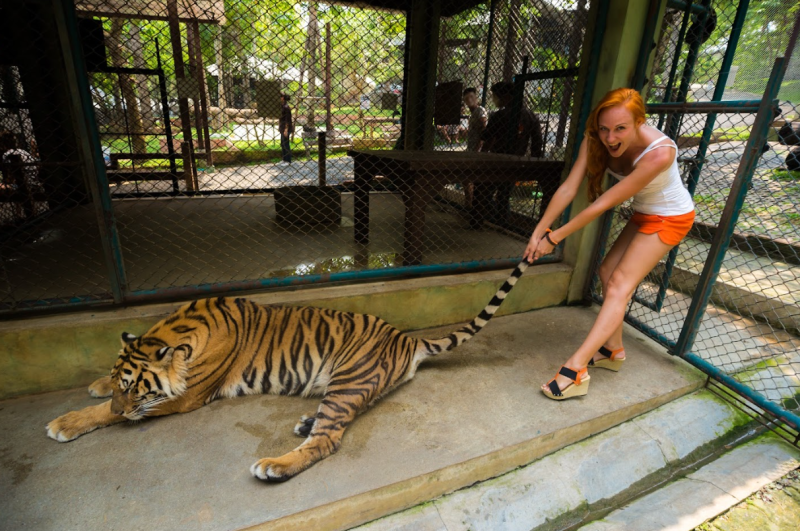
For years, a major draw for many visitors to the beautiful and exotic nation of Thailand has been the chance to have an up-close and personal encounter with a full-grown tiger. There are very few places in the world where you can sit with, pose with, or pet these magnificent big cats, and far too many people are willing to look the other way when it comes to the harsh realities of how these animals are kept to obtain the ultimate selfie. But it’s time we open our eyes, stop declaring our love for tigers, and start doing something to protect them.
At the end of February, officials from Thailand’s Tiger Kingdom in Chiang Mai reported that 72 of their captive tigers across their two facilities, Mae Rim and Mae Taeng, had died.1 Initially, there were concerns about a potential avian influenza outbreak, but post-mortem examinations revealed the cause of death to be infection with Canine Distemper Virus (CDV), complicated by the bacteria Mycoplasma. Despite its name, CDV can infect a range of species, and is typically included in zoo vaccination protocols for tigers and other animals2. The fact that the overall health of the tigers has been severely compromised due to the high level of inbreeding is undoubtedly also a factor, just as it was in 2019 when 86 tigers that had been seized by the Thai government from the controversial tourist trap Tiger Temple also succumbed to the deadly combination of CDV and mycoplasma.
Big Cats in Captivity
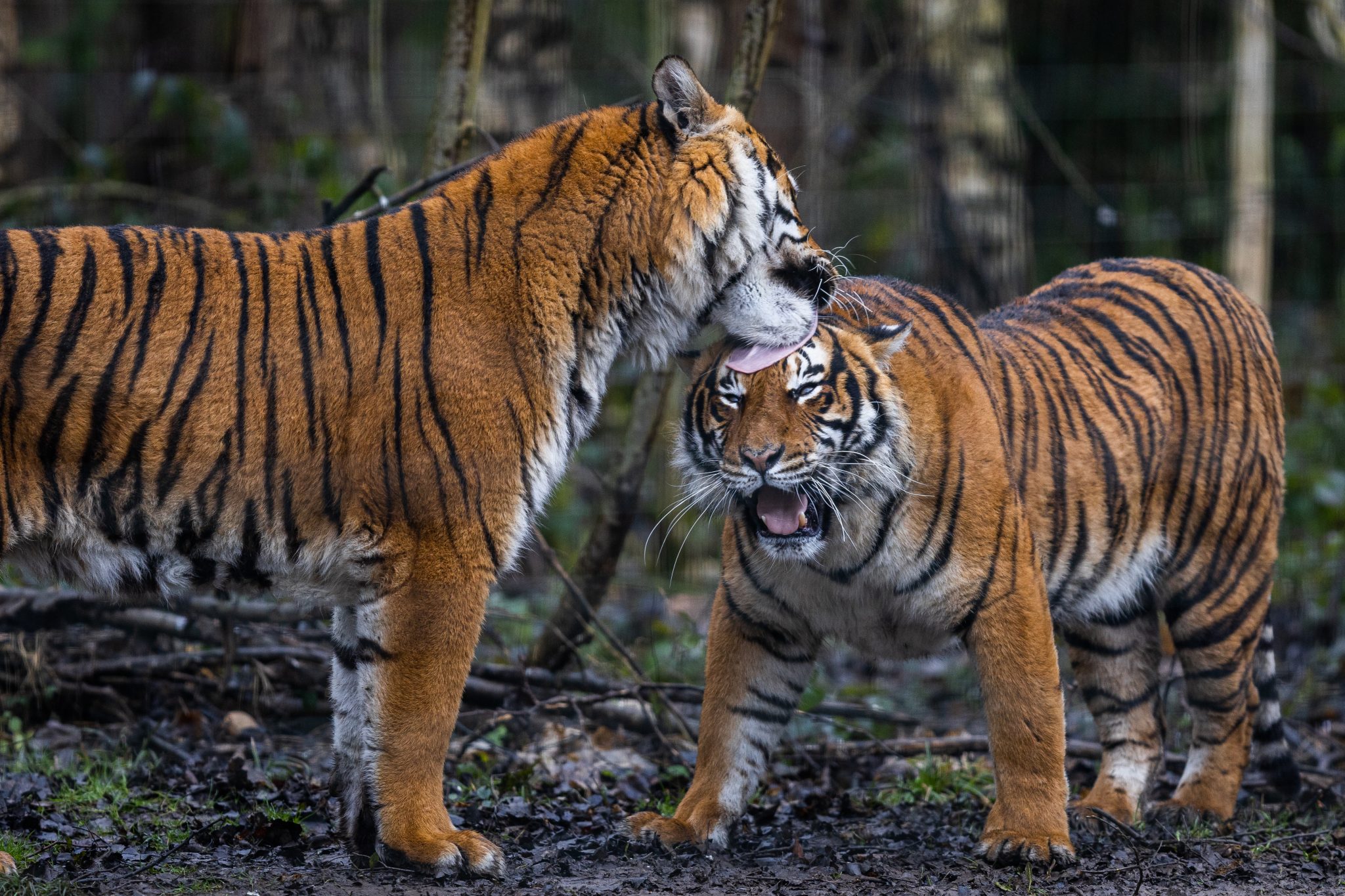
The keeping of wild animals like the tiger in captivity is often viewed as something of a necessary evil. Zoological specimens act as both a genetic reservoir for a species under constant threat of poaching and habitat loss, whilst also acting as ambassadors for the plight of the species and those that share their habitat. However, there is a not-so-fine line between maintaining captive tigers in enclosures that are designed for enrichment and parading them out for the entertainment of tourists.
It has long been speculated that the big cats in facilities like those at Tiger Kingdom and Tiger Temple are kept chemically sedated to ensure their submission and the safety of the hordes of people that visit daily. Even tigers that have been born into captivity and hand-reared by humans are very rarely considered safe, particularly not with strangers, and it is therefore only logical that these tourist-friendly tigers must be under an immense amount of oppression or sedation or both. Although this has been adamantly denied by officials, myriad anecdotal reports suggest otherwise. Equally concerning is the report that the remaining tigers are only now being administered CDV vaccinations as a precaution. Talk about shutting the gate after the horse has already bolted!
How has this been allowed to happen? Why are hundreds of tigers, a species whose wild territories span hundreds of miles, being kept sedated in cramped facilities, with inadequate health provisions? The answer is simple: supply and demand. Just as the illegal poaching of critically endangered animals will continue as long as there are people willing to purchase the ill-gotten wares, whilst tourists continue to turn up in droves for their close encounter with these broken big cats, there are organizations happy to take their money.
Information Is Power
What can you do? Spread the word, tell your friends, tell your family, tell a stranger. Resist the temptation for a photo op with an animal you wouldn’t dare approach in the wild. Do not finance attractions and organizations that force the animals in their care into completely unnatural interactions purely for profit. Instead, look into ecotourism options that prioritise the protection and conservation of tigers and their habitat, and enjoy the magic of seeing one of these incredible cats in their natural environment. And if you’re desperate to get up close and personal with a tiger? You can always adopt a domestic feline that resembles one!
Feature Image Credit: Alexander Gorban, Shutterstock
Did You Know?